News
-
07-02 2026
Global Collaboration Opportunity: Advancing the Future of Electric Reefer Unit Technology
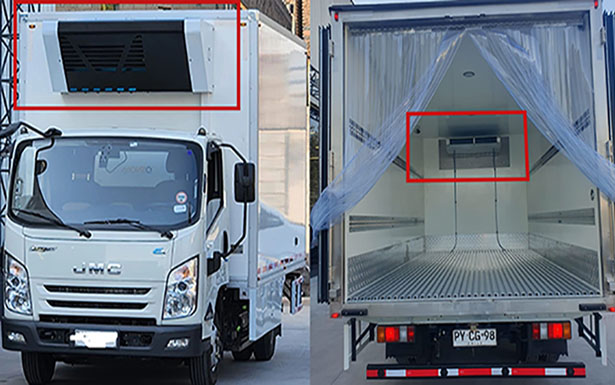
48V All-Electric Truck Refrigeration Unit. Deliver strong, reliable cooling with zero drain on your EV's main battery.Cut fuel costs, reduce maintenance, and operate emission-free for significant long-term savings.
-
07-01 2026
Fully Electric Cooling Units Accelerate the Shift Toward Sustainable Cold Chain Logistics
As the global logistics industry continues to embrace electrification, fully electric cooling units are becoming an increasingly important solution for temperature-controlled transportation. Driven by the rapid growth of electric commercial vehicles and stricter environmental regulations, fleet operators are investing in advanced refrigeration technologies that reduce emissions while maintaining reliable cold chain performance.
-
07-01 2026
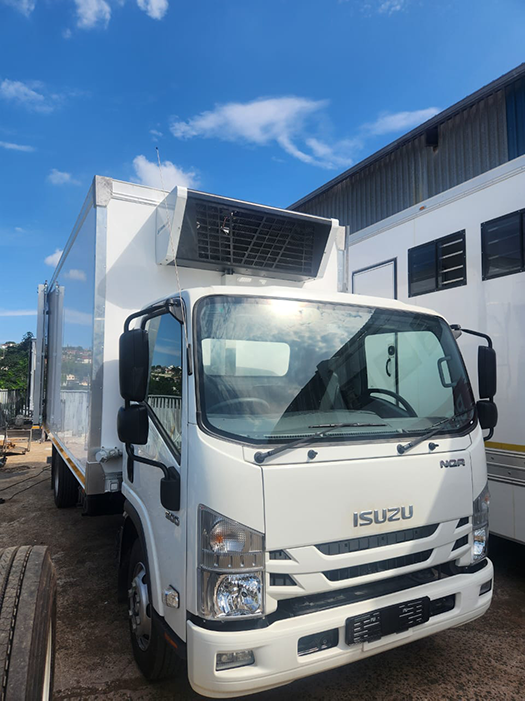
Rapid Adoption of All-Electric Refrigeration Units for Box Trucks: Cold Chain Logistics Enters a New Era of Green Intelligence
Driven by the steady advancement of "dual carbon" goals and the continued implementation of policies supporting new energy commercial vehicles, all-electric refrigeration units for box trucks are transitioning from concept to large-scale application, serving as a core driver for the transformation and upgrading of the cold chain logistics industry. Recently, numerous companies have launched new all-electric refrigeration units, making significant strides in everything from technological breakthroughs to scenario-specific adaptability; this signals a rapid acceleration in the cold chain logistics sector's shift toward a green and intelligent future. The trend toward the widespread adoption of these units is profoundly reshaping the landscape of cold chain transport equipment.
-
06-30 2026
DC Electric Air Conditioning for Ambulances: Technological Innovation Empowering Pre-hospital Emergency Care
Within emergency medical service systems, ambulances have long transcended the role of mere "transport vehicles," evolving into "mobile emergency rooms" that integrate patient monitoring, life-saving interventions, and transport. This functional upgrade imposes rigorous demands on the vehicle's internal environment; factors such as temperature, humidity, air cleanliness, and even noise levels directly impact the stability of critically ill patients' vital signs and the operational efficiency of medical personnel. In recent years, the rapid adoption of DC electric air conditioning systems has emerged as a key technological driver, enabling ambulances to transition from simply meeting hardware standards to providing a "healing environment."
-
06-30 2026
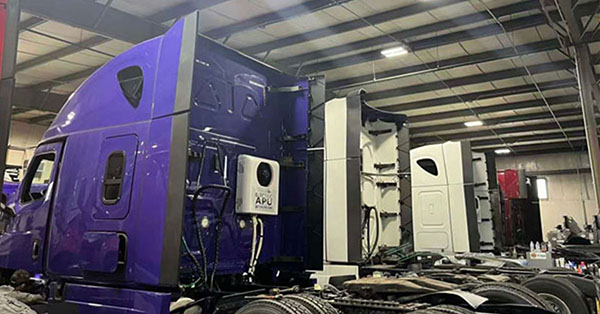
Electric APU for Trucks: A New Era of Idle-Free Cooling in North America
In the fast-changing landscape of long-haul trucking, energy efficiency and environmental compliance are becoming central concerns for fleet operators and independent drivers alike. One of the most notable innovations addressing these challenges is the Electric Auxiliary Power Unit (APU) for trucks, a battery-driven climate control solution designed to replace traditional diesel-powered systems. A leading example of this technology is the electric APU system developed for the U.S. market by Corunclima, which is reshaping how drivers manage in-cab comfort during rest periods.
-
06-29 2026
Rapid Technological Evolution of Electric Truck Refrigeration Units: Cold Chain Logistics Enters a New Era of Green Intelligence
As the global push for carbon neutrality accelerates and demand for fresh food e-commerce and pharmaceutical cold chain logistics rises, electric truck refrigeration units are evolving from mere "accessories" of traditional fuel-powered trucks into a core competitive arena within the new energy commercial vehicle sector. Recent breakthroughs in intelligent control, high-efficiency compression technology, and eco-friendly refrigerants signal a period of rapid technological upgrading for this market segment.
-
06-29 2026
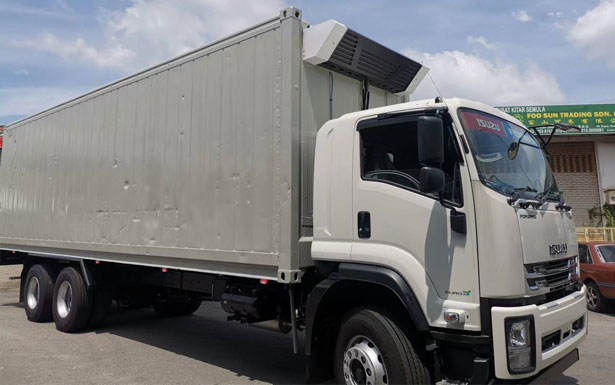
Transport Refrigeration for Long-Distance Logistics: Enabling a Reliable Cold Chain on the Road
In today’s global logistics landscape, long-distance transport refrigeration has become a critical backbone of the cold chain industry. From fresh produce and pharmaceuticals to frozen foods and specialty chemicals, maintaining a stable temperature during extended road transport is essential to preserving product quality, safety, and regulatory compliance.
-
06-26 2026
Refrigeration Systems for Electric Box Trucks Accelerate into a New Era of Green Intelligence
Driven by the dual forces of the "Dual Carbon" goals and the rapid expansion of cold chain logistics demand, the industry for electric box truck refrigeration systems is undergoing a profound transformation. This year, the sector has witnessed a simultaneous surge in technological innovation and market adoption. Efficiency, intelligence, and sustainability have become the core themes across the entire value chain, as the "cold power" of new energy refrigerated trucks redefines the future landscape of urban distribution and short-haul cold chain transport.
-
06-26 2026
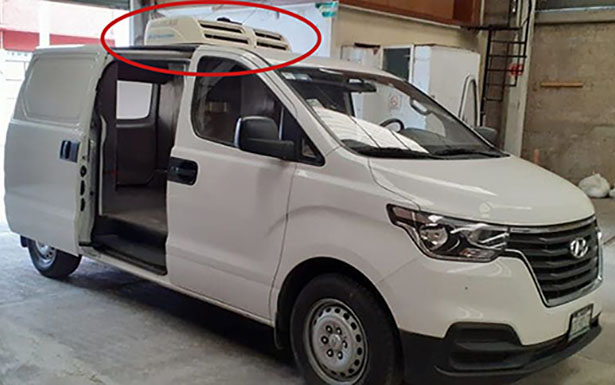
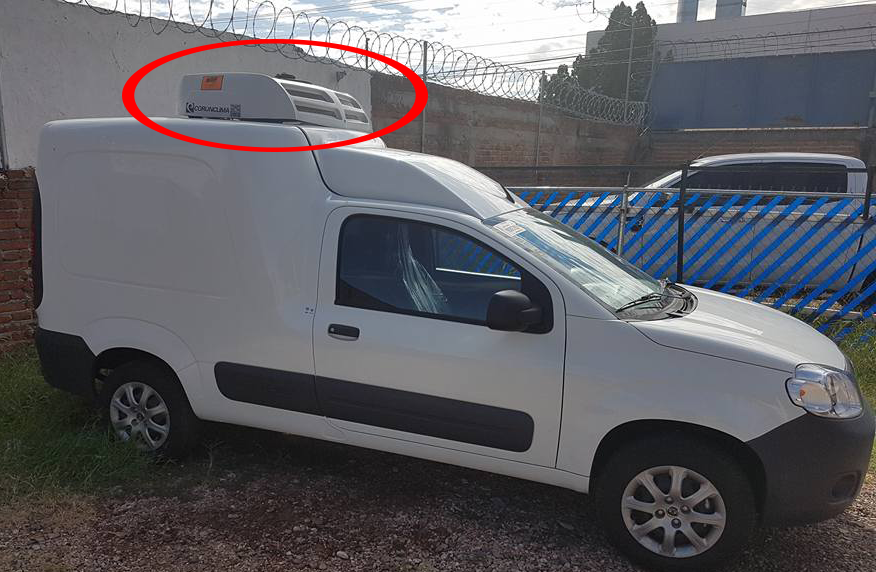
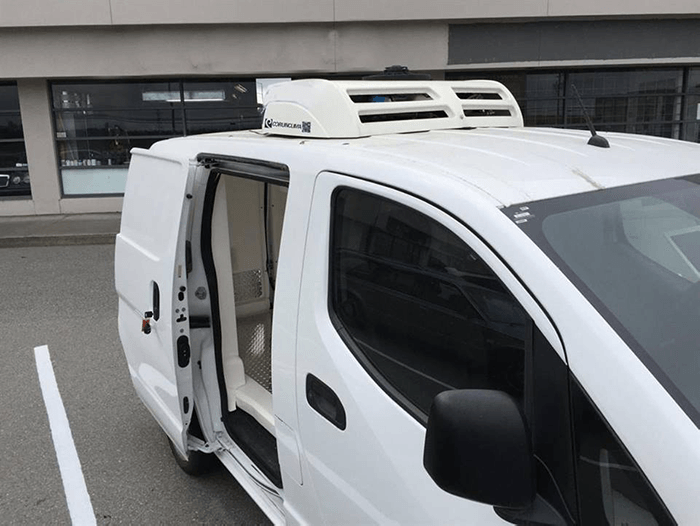
Auxiliary AC for Electric Van: The New Backbone of Urban Cold-Chain Logistics
In recent years, the rapid growth of e-commerce, fresh food delivery, and pharmaceutical transportation has accelerated the demand for reliable temperature-controlled logistics. As electric vans become more widely adopted in last-mile delivery fleets, the need for efficient cooling systems that do not rely on combustion engines has become a critical challenge. Among the most important innovations addressing this challenge is the auxiliary air conditioning (AC) system for electric vans, especially integrated refrigeration and cooling units designed for zero-emission vehicles.
-
06-25 2026
Technological Innovation in DC Electric Air Conditioning for Ambulances: Ushering in a New Era of Independent, Precise Climate Control
As the demand for higher service quality in my country's pre-hospital emergency care system grows and the transition to new-energy ambulances accelerates, DC electric air conditioning systems are replacing traditional fuel-powered units as a key feature of next-generation emergency vehicles. This technological upgrade not only resolves the long-standing issue of a lack of cooling when the vehicle is stationary at an emergency scene but also redefines standards for mobile medical environments across dimensions such as climate control, energy efficiency, and noise management.