
Transport Refrigeration for Long-Distance Logistics: Enabling a Reliable Cold Chain on the Road
In today’s global logistics landscape, long-distance transport refrigeration has become a critical backbone of the cold chain industry. From fresh produce and pharmaceuticals to frozen foods and specialty chemicals, maintaining a stable temperature during extended road transport is essential to preserving product quality, safety, and regulatory compliance.
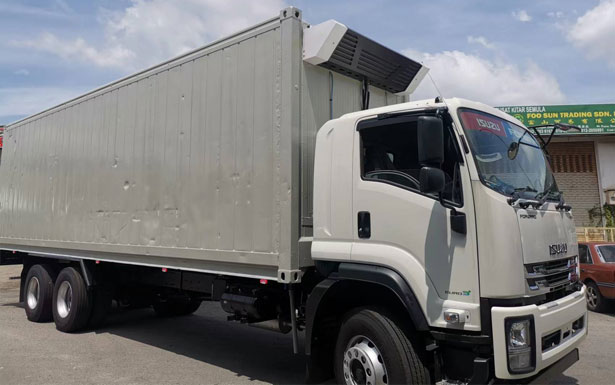
Modern transport refrigeration systems—often referred to as “reefer units”—are engineered to deliver consistent cooling performance under demanding highway conditions. According to industry solutions such as engine-driven transport refrigeration units used in truck applications, these systems are widely deployed for both chilled and deep-frozen cargo, ensuring temperature stability even in extreme ambient environments .
High Reliability for Long-Distance Operations
Long-distance transport exposes refrigerated cargo to multiple risks: fluctuating external temperatures, vehicle vibration, long operating hours, and frequent door openings during loading stops. To address these challenges, engine-driven refrigeration systems are designed with independent or vehicle-integrated power sources that allow continuous cooling without interruption.
A typical engine-driven freezer unit integrates a compressor, condenser, evaporator, and control system into a compact structure mounted on the front or roof of a truck body. These systems are optimized for reliability, low maintenance, and stable operation across extended travel routes. Some models support temperature ranges from around +25°C down to -20°C or lower, making them suitable for both fresh and frozen goods transport .
Engine-Driven Systems: Core Technology for Road Freight
One of the most widely used configurations in long-distance refrigeration is the engine-driven transport refrigeration unit. These systems are powered either directly by the truck engine or by a dedicated diesel engine, ensuring continuous operation even when the vehicle is stationary.
Key advantages include:
Continuous cooling during transit and rest stops
High cooling capacity for large cargo volumes
Independence from external electrical infrastructure
Stable performance in high ambient temperatures
Some diesel-powered transport refrigeration units are specifically designed for long-haul freight, capable of maintaining deep-freeze conditions (down to approximately -25°C) for extended periods, making them suitable for intercity and cross-border logistics .
Efficiency and Fuel Optimization
Fuel efficiency is a major concern in long-distance refrigerated transport. Modern systems focus on reducing energy consumption through improved compressor design, optimized airflow, and intelligent defrost cycles. Many units are engineered to balance cooling performance with lower operational cost and reduced engine load.
In addition, advancements in refrigeration technology now include standby electric operation modes, allowing trucks to maintain cooling while parked at warehouses using grid electricity instead of fuel. This hybrid approach reduces fuel usage and emissions during idle periods.
Applications Across Cold Chain Industries
Long-distance transport refrigeration is essential for a wide range of industries:
Food logistics: meat, seafood, dairy, fruits, and frozen meals
Pharmaceutical transport: vaccines and temperature-sensitive medicines
Chemical and industrial goods: temperature-stable reagents and materials
E-commerce cold delivery: expanding last-mile frozen distribution networks
With growing global demand for fresh and frozen products across regions, refrigerated trucking has become indispensable for connecting producers, warehouses, and retail markets.