
Electric APU for Trucks: A New Era of Idle-Free Cooling in North America
In the fast-changing landscape of long-haul trucking, energy efficiency and environmental compliance are becoming central concerns for fleet operators and independent drivers alike. One of the most notable innovations addressing these challenges is the Electric Auxiliary Power Unit (APU) for trucks, a battery-driven climate control solution designed to replace traditional diesel-powered systems. A leading example of this technology is the electric APU system developed for the U.S. market by Corunclima, which is reshaping how drivers manage in-cab comfort during rest periods.
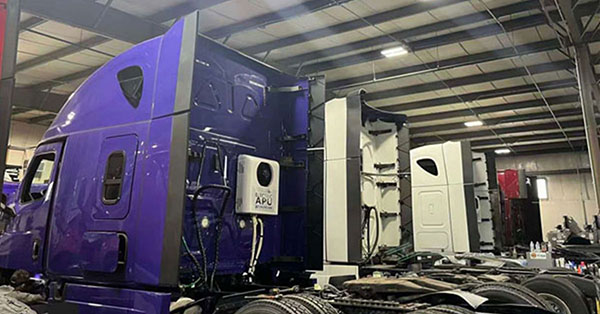
Traditionally, truck drivers have relied on engine idling or diesel APUs to power air conditioning and electrical systems while resting. However, these methods come with significant drawbacks, including high fuel consumption, increased engine wear, noise pollution, and regulatory issues in anti-idling zones. As states like California and Texas enforce stricter anti-idling laws, the demand for cleaner alternatives has surged. The electric APU has emerged as a practical response to these pressures, offering a fully battery-powered cooling system that operates independently of the truck’s main engine.
The Corunclima electric APU system, such as the K20BS2 and K50BS models, is engineered specifically for heavy-duty trucks operating across North America. These systems deliver cooling capacities ranging from approximately 9,500 BTU/h to 15,000 BTU/h, matching the performance of many diesel APUs while eliminating fuel usage entirely. The units are powered by 12V or 24V DC electrical systems and are typically supported by lithium battery packs, enabling several hours of continuous operation during overnight rest periods.
One of the most important advantages of electric APUs is their environmental performance. By eliminating engine idling, each truck can save over a thousand gallons of diesel fuel annually, significantly reducing carbon emissions and particulate output. For large fleets, this translates into substantial cost savings and measurable progress toward sustainability targets. In addition, electric APUs help companies comply with environmental regulations without compromising driver comfort.
From a technical perspective, these systems integrate compact DC compressors, efficient evaporators, and intelligent battery management systems. The design emphasizes simplicity and durability, reducing maintenance requirements compared to diesel APUs, which typically involve fuel lines, engine components, and frequent servicing. Electric APUs, by contrast, are built for long service life—often exceeding ten years under proper conditions.
Operationally, electric APUs are particularly valuable for long-haul drivers who spend extended periods in sleeper cabs. During rest stops, the system maintains cabin temperature without requiring the engine to run, ensuring a quieter and more comfortable sleeping environment. This reduction in noise is not only a comfort factor but also improves driver well-being and fatigue management, which are critical safety concerns in the trucking industry.
Fleet operators are also increasingly attracted to the return on investment (ROI) offered by electric APU systems. Manufacturers report that fuel savings alone can allow the system to pay for itself in under a year of operation. When combined with reduced maintenance costs and lower engine wear, the economic case becomes even stronger.
Despite these advantages, adoption is still in its growth phase. Some operators remain cautious due to concerns about battery capacity, cold-weather performance, and initial installation costs. However, ongoing improvements in lithium battery technology and energy efficiency are steadily addressing these limitations. Hybrid configurations and optional solar charging systems are also expanding the flexibility of electric APUs in diverse operating conditions.
Looking ahead, the electric APU represents a key step toward electrification in the trucking industry. As regulatory pressure increases and battery technologies continue to improve, these systems are expected to become a standard feature in new long-haul trucks. Companies like Corunclima are positioning themselves at the forefront of this transition by offering scalable, high-performance cooling solutions tailored for modern fleet requirements.
In conclusion, the electric APU for trucks is more than just a comfort upgrade—it is a transformative technology that reduces fuel consumption, lowers emissions, and improves driver quality of life. As the industry continues to evolve, idle-free electric cooling systems are likely to play a central role in shaping the future of freight transportation across North America.