News
-
07-23 2026
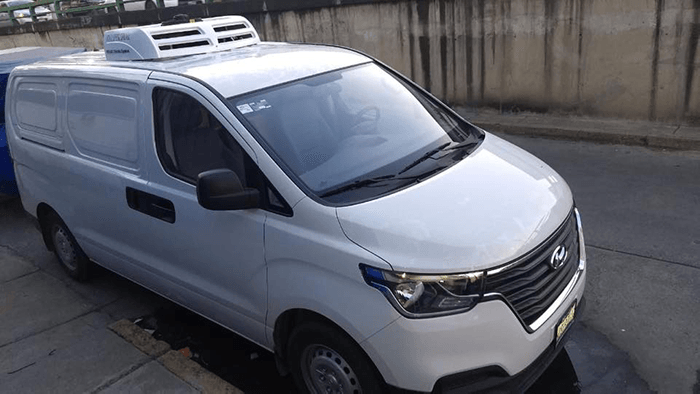
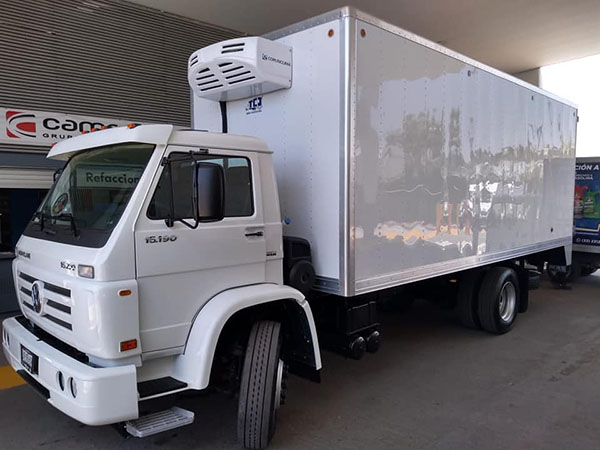
Accelerated Technological Evolution of Electric Light-Duty Truck Refrigeration Units Drives Green Cold Chain Trends
As urban delivery scenarios diversify and environmental regulations tighten, refrigeration units for electric light-duty trucks are entering a critical period of technological evolution. The industry widely recognizes that traditional engine-driven (PTO) refrigeration methods struggle to meet modern demands regarding energy efficiency, noise control, and zero-emission requirements; consequently, fully electric, intelligent refrigeration solutions are increasingly becoming the standard choice for urban cold chain delivery. Recently, major equipment manufacturers and vehicle OEMs have intensified their efforts in this sector, driving a comprehensive upgrade of refrigeration units from merely "functional" to "high-performance, intelligent, and eco-friendly."
-
07-23 2026
Truck Freezer Unit: Advancing Cold Chain Logistics with Reliable Transport Refrigeration
-
07-22 2026
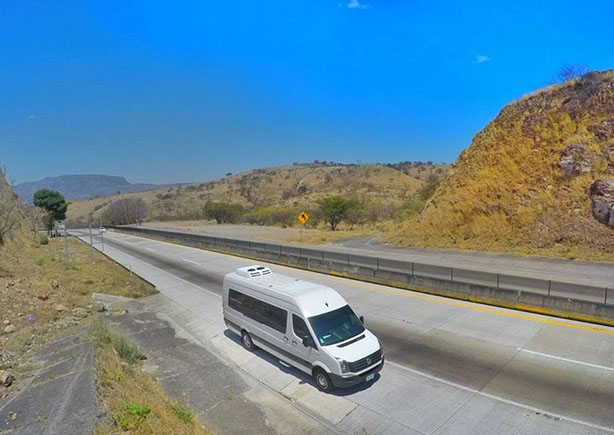
EV Van Air Conditioner Becomes a Key Upgrade for Modern Electric Commercial Fleets
The global transition toward electric mobility is accelerating, and commercial vehicle HVAC technology is evolving alongside it. Future EV van air conditioners are expected to become even more energy efficient through intelligent control systems, lightweight materials, and improved thermal management technologies.
-
07-22 2026
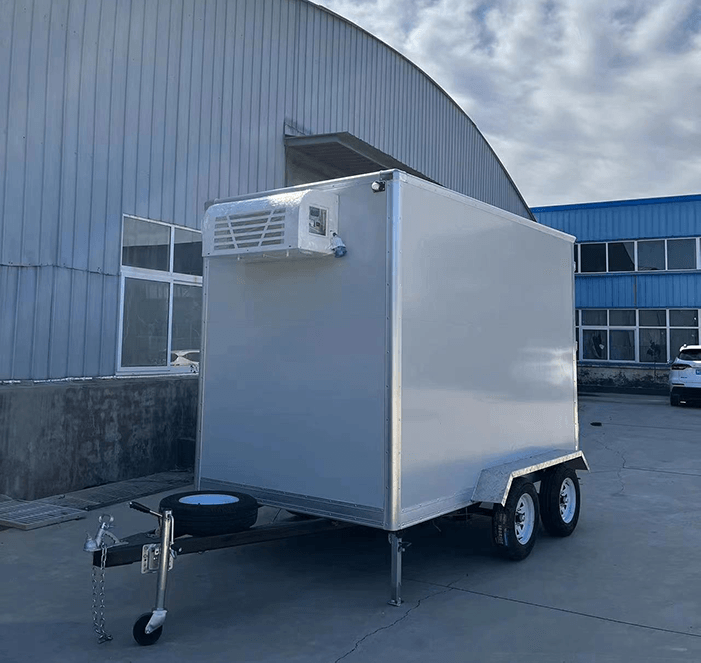
Portable Refrigerated Trailers: Flexible Temperature-Controlled Solutions Addressing Last-Mile Cold Chain Challenges
In recent years, driven by consumption upgrades and the diversification of logistics models, portable refrigerated trailers—compact units that can be flexibly hitched to standard passenger vehicles or light commercial vehicles—are transitioning from specialized equipment to broader commercial and consumer applications. These mobile refrigeration units effectively bridge the "temperature gap" between long-haul cold chain transport and last-mile delivery, serving as a crucial component in completing urban and rural cold chain networks.
-
07-21 2026
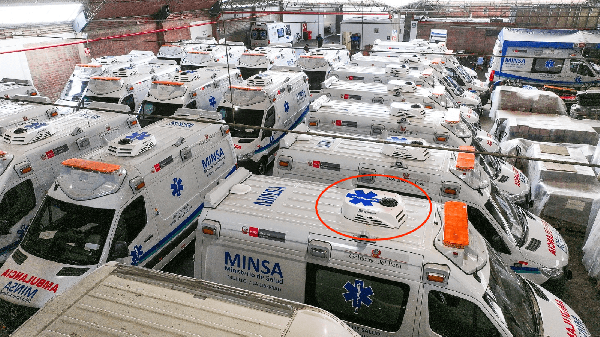
Bidding Farewell to the "Ordeal of Idling": DC Electric A/C Sets a New Standard for Ambulance Cabin Environments
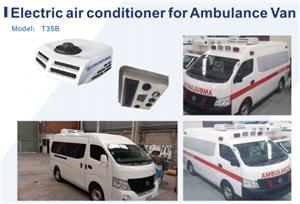
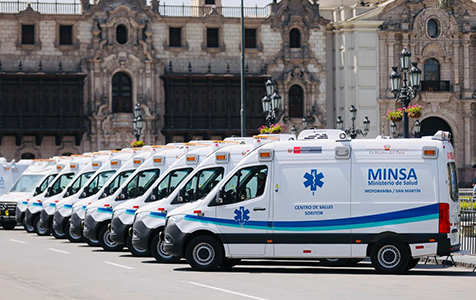
In the race against time during emergency missions, maintaining the cabin environment while the vehicle is stationary has long been an "invisible battleground." With traditional fuel-powered ambulances, maintaining cooling or heating in the medical compartment while parked required the engine to idle continuously. This not only caused massive fuel waste and mechanical wear but also introduced engine vibrations and exhaust fumes directly into the emergency scene—pain points that compromised the precision of medical personnel and the comfort of patients. In recent years, driven by the adoption of new energy chassis technology and upgrades to vehicle electrical systems, an independent DC electric air conditioning system has quietly transformed this landscape, infusing these mobile "arks of life" with a breath of cool, green vitality.
-
07-21 2026
A New Beginning for Emergency Care: How Ambulance Van Air Conditioner Is Changing the Future of Medical Transport
We believe the future of emergency vehicles will not only be defined by advanced medical equipment, but also by intelligent systems that create safer environments for patients and healthcare workers.
-
07-20 2026
Technological Evolution of Electric Truck Refrigeration Units Accelerates; Green Cold Chain Logistics Enters the Fast Lane
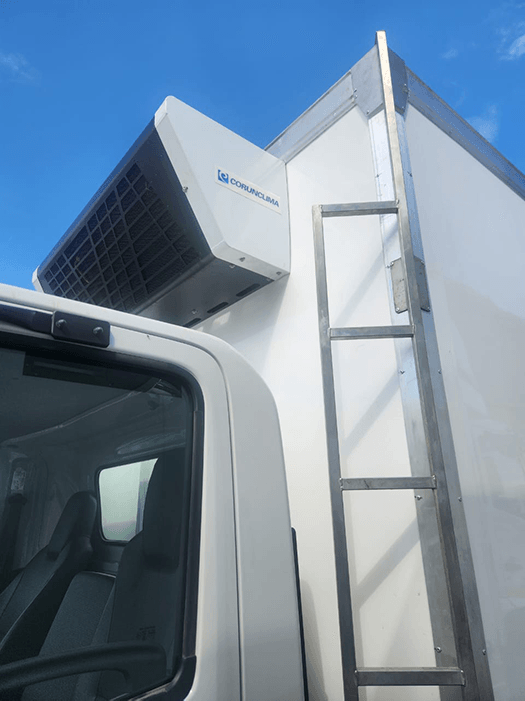
Driven by global carbon neutrality goals and the wave of electrification in the transport sector, electric truck refrigeration units—core equipment for cold chain logistics—are undergoing profound technological transformation. From optimizing compressor efficiency to the widespread adoption of intelligent control systems, and from equipping new vehicles to retrofitting existing fleets with eco-friendly upgrades, the industry is rapidly shedding its reliance on traditional fossil fuels and advancing toward a new era of high efficiency, intelligence, and environmental sustainability.
-
07-20 2026
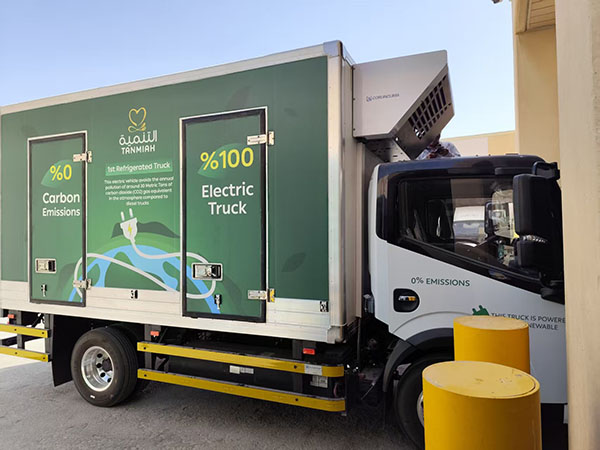
Saudi Arabia Installation Highlights the Advantages of Corunclima’s 48V Electric Refrigeration Units for Electric Trucks
Companies interested in electric refrigeration units for electric trucks, transport refrigeration solutions, or regional cooperation opportunities are welcome to contact Corunclima. Together, we can build the next generation of sustainable cold chain transportation.
-
07-17 2026
Rapid Evolution of Electric Refrigeration Units for Small Trucks Ushers in a New Era of Smart, Electric Cold Chain Logistics
Driven by the surging demand for fresh food e-commerce, pharmaceutical cold chain logistics, and on-demand delivery services, urban last-mile cold chain distribution has become one of the fastest-growing segments of the logistics industry. As critical equipment for ensuring cargo quality, electric refrigeration units for small trucks are experiencing accelerated technological upgrades and market adoption, propelling the entire urban cold chain transport system toward a greener and smarter future.
-
07-17 2026
Green Transport Refrigeration Unit Drives the Future of Sustainable Cold Chain Logistics
Green transport refrigeration unit technology is becoming a key solution for the global cold chain industry as businesses seek cleaner, more efficient, and reliable temperature control systems. With the rapid growth of fresh food delivery, pharmaceutical transportation, and urban logistics, the demand for environmentally friendly refrigeration solutions continues to increase.