News
-
07-09 2026
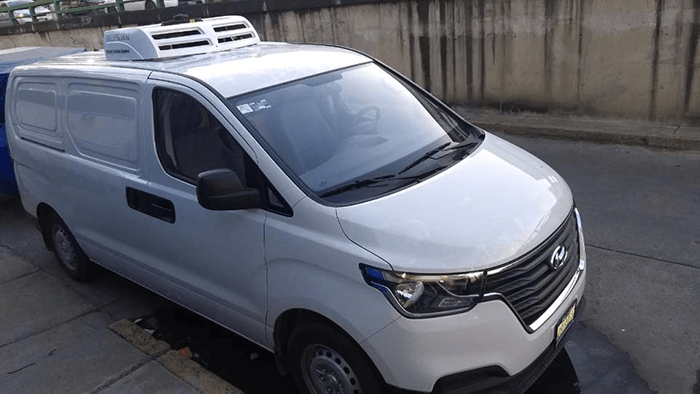
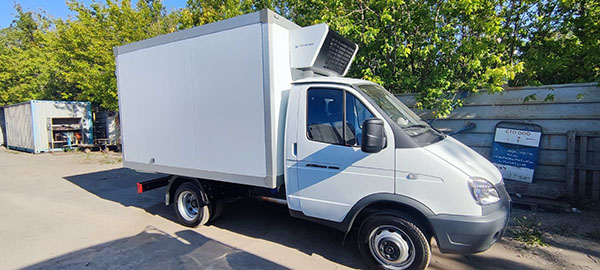
Electric Refrigeration Units for Box Trucks Enter the Fast Lane: A New Engine for the Green Upgrade of Cold Chain Logistics
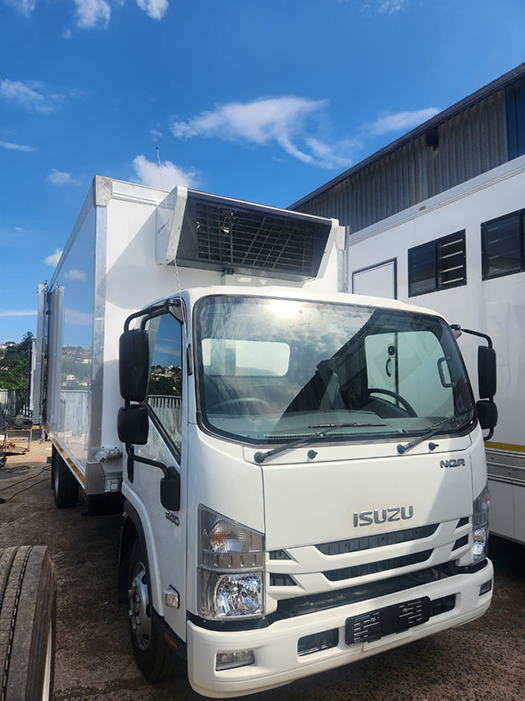
Driven by the dual forces of "Dual Carbon" goals and consumption upgrades, the cold chain transport industry is undergoing a profound transformation in its power systems. As a core component of refrigerated trucks, electric refrigeration units are gradually replacing traditional fuel-powered systems—thanks to their clean, efficient, and intelligent nature—and becoming the preferred choice for urban distribution and short-haul cold chain transport. This shift not only marks a technological leap in transport equipment but also propels the entire logistics chain toward low-carbon operations and refined management.
-
07-09 2026
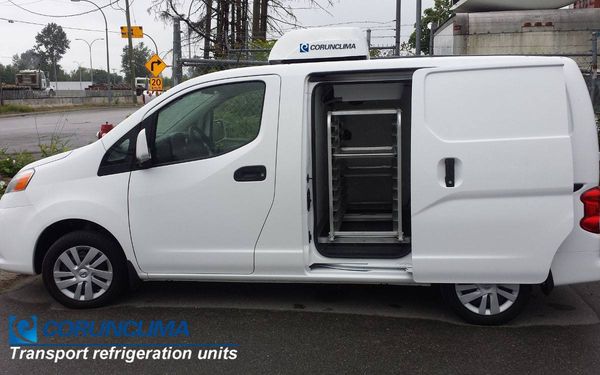
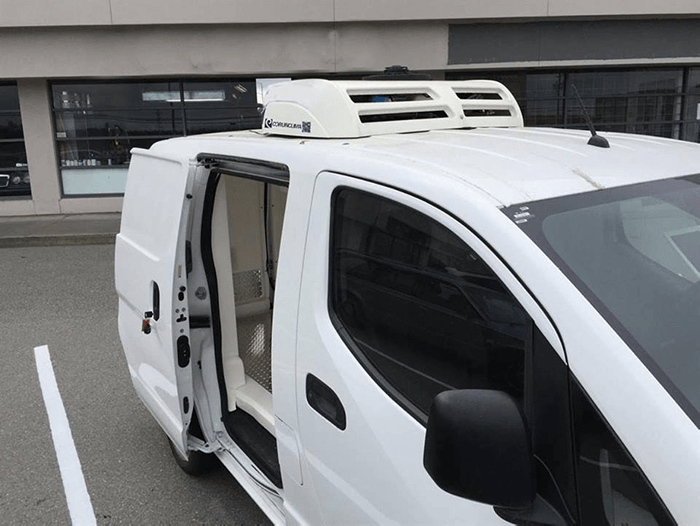
EV Van Refrigeration Units Drive the Future of Sustainable Cold Chain Transportation
The rise of EV van refrigeration units represents a major shift in the cold chain transportation industry. By combining electric vehicle technology with advanced refrigeration systems, businesses can achieve cleaner operations, lower energy costs, and more reliable temperature-controlled delivery. As demand for sustainable logistics continues to grow, electric refrigeration solutions will become increasingly important for the global transportation industry. From fresh food distribution to pharmaceutical delivery, EV-powered cooling technology is helping build a more efficient and environmentally responsible future for commercial transportation.
-
07-08 2026
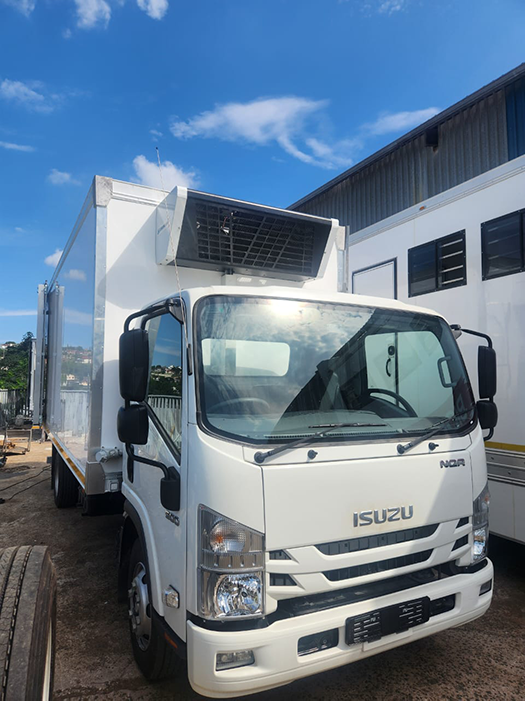
Electric Truck Refrigeration Units Enter the Fast Lane: Accelerating the Green Transformation of Cold Chain Logistics
As the "dual carbon" goals advance and urban emission regulations tighten, electric truck refrigeration units are shifting from niche innovations to industry mainstream. Driven by a combination of technological evolution, policy guidance, and market demand, this sector has entered a critical growth phase, becoming a key force in driving the green and intelligent transformation of cold chain logistics.
-
07-08 2026
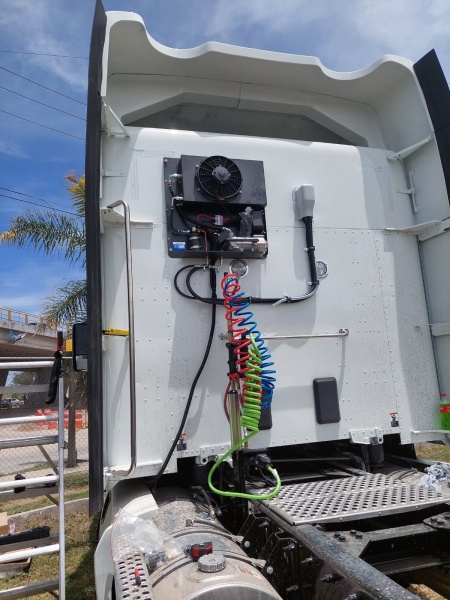
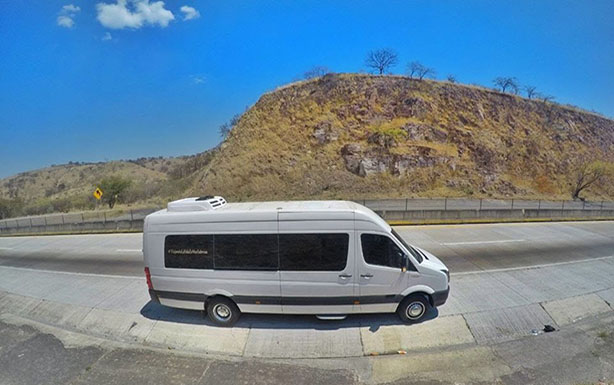
Battery Powered APU for Semi Trucks: The Smart Idle-Free Solution for Modern Fleets
For long-haul trucking operations, reducing operating costs while maintaining driver comfort has become a major challenge. Traditional engine idling consumes fuel, increases engine wear, creates unnecessary emissions, and may violate anti-idling regulations in many regions. A battery powered APU for semi trucks provides an efficient alternative by delivering reliable cab cooling and power without running the main engine. Designed for fleet operators, truck owners, and commercial transportation companies, battery-powered auxiliary power units help create a cleaner, quieter, and more cost-effective trucking operation.
-
07-07 2026
Transport Refrigeration for Long Distance: Reliable Cooling Solutions Strengthen Global Cold Chain Logistics
Global cold chain transportation is entering a new stage of development as the demand for fresh food, frozen products, pharmaceuticals, and temperature-sensitive goods continues to grow. For long-distance transportation, maintaining stable temperatures throughout the entire journey has become one of the biggest challenges for logistics companies. Advanced transport refrigeration systems are now playing a critical role in ensuring cargo safety, reducing losses, and improving supply chain efficiency.
-
07-06 2026
All-Electric Refrigeration Units for Box Trucks: Ushering in a "Silent, Zero-Carbon" Era for Cold Chain Delivery
As urban logistics rapidly shifts toward green, low-carbon operations, the innovative application of all-electric refrigeration units for box trucks is emerging as a transformative force in the cold chain transport sector. This technology fundamentally overturns the traditional model—which relied on independent diesel engines for cooling—by adopting a pure electric drive system. It offers a new, environmentally friendly, and cost-effective solution for the urban delivery of high-value, temperature-sensitive goods, such as fresh food and pharmaceuticals (including vaccines).
-
07-06 2026
Electric Van Idle-Free Air Conditioner: Redefining Comfort, Efficiency, and Zero-Emission Cooling for Modern Transport
-
07-03 2026
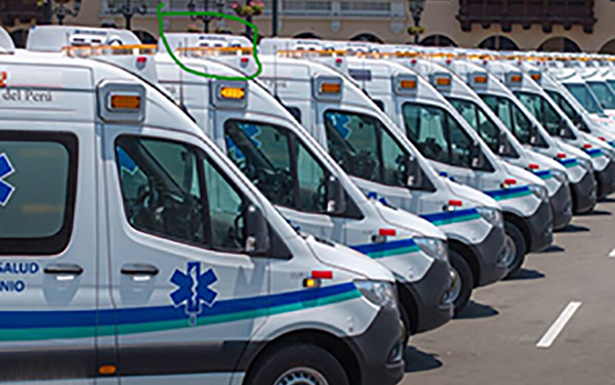
Global Demand Rising for Ambulance Rooftop Air Conditioner Systems as Emergency Vehicle Cooling Becomes Mission-Critical
Corunclima’s DC electric rooftop AC systems also integrate dual-zone temperature control, allowing separate climate settings for the driver cabin and patient compartment. This feature improves both driving safety and patient comfort, creating a more controlled and professional medical environment. In addition, built-in battery protection systems ensure stable power usage, preventing over-discharge during long operational cycles.
-
07-03 2026
Portable Refrigerated Trailers Enter the Fast Lane: Green Technology, Smart Systems, and Diverse Use Cases Reshape the Mobile Cold Chain Landscape
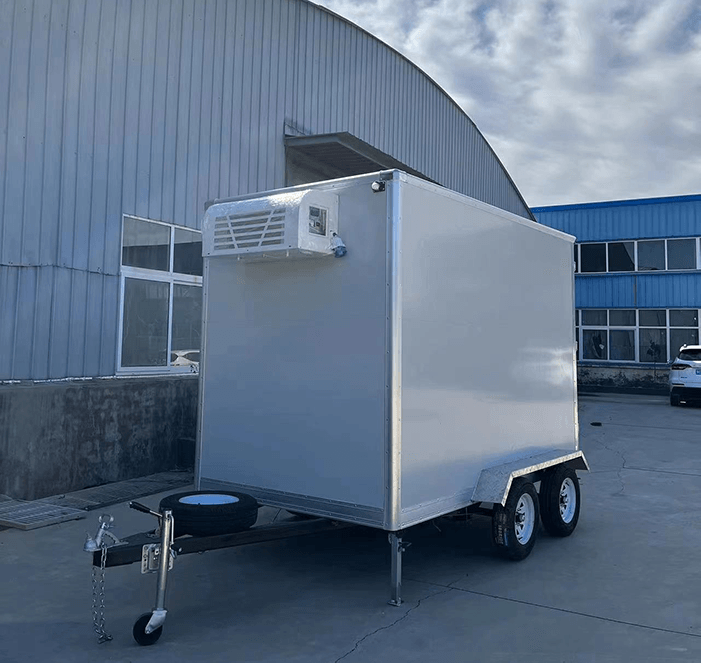
Driven by the surging demand in fresh food e-commerce, the outdoor economy, and emergency medical logistics, portable refrigerated trailers are evolving from simple auxiliary transport tools into indispensable "mobile cold storage units" within modern logistics systems. Since 2026, the deep integration of energy technology, materials science, and intelligent control systems has spurred significant trends in this sector—including the shift to clean power, the expansion of application boundaries, and operational model innovations—thereby offering industries more flexible, reliable, and eco-friendly temperature-controlled solutions.
-
07-02 2026
Rapid Adoption of All-Electric Refrigeration Units for Box Trucks Ushers in a Green Transformation for Cold Chain Logistics
Driven by the deepening of the national "Dual Carbon" strategy and the iterative upgrading of the new energy commercial vehicle industry, all-electric refrigeration units for box trucks are entering a critical window for rapid adoption. The large-scale implementation of this technology not only signifies a fundamental shift in the energy structure of cold chain transport equipment but also marks the beginning of a new chapter of green transformation for the cold chain logistics industry—a comprehensive shift toward a sustainable development model characterized by low noise, zero emissions, and high energy efficiency.