
Truck Freezer Unit: Advancing Cold Chain Logistics with Reliable Transport Refrigeration
As global demand for fresh food, frozen products, pharmaceuticals, and temperature-sensitive cargo continues to increase, the role of the Truck Freezer Unit has become more critical than ever. Cold chain logistics relies on dependable refrigeration technology to ensure that products remain at their required temperatures throughout transportation. Modern truck freezer units are now delivering greater cooling efficiency, lower operating costs, and improved environmental performance, making them an essential investment for logistics companies worldwide.
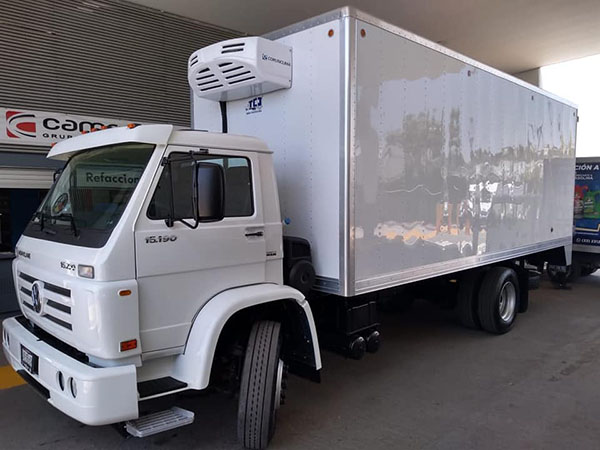
A truck freezer unit is a specialized transport refrigeration system designed to maintain cargo temperatures as low as -20°C while operating under a wide range of ambient conditions. These systems are commonly installed on refrigerated trucks used to transport frozen meat, seafood, dairy products, ice cream, fruits, vegetables, pharmaceuticals, and other perishable goods. Engine-driven freezer units remain one of the most popular solutions because they utilize the vehicle's engine to power the refrigeration compressor, eliminating the need for an independent diesel engine while reducing maintenance requirements.
In recent years, manufacturers have focused on improving cooling capacity while reducing fuel consumption and equipment weight. Modern truck freezer units feature aerodynamic condenser designs, lightweight evaporators, digital temperature controllers, automatic hot-gas defrost systems, and environmentally friendly refrigerants. These improvements allow operators to maintain stable cargo temperatures even during long-distance transportation through high-temperature regions.
Another important trend is the availability of refrigeration units designed for different cargo volumes. Compact models are suitable for pickup trucks and light commercial vehicles with insulated boxes ranging from approximately 12 to 22 cubic meters, while larger engine-driven systems are capable of cooling truck bodies up to 60 cubic meters. This broad product range enables fleet operators to select refrigeration equipment that matches both vehicle size and transportation requirements without overspending on unnecessary cooling capacity.
Energy efficiency has become a major consideration across the transport refrigeration industry. Engine-driven freezer units generally consume less fuel than standalone diesel refrigeration systems because they share the truck's existing power source. Many systems also support optional electric standby functions, allowing refrigeration to continue while the vehicle is parked and connected to external power. This flexibility reduces fuel costs, lowers emissions, and helps maintain uninterrupted cold chain protection during loading, unloading, or overnight storage.
Reliable temperature control is equally important. Today's truck freezer units utilize intelligent digital controllers that continuously monitor cargo temperatures and automatically adjust compressor operation. Automatic hot-gas defrost technology minimizes frost accumulation on evaporators, maintaining airflow and cooling efficiency while reducing manual maintenance. These technologies help ensure that frozen goods remain within the required temperature range throughout transportation, minimizing product loss and improving customer confidence.
Durability is another key advantage of modern transport refrigeration equipment. Components such as high-performance compressors, corrosion-resistant condensers, efficient evaporators, and robust electronic control systems are designed to withstand continuous operation in demanding environments. Whether transporting frozen seafood through coastal regions, pharmaceuticals across urban distribution networks, or dairy products between manufacturing plants and supermarkets, dependable refrigeration performance is essential for protecting cargo quality.
Looking ahead, the transport refrigeration sector is moving toward greater sustainability. Alongside traditional engine-driven systems, manufacturers are investing in battery-powered refrigeration units, electric vehicle-compatible cooling systems, and intelligent fleet management technologies that enable remote monitoring of temperature, operating status, and maintenance requirements. These innovations are expected to improve energy efficiency while helping logistics companies meet increasingly stringent environmental regulations.
Industry experts believe that demand for high-performance truck freezer units will continue to grow as e-commerce grocery delivery, pharmaceutical distribution, and international food trade expand. Fleet operators are placing greater emphasis on equipment reliability, lifecycle cost, and energy efficiency rather than simply selecting refrigeration systems based on initial purchase price. As a result, manufacturers that provide advanced cooling technology, intelligent control systems, and dependable after-sales support are expected to remain competitive in the rapidly evolving cold chain logistics market.
With continuous innovation in refrigeration technology, truck freezer units are becoming more efficient, more environmentally friendly, and better suited to the increasingly demanding requirements of modern cold chain transportation. Their ability to deliver stable low-temperature performance while reducing operating costs ensures they will remain a cornerstone of refrigerated logistics for years to come.