
Accelerated Technological Evolution of Electric Light-Duty Truck Refrigeration Units Drives Green Cold Chain Trends
As urban delivery scenarios diversify and environmental regulations tighten, refrigeration units for electric light-duty trucks are entering a critical period of technological evolution. The industry widely recognizes that traditional engine-driven (PTO) refrigeration methods struggle to meet modern demands regarding energy efficiency, noise control, and zero-emission requirements; consequently, fully electric, intelligent refrigeration solutions are increasingly becoming the standard choice for urban cold chain delivery. Recently, major equipment manufacturers and vehicle OEMs have intensified their efforts in this sector, driving a comprehensive upgrade of refrigeration units from merely "functional" to "high-performance, intelligent, and eco-friendly."
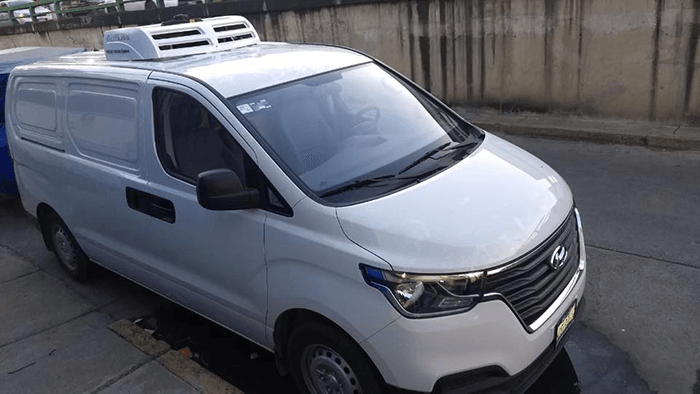
All-Electric Drive Reshapes Power Integration
The most notable feature of the new generation of electric light-duty truck refrigeration units is the complete elimination of reliance on engine power take-off (PTO). Powered by independent battery packs or systems deeply integrated with the vehicle's main battery, the refrigeration system operates stably whether the vehicle is moving, parked, or even turned off, ensuring the cargo compartment temperature remains within the set range. This power-decoupled design not only enhances cooling stability but also ensures reliable operation under complex conditions such as urban traffic congestion and frequent stop-and-go driving. Meanwhile, the adoption of high-efficiency variable-frequency compressors and optimized airflow layouts has significantly improved the cooling efficiency per unit of electricity, gradually resolving the challenge of balancing vehicle driving range with refrigeration duration.
Intelligent Temperature Control Empowers Units with "Smart" Capabilities
Building on hardware upgrades, "software-defined refrigeration" is emerging as a new industry consensus. Mainstream products now typically feature digital temperature control modules capable of automatically adjusting cooling output based on factors such as cargo thermal load, ambient temperature fluctuations, and the frequency of door openings. Furthermore, some advanced systems incorporate self-learning algorithms that record temperature characteristics of frequently used delivery routes, enabling proactive pre-cooling or energy-saving adjustments. Remote monitoring and human-machine interaction capabilities are also maturing; users can monitor compartment conditions in real-time, adjust temperature settings, and even receive fault alerts via mobile devices. These intelligent features effectively reduce the risk of human error, making the cold chain transport process more transparent and controllable. **Lightweight and Compact Designs Tailored for Urban Logistics**
To address the constraints of limited cargo space and payload sensitivity inherent in small trucks, refrigeration units are evolving toward lighter and more compact designs. By utilizing high-strength alloy frames and modular, integrated layouts, the new generation of units significantly reduces weight and physical footprint—without compromising cooling capacity—thereby freeing up valuable space for cargo. Furthermore, their lower profiles and flexible mounting options allow vehicles to navigate height-restricted areas such as underground parking garages and narrow alleys, expanding the operational range of electric small trucks. Low-noise operation ensures that nighttime deliveries and services in residential areas no longer cause noise disturbances.
Accelerating the Formation of a Green Cold Chain Ecosystem
From an industry-wide perspective, the adoption of refrigeration units for electric small trucks is driving the creation of a complete, zero-emission closed-loop system within cold chain logistics. Combining battery-electric vehicles with all-electric refrigeration units eliminates direct emissions across the entire process—from driving to cooling. This aligns with increasingly strict local regulations regarding road access for fuel-powered trucks while meeting end-users' implicit demand for low-carbon, eco-friendly solutions. Additionally, the large-scale adoption of environmentally friendly refrigerants is progressing steadily, further mitigating the environmental impact of cold chain equipment throughout its lifecycle.
Outlook: Collaborative Innovation as the Key to the Next Phase
Industry consensus holds that the future of refrigeration units for electric small trucks depends not merely on the performance of individual units, but on deep collaboration among the vehicle, the refrigeration system, and the operational platform. Key areas for future technological development include integrated thermal management for the vehicle, battery, and cooling system; predictive maintenance powered by big data; and flexible multi-temperature zone switching to accommodate diverse cargo types. As urban consumption patterns evolve, demand for the delivery of fresh produce, pharmaceuticals, and flowers will continue to grow, raising market expectations for efficient, smart, and green refrigeration solutions for small trucks. Driven by both technological innovation and policy support, this market segment is poised to enter a new cycle of high-quality development.