
Technological Evolution of Electric Truck Refrigeration Units Accelerates; Green Cold Chain Logistics Enters the Fast Lane
Driven by global carbon neutrality goals and the wave of electrification in the transport sector, electric truck refrigeration units—core equipment for cold chain logistics—are undergoing profound technological transformation. From optimizing compressor efficiency to the widespread adoption of intelligent control systems, and from equipping new vehicles to retrofitting existing fleets with eco-friendly upgrades, the industry is rapidly shedding its reliance on traditional fossil fuels and advancing toward a new era of high efficiency, intelligence, and environmental sustainability.
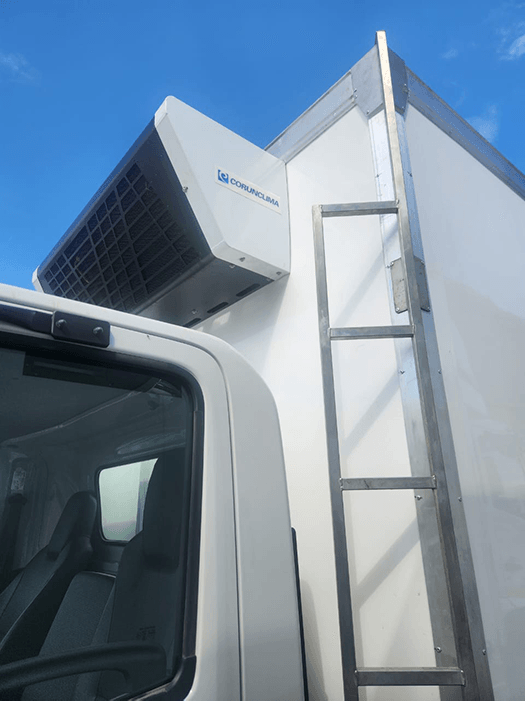
Technological Breakthroughs in Core Components Drive Energy Efficiency Upgrades
Significant progress has recently been made in compressor technology—the heart of the refrigeration unit. Leading companies in turbomachinery have successfully developed a new type of oil-free bearing centrifugal compressor. By utilizing ultra-high-speed motors and advanced bearing systems, this technology delivers powerful cooling performance while drastically reducing the unit's size and weight. Its oil-free design not only lowers operating noise and maintenance costs but also enables long-term, maintenance-free operation, significantly enhancing overall system reliability. Crucially, the technology supports various voltage platforms and is compatible with new low-GWP (Global Warming Potential) refrigerants, offering a solution that balances performance and environmental protection for electric truck HVAC and refrigeration systems.
Meanwhile, the introduction of heat pump technology is addressing the industry-wide challenge of excessive energy consumption for heating during winter. These new heat pump systems utilize natural refrigerants to provide efficient heating even in low-temperature environments. Compared to traditional electric resistance heating, they offer significantly higher energy efficiency ratios, effectively mitigating the issue of reduced driving range for battery-electric trucks in cold regions and ensuring reliable, year-round, all-weather cold chain operations.
Major Manufacturers Accelerate Commercialization of All-Electric Products
Leading global players in transport temperature control are rapidly rolling out all-electric product lines. Several internationally renowned brands have announced that their all-electric refrigeration units—designed for electric trucks of various tonnage—have entered the mass production or volume delivery stage. These products feature highly integrated electrical architectures, ensuring easy installation and seamless compatibility with mainstream battery-electric truck platforms. Their ultra-thin, lightweight design not only reduces the vehicle's overall energy consumption but also incorporates telematics systems to enable real-time temperature monitoring, fault alerts, and remote parameter adjustments, thereby significantly boosting management efficiency in cold chain logistics. Domestic refrigeration companies are also actively positioning themselves in the market. Many have launched new-generation smart electric refrigeration units that integrate AI algorithms to achieve precise temperature control for cargo. These units automatically optimize operating strategies based on factors such as road conditions and load weight, delivering outstanding overall energy efficiency. Meanwhile, some vehicle manufacturers are developing integrated refrigeration systems in-house—focusing on reducing costs and size while minimizing noise—to boost the overall performance of electric trucks.
Retrofitting Existing Fleets and Smart Technology: A Vast Market Opportunity
Beyond equipping new vehicle models, the market for retrofitting existing internal combustion engine trucks with electric refrigeration systems is also gaining attention. Innovative solutions, such as power conversion modules, have emerged; these allow power from an electric truck's traction battery to run existing refrigeration units. This enables fleets to meet emissions targets without replacing entire systems, offering logistics companies a cost-effective transitional option.
Intelligence is becoming a key competitive factor for electric truck refrigeration units. New units typically feature high-precision sensors and adaptive control algorithms that dynamically adjust cooling output based on cargo characteristics, ambient temperature, and vehicle status. The introduction of AI-driven predictive maintenance allows for the early detection of potential faults, reducing the risk of breakdowns during transit and ensuring the safe delivery of high-value goods.
Driven by Policy and Demand: A Promising FutureAs countries worldwide implement stricter emissions regulations and mandate specific electrification targets for urban delivery vehicles, the green transformation of the cold chain logistics industry has shifted from an optional choice to a necessity. Sustained growth in downstream sectors—such as fresh food e-commerce, pharmaceutical transport, and premium food delivery—is creating extensive application opportunities for electric truck refrigeration units.
Industry analysts predict that as technology matures, supply chains become more robust, and infrastructure improves, electric truck refrigeration units will see rapid adoption. From "micro-circulation" urban deliveries to long-haul intercity transport, this core equipment—characterized by higher efficiency, lower emissions, and advanced intelligence—is becoming a cornerstone of future green cold chain systems. In the near future, clean, quiet, and smart electric cold chain fleets will likely become a common sight, traversing urban and rural areas alike to safeguard the food supply and public health.