
All-Electric Refrigeration Units for Box Trucks: Ushering in a "Silent, Zero-Carbon" Era for Cold Chain Delivery
As urban logistics rapidly shifts toward green, low-carbon operations, the innovative application of all-electric refrigeration units for box trucks is emerging as a transformative force in the cold chain transport sector. This technology fundamentally overturns the traditional model—which relied on independent diesel engines for cooling—by adopting a pure electric drive system. It offers a new, environmentally friendly, and cost-effective solution for the urban delivery of high-value, temperature-sensitive goods, such as fresh food and pharmaceuticals (including vaccines).
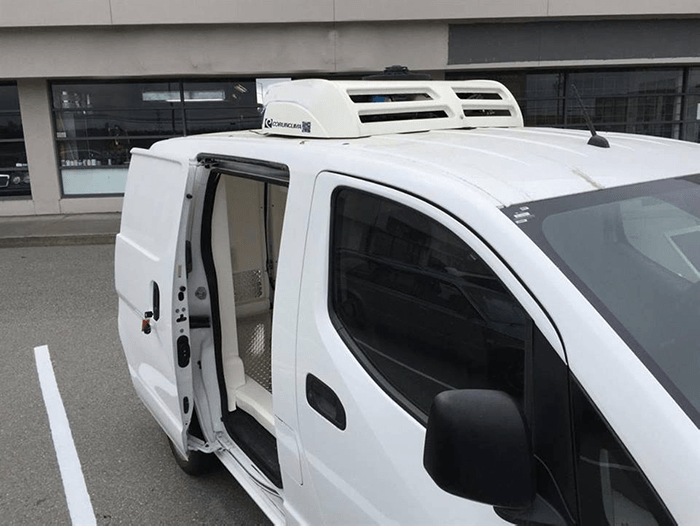
Technical Architecture: From "Fuel Guzzler" to "Electric Dynamo"
Traditional refrigerated truck units have long relied on small diesel engines for power. These units not only consume significant amounts of fuel but also generate loud noise and heavy exhaust emissions, facing increasing restrictions when operating in city centers and residential neighborhoods. In contrast, all-electric refrigeration units completely eliminate the use of fossil fuels. They draw power directly from the vehicle's traction battery or an independent high-voltage battery pack, achieving zero tailpipe emissions during the refrigeration process.
Regarding core technology, mainstream products currently employ full DC inverter control. Unlike traditional fixed-frequency units that operate only in "start" or "stop" modes, inverter systems dynamically adjust compressor speed based on the difference between the actual temperature inside the cargo hold and the target setpoint. This allows cooling output to precisely match fluctuations in thermal load. The direct result is a significant reduction in temperature fluctuations within the cargo hold, providing a more stable storage environment for goods that are highly sensitive to temperature changes. Additionally, intelligent control modules analyze multiple data points—such as remaining battery charge, ambient temperature, and door-opening frequency—to autonomously select the most energy-efficient strategy, thereby extending the vehicle's driving range while maintaining precise temperature control.
Environmental Protection and Public Well-being: Realizing Dual Benefits
The most significant social value of all-electric refrigeration units lies in their environmental friendliness. Urban delivery vehicles frequently travel through densely populated areas; the particulate matter and nitrogen oxides emitted by traditional diesel refrigeration units pose a threat to air quality. Electrification eliminates these localized pollutants, directly contributing to the improvement of the urban micro-environment and safeguarding the health of frontline delivery personnel. Noise reduction is equally significant. Cold chain restocking in the early morning or late at night often triggered neighbor complaints due to the roaring of traditional cooling units; however, all-electric drive systems have drastically lowered operating noise levels, making silent vehicle operations a reality. This allows cold chain logistics companies to more easily navigate the time windows for accessing urban low-noise zones and improves community acceptance of logistics operations.
Industry Ecosystem: Policy Support and Market Initiative
At the macro level, the transition of freight vehicles to new energy sources has been incorporated into the long-term framework for green transportation development. In recent years, regulatory authorities have consistently used guiding policies to encourage the replacement of older, high-emission vehicles, prioritizing support for cold chain delivery models. This policy direction clearly signals an industry-wide transformation, prompting an increasing number of transport companies and fresh-food e-commerce platforms to proactively adopt all-electric refrigeration as a procurement standard.
Simultaneously, refrigeration equipment manufacturers are accelerating the development of products specifically designed for urban delivery scenarios. Advances in modular design, lightweight materials, and high-efficiency heat exchange technologies allow new units to deliver robust cooling and heating performance while minimizing weight and volume, thereby reducing the impact on vehicle payload and driving range. Some products even integrate phase-change cold storage technology, enabling the maintenance of cargo temperatures using stored cooling energy even when the vehicle is parked and the engine is off, which greatly enhances operational flexibility.
Outlook: From Optional Feature to Standard Equipment
As power battery energy density continues to rise and fast-charging networks become increasingly comprehensive, the application scope of all-electric refrigeration units is expanding from short-haul urban delivery to medium- and long-haul trunk transport. Driven by the dual forces of technological evolution and policy guidance, all-electric refrigeration units are poised to shift from being an optional add-on for high-end refrigerated trucks to becoming a standard feature of the next generation of box trucks. This represents not merely a change in power sources, but a significant milestone in the cold chain logistics industry's journey toward an efficient, clean, and sustainable future. City mornings will become fresher and more peaceful, thanks to these quietly passing electric refrigerated trucks.