
Electric Truck Refrigeration Units Enter the Fast Lane: Accelerating the Green Transformation of Cold Chain Logistics
As the "dual carbon" goals advance and urban emission regulations tighten, electric truck refrigeration units are shifting from niche innovations to industry mainstream. Driven by a combination of technological evolution, policy guidance, and market demand, this sector has entered a critical growth phase, becoming a key force in driving the green and intelligent transformation of cold chain logistics.
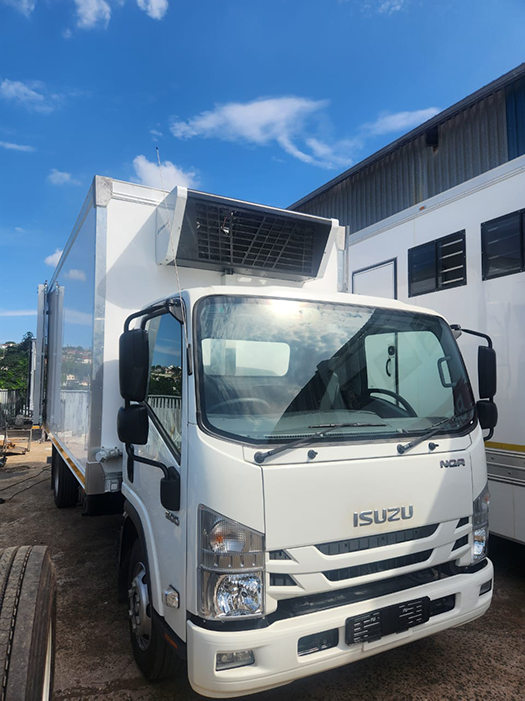
Technological Evolution: From "Diesel-to-Electric" to Native Intelligence
Truck refrigeration units have long relied on diesel power; characterized by high energy consumption, significant noise, and substantial pollutant emissions, they represent a glaring environmental shortcoming in urban distribution. The maturation of electric alternatives directly addresses the urgent need for low-carbon transport. Currently, mainstream electric refrigeration units widely employ full DC inverter drives and intelligent thermal management technologies. These systems automatically adjust cooling output based on cargo load, ambient temperature, and driving conditions, ensuring precise temperature control while significantly boosting energy efficiency. Compared to traditional mechanical fixed-frequency systems, this new generation of electric products offers smoother operation and easier maintenance, while supporting deep integration with the vehicle's battery system to effectively alleviate range anxiety.
In terms of technology pathways, the industry is witnessing diverse innovation. The gradual introduction of AI-driven control algorithms equips refrigeration units with self-learning and self-diagnostic capabilities; these systems can identify potential faults in advance and optimize operating strategies, thereby significantly enhancing the safety and reliability of cold chain transport. The combined application of high-efficiency compressors, low-noise fans, and eco-friendly refrigerants continuously improves overall unit performance while meeting increasingly stringent environmental regulations. Some cutting-edge designs have begun incorporating regenerative braking and photovoltaic-assisted power supply, further diversifying energy sources and reducing reliance on the vehicle's main battery pack.
Market and Policy Synergy: From "Optional" to "Essential"
The market response has been positive. As the penetration rate of new energy trucks climbs rapidly, demand from vehicle manufacturers for matching electric refrigeration equipment is surging. Electric refrigeration units are highly favored by transport fleets and end-users—particularly in time-sensitive sectors like urban delivery, fresh food e-commerce, and pharmaceutical cold chains—thanks to their "zero-emission, low-noise, and high-comfort" characteristics. Many major logistics enterprises have made electric refrigeration a standard feature for new vehicle purchases, viewing it as a key move to enhance brand image and fulfill corporate social responsibility. Meanwhile, the gradual expansion of charging infrastructure provides the necessary support for the large-scale operation of these electric units.
Clear signals are emerging from the policy landscape. The latest industry standards explicitly encourage the use of new energy or clean energy refrigeration solutions for urban refrigerated trucks, guiding a shift in technological pathways at the source. Many regions are adjusting support policies for the scrappage and replacement of aging diesel freight vehicles to prioritize new energy cold-chain delivery trucks, thereby creating a favorable institutional environment for the adoption and upgrading of electric refrigeration units. As policy incentives continue to take effect, the comprehensive operational cost advantages of electric refrigeration units will become increasingly apparent, accelerating the replacement of traditional diesel-powered systems.
Future Outlook: Evolving Toward a Systematic and Connected Ecosystem
Looking ahead, the development of electric truck refrigeration units will move beyond simple powertrain replacement, evolving instead toward systematic integration and connectivity. By interacting in real-time with cloud-based management platforms, fleets can perform remote monitoring, energy consumption analysis, and predictive maintenance scheduling for each unit, creating a smart cold-chain system with end-to-end visibility and control. This not only helps reduce total lifecycle costs but also provides a higher level of assurance for food safety and pharmaceutical distribution.
From technical validation to large-scale application, and from policy guidance to market-driven adoption, electric truck refrigeration units are reshaping the fundamental logic of cold-chain logistics. This path of green transformation addresses the industry's practical need to cut costs and boost efficiency while aligning with society's shared aspirations for a clean, low-carbon future. As the industrial ecosystem matures, electric refrigeration technology is poised to deliver value across a wider range of applications, injecting new momentum into the high-quality development of the logistics industry.