
Truck Cooling System: Driving the Future of Efficient Cold Chain Transportation
As global cold chain logistics continue to expand, the demand for reliable and energy-efficient truck cooling systems has never been higher. From fresh food distribution to pharmaceutical transport, maintaining precise temperature control during transit has become a critical requirement for modern supply chains. In response, advanced refrigeration technologies are reshaping how goods are preserved on the road.
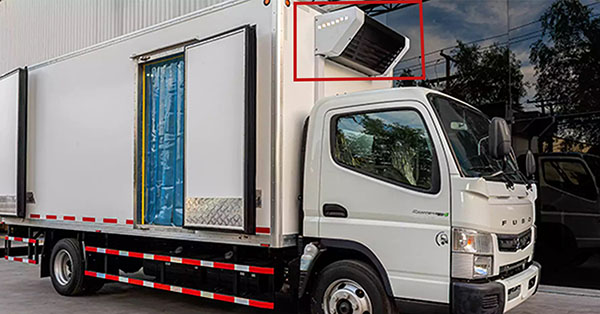
A new generation of truck cooling systems, such as those developed by Corunclima, integrates high-efficiency engine-driven refrigeration units designed for a wide range of commercial vehicles. These systems are built to maintain stable temperatures between +5°C and -20°C, ensuring that both chilled and frozen goods remain in optimal condition throughout long-distance transportation routes (corunclima.com).
Unlike traditional cooling solutions that rely on basic mechanical refrigeration, modern truck cooling systems use advanced compressor technology, multi-fan evaporator structures, and precision digital controllers. For example, models like the V350F and V650F series are engineered with high-performance compressors from leading global brands, combined with optimized condenser and evaporator designs to maximize airflow and cooling efficiency.
One of the key advantages of modern truck cooling systems is their rapid temperature reduction capability. In high-performance configurations, cargo compartments can be cooled down to -20°C in approximately two hours, even under extreme ambient temperatures. This ensures that perishable goods such as meat, dairy products, seafood, and pharmaceuticals are protected from thermal damage during loading, transit, and unloading operations.
Energy efficiency is another major focus of innovation. Traditional refrigeration systems often consume excessive fuel and require continuous engine operation. In contrast, optimized truck cooling systems reduce energy waste by improving heat exchange efficiency and integrating smart defrosting functions, reducing overall operational costs for fleet operators. Some systems also support electric standby operation, allowing cooling to continue even when the vehicle engine is off.
Durability and reliability are essential in harsh logistics environments. Modern systems are designed with corrosion-resistant condensers, reinforced copper tubing, and robust structural components to withstand vibration, humidity, and high-temperature conditions. These improvements significantly extend service life while reducing maintenance frequency and downtime.
Digital control systems further enhance usability by allowing drivers to monitor and adjust temperature settings with precision. Real-time diagnostics and automated protection features help prevent system overload, refrigerant issues, or airflow blockages, ensuring consistent performance during long-haul operations.
The global adoption of advanced truck cooling systems reflects a broader transformation in the cold chain industry. As regulations tighten and sustainability becomes a top priority, logistics companies are increasingly investing in low-emission and energy-efficient refrigeration technologies to reduce their environmental footprint.
Looking ahead, continued advancements in electric refrigeration, smart monitoring systems, and energy recovery technologies are expected to further improve the performance of truck cooling systems. These innovations will not only enhance cargo safety but also contribute to greener and more cost-effective transportation networks worldwide.
In conclusion, the modern truck cooling system is no longer just a supporting component—it has become a core technology driving efficiency, reliability, and sustainability in global cold chain logistics.