
Rapid Adoption of New Energy Refrigerated Box Trucks Accelerates Electrification in Cold Chain Logistics
Driven by the continued segmentation of urban delivery scenarios and the steady growth in demand for fresh food e-commerce and pharmaceutical cold chains, new energy refrigerated box trucks are transitioning from pilot applications to widespread adoption. Since 2026, major domestic commercial vehicle manufacturers have rapidly launched new generations of battery-electric refrigerated models. Concurrently, upgrades in refrigeration units, insulation materials, and battery thermal management technologies are propelling the urban cold chain sector toward a future defined by low-carbon operations, precision, and high efficiency.
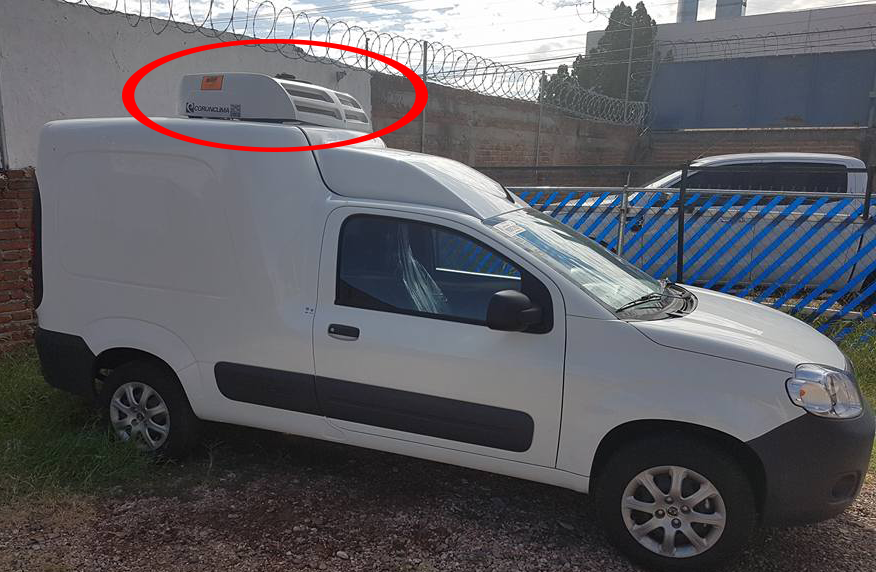
Policy Guidance and Market Drivers: A Dual-Engine Approach to Electrification
At the national level, support for scrapping and replacing older commercial trucks continues, with new energy vehicles for urban cold chain delivery designated as a priority for encouragement. Various regions have introduced detailed measures addressing urban access, parking and loading/unloading, and charging infrastructure, thereby creating the regulatory framework necessary for electric refrigerated trucks to replace internal combustion engine vehicles on a large scale. Against the backdrop of "Dual Carbon" goals and increasingly stringent urban environmental regulations, new energy refrigerated trucks have shifted from being merely an "alternative" to becoming the "preferred choice" for end-users. Industry analysis suggests that advantages regarding road access rights and predictable operating costs are leading logistics companies to favor electric solutions when renewing their fleets. Furthermore, the establishment of zero-emission freight demonstration zones across the country provides real-world operational environments to validate these refrigerated units, further boosting market confidence.
Breakthroughs in Core Technology Reshape Equipment Performance: Synergistic Optimization of Refrigeration Units and Batteries
Technological upgrades serve as the core driving force behind this transformation. In the power battery sector, high-energy-density lithium iron phosphate (LFP) and semi-solid-state battery solutions tailored for cold chain applications are being rapidly deployed. Vehicle manufacturers are utilizing integrated thermal management systems to optimize power distribution between the drive battery and the refrigeration unit, effectively alleviating "range anxiety." Regarding refrigeration units, variable-frequency scroll compressors and intelligent temperature control algorithms have become standard features; these allow for minimal temperature fluctuations within the cargo hold, meeting the multi-temperature zone requirements for diverse goods such as meat, produce, and vaccines. Breakthroughs in insulation materials—specifically new aerogel composite panels—have enabled reduced wall thickness while significantly extending thermal insulation performance. The resulting reduction in the vehicle's curb weight compared to traditional models further enhances operational efficiency. Meanwhile, vehicle manufacturers are shifting from simple "ICE-to-EV" conversions to the forward development of dedicated electric refrigerated chassis. Through optimized battery placement and direct-drive technology for refrigeration units, they are reducing energy consumption and significantly enhancing system reliability.
Adaptability Across Scenarios and Lifecycle Value: A New Landscape for Last-Mile Cold Chain Logistics
The expansion of application scenarios is also noteworthy. Business models such as community group buying, chain restaurants, and central kitchens are placing higher demands on "last-mile" cold chain delivery. Thanks to advantages regarding traffic access rights, low noise levels, and zero emissions, new energy refrigerated vans excel in urban core areas and night-time delivery scenarios. Certain models feature optimized vehicle heights and turning radii, allowing for flexible access to underground garages and narrow alleys, thereby enabling seamless "door-to-door" service. Furthermore, the deep integration of vehicle networking platforms with remote monitoring systems for refrigeration units allows for real-time tracking of data—such as cargo compartment temperature, compressor status, and power consumption—providing a technical foundation for food safety traceability and refined fleet management. Market feedback indicates that while initial purchase costs remain higher than those of traditional fuel-powered refrigerated trucks, the total lifecycle economics are balancing out when factoring in energy consumption, maintenance, and operational convenience. Electric refrigerated units demonstrate a clear advantage in cost-per-kilometer, particularly for high-frequency, short-distance urban transport, leading to steadily rising user acceptance. Commercial vehicle manufacturers are also accelerating product iteration, launching dedicated refrigerated vehicles based on various chassis types—including micro-vans, light buses, and light trucks—to meet diverse load requirements ranging from urban last-mile delivery to regional distribution centers.
Industry experts point out that the adoption of new energy refrigerated vans is not merely a simple conversion from internal combustion engines to electric power; rather, it represents a systematic reinvention of vehicle architecture, refrigeration unit integration, intelligent control systems, and operational models. With the widespread adoption of high-voltage fast-charging technology, the deepening exploration of battery-swapping models in the commercial vehicle sector, and the continuous improvement of cold chain standardization, electric refrigerated equipment is poised to play a role in a broader range of long-haul and feeder transport scenarios. It is foreseeable that, driven by the convergence of policy guidance, technological maturity, and market demand, new energy refrigerated vans will rapidly become the mainstream equipment for urban cold chain distribution, providing solid support for the construction of a green, efficient, and safe modern cold chain logistics system. This process involves not only the transition of transport equipment to new energy sources but will also profoundly impact the efficiency of fresh produce distribution, food safety assurance, and urban environmental management; its long-term significance warrants continued attention.