
The Rise of Electric Refrigeration Units for Box Trucks: Cold Chain Logistics Enters a Green and Silent Era
Against the backdrop of urban delivery services accelerating their transition toward low-carbon operations, electric refrigeration units for box trucks are evolving from a supplementary solution into a mainstream choice. For a long time, the "last mile" of cold chain logistics relied on fuel-driven, independent refrigeration units; these systems were not only energy-intensive and noisy but also disconnected from the broader trend of electrifying the vehicle fleet itself. Today, as pure electric refrigerated trucks are deployed in large numbers across major cities, the corresponding electric refrigeration technologies have experienced explosive growth, and a comprehensive technological upgrade centered on a "Green Cold Chain" is now unfolding deep within the industry.
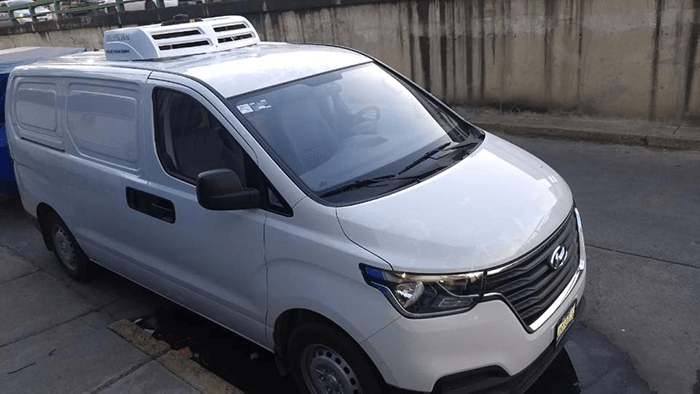
The Inherent Logic Behind Bidding Farewell to the "Fuel-Cooled" Era
Traditional refrigerated trucks typically employ a "dual-fuel" model—combining a fuel-powered chassis with a fuel-powered refrigeration unit. The refrigeration unit draws power from a separate, small diesel engine; consequently, its operation generates not only exhaust emissions but also persistent low-frequency noise. This issue is particularly troublesome during urban night-time deliveries, as many supermarkets, convenience stores, and neighborhood fresh-food shops are situated near residential areas, making the roar of the refrigeration unit during late-night unloading highly prone to triggering noise complaints. More critically, fuel-powered refrigeration units require separate maintenance and refueling—significantly compromising operational convenience and rendering the vehicle's "new energy" status merely nominal.
The advent of electric refrigeration units for box trucks fundamentally resolves this contradiction. These units draw power directly from the new-energy chassis's traction battery, eliminating the need to install an additional engine. This means that the entire vehicle—from propulsion to refrigeration—achieves zero tailpipe emissions throughout its operation, thereby truly meeting the standards of green logistics. Furthermore, the vibration and noise generated by electric compressors during operation are significantly lower than those of their fuel-powered counterparts, making silent night-time deliveries a reality and opening up new opportunities to optimize the efficiency and timeliness of urban logistics.
From Assembly to Integration: Technology Reaches Maturity
Early electric refrigerated trucks often adopted a simple "assembly-based" approach: an independent electric refrigeration unit was merely bolted onto an electric truck chassis, resulting in a lack of electrical synergy between the refrigeration system and the vehicle as a whole. While this method fulfilled basic refrigeration requirements, its energy consumption control was rudimentary, and it was prone to malfunctions such as the depletion of the low-voltage auxiliary battery or power supply mismatches with the high-voltage traction system.
Today, the mainstream technological trajectory has shifted toward deep integration. Refrigeration units are no longer treated as standalone accessories but are now seamlessly integrated into the vehicle's overall thermal management system through a unified design approach. The power battery, electric drive system, cab air conditioning, and cargo compartment refrigeration system either share a common cooling source or engage in energy synergy, thereby significantly boosting energy utilization efficiency. Intelligent variable-frequency control technology has also become widespread; refrigeration units can now automatically adjust compressor speeds based on operating conditions—such as the temperature differential between the interior and exterior, the cargo's set temperature, and the frequency of door openings—to prevent temperature fluctuations and energy waste caused by frequent start-stop cycles.
Precise Temperature Control Safeguards Cargo Safety
The core principle of cold chain transport is maintaining an "unbroken chain," yet chain disruptions most frequently occur during the delivery phase, where temperature fluctuations are most severe. Traditional fuel-powered refrigeration units are constrained by the stability of the vehicle's engine idle speed; consequently, their cooling capacity tends to fluctuate when the vehicle is idling or traveling at low speeds. Electric compressors, however, operate on a completely different principle: directly driven by an electric motor, they offer rapid response times and high control precision, ensuring stable temperatures within the cargo compartment even amidst congested urban traffic. For highly temperature-sensitive cargo—such as fresh produce, frozen foods, pharmaceuticals, and vaccines—this translates into significantly lower spoilage rates and enhanced safety.
Structural Optimization of Operating Costs
From a long-term operational perspective, electric refrigeration units substantially reduce the user's cost burden. Fuel-powered units require frequent replacement of components such as engine oil, oil filters, and spark plugs, entailing an extensive list of maintenance tasks. Electric units, conversely, feature a simple structure—comprising primarily a compressor and an electronic control module—and require virtually no routine daily maintenance. In terms of energy consumption, electric units consume very little power while the vehicle is parked and waiting; traditional fuel-powered units, however, must continue idling under the same conditions, resulting in substantial fuel consumption. As battery energy density increases and charging network coverage expands, the total lifecycle economic advantages of electric refrigerated vehicles are becoming increasingly evident.
The New Standard for Urban Cold Chains
From the core business districts of major metropolitan areas to regional cold chain distribution hubs, electric refrigeration units for cargo vans are gradually displacing traditional fuel-powered units to become the standard configuration for new-energy refrigerated vehicles. This shift not only addresses the stringent urban requirements for noise reduction and emission control but also propels the evolution of cold chain logistics toward a smarter and more reliable future. It is foreseeable that, as collaboration deepens between vehicle manufacturers and refrigeration equipment suppliers, electric refrigeration technology will continue to undergo iterative advancements, injecting even more powerful momentum into China's new green cold chain infrastructure.