
Cargo Van Refrigeration System: Driving the Future of Cold Chain Delivery
The global logistics industry is undergoing a major transformation, and the keyword “cargo van refrigeration system” is at the center of this shift. As demand for fresh food, pharmaceuticals, and temperature-sensitive goods continues to grow, businesses are increasingly turning to advanced refrigeration solutions for cargo vans to ensure reliable, efficient, and compliant cold chain transportation.
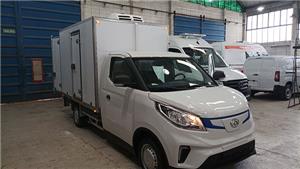
Rising Demand in Last-Mile Cold Chain Delivery
The rapid expansion of e-commerce, grocery delivery, and healthcare logistics has significantly increased the need for refrigerated transport at the last-mile level. Cargo vans, due to their flexibility and urban accessibility, have become the preferred vehicle for short-distance and city distribution.
Unlike large refrigerated trucks, cargo vans are ideal for:
Urban food and grocery delivery
Pharmaceutical and vaccine transport
Catering, floral, and meal kit distribution
Modern refrigeration systems ensure that goods remain at precise temperatures throughout the journey, protecting quality and safety from warehouse to doorstep.
What Is a Cargo Van Refrigeration System?
A cargo van refrigeration system is a compact cooling unit installed on or inside a van to maintain controlled temperatures for perishable goods. These systems can operate as chillers (around 0°C to +5°C) or freezers (down to -20°C), depending on the application.
Today’s systems are increasingly battery-powered and fully electric, allowing them to operate independently from the vehicle engine. This represents a major evolution from traditional engine-driven systems.
For example, modern van refrigeration units can deliver:
Cooling performance down to -20°C for frozen goods
Stable chilled environments around -5°C to +25°C
Compatibility with both electric and diesel vans
Key Technology Trends: Electric and DC-Powered Systems
One of the most important developments in cargo van refrigeration is the shift toward full DC electric systems. These systems use battery power instead of relying on the engine, offering several advantages.
1. Independent Operation
Electric refrigeration units operate independently from the vehicle’s engine, ensuring continuous cooling even when the vehicle is parked or during frequent stops. This is especially important for urban delivery routes.
2. Energy Efficiency and Sustainability
Battery-driven systems produce zero emissions during operation, making them ideal for cities with strict environmental regulations. They also reduce fuel consumption by eliminating engine-driven compressors.
3. Compatibility with Electric Vehicles (EVs)
Modern systems are designed for both fully electric vans and traditional engine vans, making them highly versatile for mixed fleets
Design Innovations Improving Performance
Manufacturers are focusing on compact, efficient designs tailored to cargo vans. Key innovations include:
Integrated DC compressors for simplified installation
Ultra-slim evaporators that maximize cargo space
Smart temperature control systems for precise regulation
Built-in safety protections, such as low-voltage and pressure monitoring
These features allow businesses to transport more goods while maintaining strict temperature requirements.
Applications Across Multiple Industries
Cargo van refrigeration systems are no longer limited to food delivery. Their applications now span multiple industries:
Food & Beverage
Ensures fresh produce, dairy, frozen foods, and ready meals remain safe and high-quality during delivery.
Pharmaceutical & Healthcare
Provides precise temperature control for vaccines, medicines, and biological products that require strict cold chain conditions.
Retail & Specialty Logistics
Supports businesses such as florists, catering services, and meal kit providers that depend on freshness and presentation.
Cost Efficiency and Long-Term Value
Beyond operational performance, cargo van refrigeration systems offer strong economic benefits.
Low maintenance design reduces service costs
Long lifespan (up to 10 years) ensures durability
Energy-efficient operation lowers total cost of ownership
Additionally, simplified installation and modular designs make it easier for fleet operators to scale their refrigerated vehicle operations.
Industry Outlook: Smart, Electric, and Scalable
The cargo van refrigeration market is expected to continue growing as businesses prioritize:
Sustainable logistics solutions
Compliance with food and pharmaceutical regulations
Efficient last-mile delivery
With advancements in battery technology and intelligent temperature control, refrigeration systems are becoming smarter, quieter, and more reliable.