
Transport Refrigeration Unit: Powering the Future of Cold Chain Logistics
In today’s fast-evolving global supply chain, the transport refrigeration unit (TRU) has become a cornerstone technology ensuring the safe delivery of temperature-sensitive goods. From fresh food and pharmaceuticals to chemicals and flowers, modern logistics depends heavily on reliable refrigeration systems that maintain strict temperature control throughout transportation.
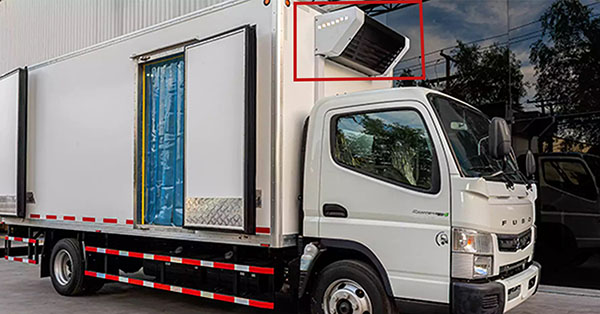
Rising Demand in Cold Chain Logistics
The rapid growth of e-commerce, food delivery, and pharmaceutical distribution has significantly increased the demand for advanced cold chain solutions. Transport refrigeration units—commonly known as “reefers”—are designed to maintain controlled environments inside trucks, vans, trailers, and containers, preventing spoilage and preserving product quality.
A TRU is essentially a refrigeration system installed on a vehicle, capable of both cooling and heating cargo spaces. These systems are widely used across industries where even minor temperature fluctuations can result in product loss or safety risks.
How Transport Refrigeration Units Work
At the core of every transport refrigeration unit lies a vapor compression refrigeration cycle. This process removes heat from the cargo area and releases it outside, ensuring a stable internal temperature.
Key components include:
Compressor – compresses refrigerant gas, increasing pressure and temperature
Condenser – releases heat and converts gas into liquid
Expansion valve – reduces pressure, cooling the refrigerant
Evaporator – absorbs heat from the cargo area to lower temperature
These components work together in a continuous cycle, enabling precise temperature control even during long-distance transportation.
Modern systems also feature:
Digital thermostats and sensors
Real-time monitoring and alerts
Remote telematics for fleet management
Such innovations allow operators to maintain product integrity while improving operational efficiency.
Engine-Driven vs. Electric Refrigeration Units
Transport refrigeration units can be categorized based on their power source:
Engine-Driven Systems
Traditionally, TRUs are powered by diesel engines or the vehicle’s main engine. These systems are robust and suitable for long-haul transportation but may face increasing regulatory pressure due to emissions concerns.
Battery-Driven (Electric) Systems
With the push toward sustainability, electric refrigeration units are gaining popularity. These systems:
Operate using vehicle batteries or independent power sources
Reduce fuel consumption and emissions
Offer quieter operation for urban delivery
Battery-driven solutions are especially suitable for city logistics and last-mile delivery, where environmental regulations are stricter.
Key Benefits of Modern Transport Refrigeration Units
Precise Temperature Control
Advanced sensors ensure consistent temperature for sensitive cargo.Improved Energy Efficiency
Modern designs reduce fuel or power consumption while maintaining performance.Enhanced Cargo Safety
Real-time monitoring minimizes the risk of spoilage or damage.Operational Flexibility
Suitable for a wide range of applications—from small vans to large trailers.Regulatory Compliance
New-generation systems help fleets meet stricter environmental standards.
Applications Across Industries
Transport refrigeration units are widely used in:
Food and beverage distribution
Pharmaceutical logistics
Floral and agricultural transport
Frozen and chilled supply chains
Their ability to maintain temperatures as low as -18°C makes them essential for frozen goods transportation.