
Mobile Truck Freezer System: Advancing the Future of Cold Chain Transportation
As global demand for frozen food, pharmaceuticals, and temperature-sensitive products continues to rise, the keyword “mobile truck freezer system” has become increasingly important in the logistics and transportation industry. Modern freezer systems installed in trucks are now essential for maintaining reliable cold chain operations, ensuring that products remain frozen and protected throughout delivery.
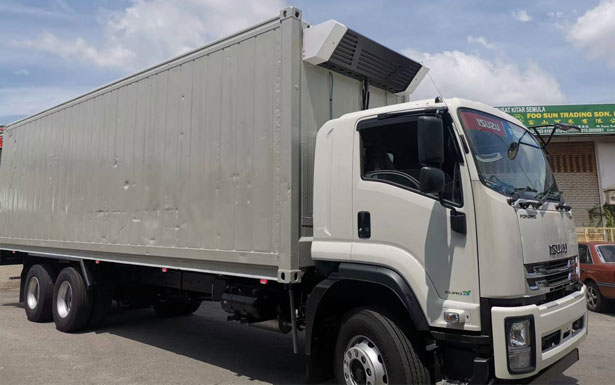
Growing Demand for Mobile Freezer Transportation
The rapid expansion of e-commerce grocery delivery, frozen food distribution, and pharmaceutical logistics has created strong demand for advanced mobile refrigeration technology. Businesses require transportation systems capable of maintaining ultra-low temperatures even during long-distance delivery or high outdoor temperatures.
A mobile truck freezer system is specifically designed to create a stable frozen environment inside refrigerated vehicles. These systems help preserve product quality, extend shelf life, and comply with strict food safety and healthcare transportation regulations. (corunclima.com)
How Mobile Truck Freezer Systems Work
Truck freezer units operate through a vapor-compression refrigeration cycle that removes heat from the cargo compartment. The main components include:
Compressor
Condenser
Expansion valve
Evaporator
Intelligent temperature controller
Engine-driven freezer systems are powered directly by the truck engine, delivering strong cooling performance suitable for medium and large refrigerated vehicles. Modern systems can maintain cargo temperatures as low as -20°C, supporting frozen transportation requirements for seafood, meat, ice cream, and medical products. (corunclima.com)
Key Advantages of Mobile Truck Freezer Systems
1. Reliable Low-Temperature Performance
Advanced freezer systems provide stable cooling even under extreme outdoor temperatures, ensuring frozen goods remain protected during transportation.
2. Improved Cargo Safety
Precise temperature control reduces spoilage and maintains product freshness, which is especially critical for food and pharmaceutical logistics.
3. High Cooling Efficiency
Modern engine-driven units feature optimized compressors and airflow systems that deliver rapid pull-down performance and fast temperature recovery after door openings. (corunclima.com)
4. Fuel-Saving Technology
Many new-generation refrigeration systems are designed with energy-efficient compressors and intelligent controls to reduce fuel consumption while maintaining cooling stability.
5. Adaptability for Multiple Vehicle Types
Mobile freezer systems can be installed on light-duty trucks, medium refrigerated vehicles, and large logistics trucks, offering flexibility for different transportation applications.
Applications Across Industries
Mobile truck freezer systems play a vital role in several sectors:
Frozen Food Distribution: Ice cream, frozen meat, seafood, vegetables
Pharmaceutical Logistics: Vaccines, biological products, temperature-sensitive medicines
Retail and Supermarket Supply: Daily frozen product transportation
Food Service and Catering: Large-scale cold food delivery
As consumers increasingly expect fresh and frozen products delivered quickly and safely, refrigerated truck technology has become a key factor in supply chain competitiveness.
Industry Trends and Innovation
The refrigerated transportation industry is rapidly evolving toward smarter and more sustainable solutions. Manufacturers are integrating:
Digital temperature monitoring
Remote fleet management systems
Eco-friendly refrigerants
Lightweight and aerodynamic unit designs
Corunclima’s engine-driven freezer units, for example, are engineered to deliver strong refrigeration performance while reducing operating costs and maintenance requirements. Their compact structure and durable design make them suitable for demanding logistics environments. (corunclima.com)
Future Outlook
With global cold chain logistics projected to grow steadily over the next decade, demand for efficient mobile truck freezer systems is expected to increase significantly. Urban delivery expansion, pharmaceutical transportation growth, and rising frozen food consumption will continue driving technological innovation in refrigerated transportation.
Electric refrigeration systems and intelligent energy management technologies are also expected to become major trends, helping logistics companies reduce emissions and meet sustainability goals.