
Electric Truck Refrigeration Units Gain Momentum, Driving Cold Chain Logistics onto a Green, Low-Carbon Track
Against the backdrop of growing cold chain logistics demand and mounting pressure to reduce carbon emissions in the transportation sector, the energy source of traditional truck refrigeration units is undergoing a profound transformation. For a long time, refrigerated truck units have relied heavily on diesel engines, which not only consume large amounts of fuel and produce high noise levels but also continuously emit pollutants during operation, making them a notable mobile source of emissions in urban delivery and long-haul transport. In recent years, driven by policy guidance and user acceptance, electric truck refrigeration units—with their significant advantages of zero emissions, low noise, and precise temperature control—have gradually moved beyond the “niche option” label and are accelerating into the mainstream of cold chain transport equipment upgrades, serving as a key driver of the industry’s green transformation.
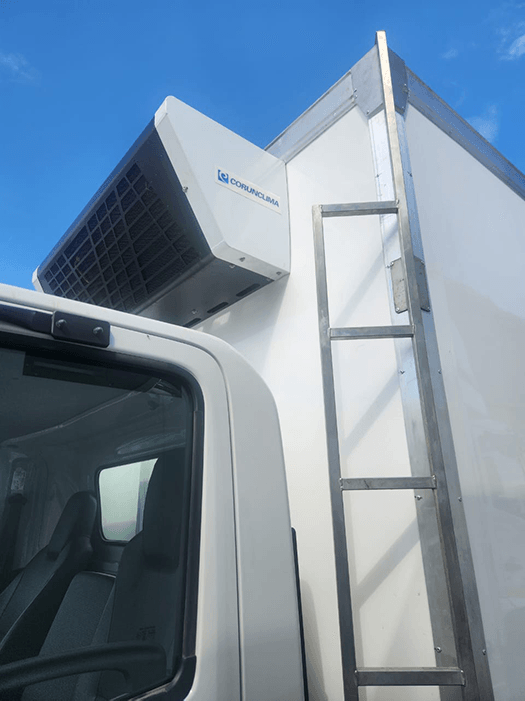
A Technological Leap: From Fuel Power to Full Electric Drive
Traditional refrigerated trucks typically use either independent or non‑independent diesel refrigeration units. Independent units have their own small diesel engine, allowing them to run separately from the truck’s engine, but the overall structure is complex, maintenance costs are high, and combustion during idling tends to be inefficient and heavily polluting. Non‑independent units draw power directly from the truck’s engine. Although they eliminate the need for an auxiliary engine, they require the truck to keep idling during loading, unloading, or traffic jams to power the unit, resulting in significant fuel waste and exhaust emissions.
The fundamental change brought by electric truck refrigeration units lies in completely removing the diesel power unit. These units use a fully sealed variable‑frequency compressor driven by a high‑voltage platform, with electricity supplied by the truck’s traction battery or a separate on‑board energy storage battery. This all‑electric architecture eliminates the complex fuel system, intake/exhaust system, and belt drive found in traditional units, making the unit more compact and lighter, and operating entirely without fossil fuels. By removing the engine—the main source of noise—an electric refrigeration unit runs with little more than the sound of fans. This makes it especially suitable for nighttime deliveries, urban low‑emission zones, and drop‑off points near hospitals or residential areas.
More importantly, the electric unit decouples cooling capacity from the truck’s driving condition. Whether the vehicle is speeding down the highway, crawling through city traffic, or parked with the engine off, the unit can run steadily and maintain the set temperature as long as battery power is sufficient. This feature is critical for goods that are highly sensitive to temperature fluctuations, such as fresh produce, dairy, or pharmaceutical products. It completely eliminates the risk of insufficient cooling when a traditional non‑independent unit is idling or shut down, ensuring that the cold chain truly remains unbroken throughout the journey.
Operational Benefits and Whole‑life Value
From an end‑user perspective, the appeal of electric truck refrigeration units goes far beyond their environmental label. Because the diesel engine and all its associated components are gone, routine maintenance tasks such as oil changes, filter replacements, and fuel injection system servicing are no longer needed. Maintenance frequency and costs are significantly reduced. Meanwhile, the cost advantage of electricity over fuel accumulates over the long term, especially for cold chain vehicles that run many hours per day with high cooling loads. These units offer clear economic value over their full lifecycle.
In terms of operating experience, electric refrigeration units generally support smart features such as remote start/stop, preset temperature control, and self‑diagnostics. A driver can use a mobile phone or on‑board terminal to pre‑cool the cargo space before departure, without having to wait for the unit to warm up or ramp up speed. During the trip, the unit’s operating status and cargo compartment temperature are transmitted in real time to a management platform, and any anomalies trigger an automatic alert, effectively reducing the risk of spoilage. The power management system communicates intelligently with the truck’s traction battery, prioritizing driving safety, and can recharge the refrigeration system when the vehicle is plugged in, achieving coordinated energy efficiency for the entire vehicle.
Reshaping the Green Competitiveness of Cold Chain Logistics
Today, many urban logistics hubs and delivery zones are imposing stricter requirements on the access hours and emission standards of refrigerated vehicles. An electric truck refrigeration unit, paired with a battery‑electric or hybrid refrigerated chassis, can truly deliver zero‑emission performance across both driving and refrigeration, easily meeting low‑emission zone policies. In some regions where cold chain demand is dense, authorities have begun encouraging the full electrification of urban refrigerated delivery vans, and demand for electric refrigeration units is picking up rapidly.
Industry observers note that as battery energy density continues to improve and charging infrastructure becomes more widespread, concerns about range and recharging for electric refrigeration units are gradually fading. Furthermore, the integration of photovoltaic refrigerated bodies and energy storage technology is under exploration, allowing the unit to recharge using solar energy during stops, further boosting energy self‑sufficiency and cleanliness.