
Fully Electric Cooling Units Gain Traction as Logistics and Transport Systems Go Low-Carbon
The global push toward low-carbon transportation and energy efficiency is accelerating the adoption of electric technologies across logistics and mobility sectors. Among these innovations, fully electric cooling units are emerging as a critical solution for temperature control in transport and mobile applications. By operating without fossil fuels, these systems support cleaner operations while meeting the performance demands of modern cooling requirements.
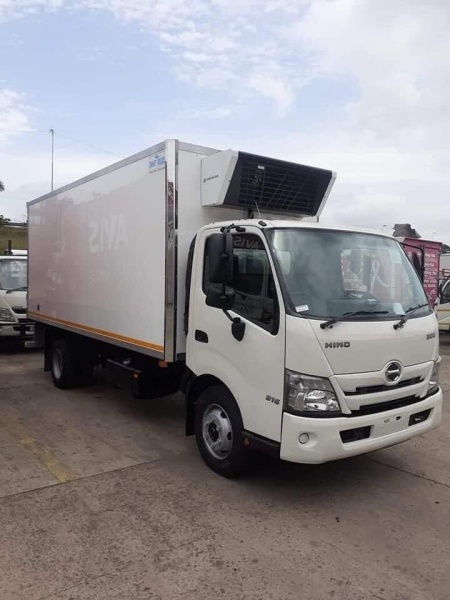
Conventional cooling units often rely on engine-driven or fuel-powered systems, which increase emissions, noise, and maintenance complexity. Fully electric cooling units represent a shift away from this model, offering a streamlined approach that aligns with electrified vehicles and sustainable infrastructure. Their ability to deliver stable cooling using electric power makes them increasingly attractive for fleets and operators seeking long-term efficiency.
Changing Operational Needs Drive Adoption
Modern logistics operations demand cooling solutions that can function reliably under diverse conditions, including frequent stops, extended parking, and variable load profiles. Fully electric cooling units are designed to meet these challenges by maintaining consistent temperature control during both movement and stationary operation. This capability reduces energy waste and supports compliance with environmental and operational regulations.
Manufacturers such as Corunclima are responding to these evolving needs by developing fully electric cooling units optimized for real-world usage rather than legacy system adaptation. These solutions are engineered to integrate smoothly with electric vehicles, battery systems, and smart energy management platforms.
Corunclima’s Fully Electric Cooling Unit Design Focus
Corunclima approaches fully electric cooling unit development with an emphasis on efficiency, reliability, and adaptability. Core design characteristics include:
Electric-Only Power Architecture
Eliminates dependency on fuel-based power sources, supporting zero-emission operation.
Stable Thermal Control
Ensures reliable temperature performance for sensitive cargo and mobile cooling needs.
Intelligent Energy Regulation
Balances cooling demand with available power to optimize overall system efficiency.
Low Acoustic Emissions
Reduced noise output allows operation in urban and mixed-use environments.
Robust System Construction
Designed for continuous operation with reduced maintenance requirements.
Advantages for Operators
Reduced emissions and improved environmental compliance
Lower operational and servicing costs
Compatibility with electric and hybrid platforms
Improved reliability during idle and active periods
Enhanced suitability for urban and regulated zones
Broad Range of Applications
Fully electric cooling units are increasingly used in electric vans and trucks, mobile cold storage systems, healthcare logistics, catering transport, and specialty distribution services. Their flexible design enables deployment across a wide range of industries that require dependable temperature control without environmental trade-offs.
Industry Outlook
As electrification continues to expand across transportation and logistics, fully electric cooling units are expected to play a central role in next-generation thermal management solutions. Continued progress in battery technology and power optimization will further strengthen their performance and adoption.