
Van Electric Refrigeration Units Reshape Temperature-Controlled Urban Logistics
The rapid expansion of electric commercial vehicles is transforming urban delivery networks, particularly in temperature-sensitive logistics. As more fleets adopt electric vans, van electric refrigeration units are becoming an essential component for maintaining product quality while supporting low-emission transport strategies. These systems enable reliable cooling performance without reliance on fuel-powered refrigeration, aligning operational efficiency with sustainability goals.
Urban distribution places unique demands on refrigeration equipment. Frequent stops, limited parking space, and strict environmental regulations challenge traditional diesel-driven cooling systems. Van electric refrigeration units address these constraints by operating on electric power, offering consistent temperature control with reduced noise and zero local emissions.
Operational Context Driving Adoption
Electric vans are widely used for short- and mid-range delivery of fresh food, pharmaceuticals, and healthcare products. Van electric refrigeration units are designed to match this operational profile, providing efficient cooling during both driving and stationary periods. Their compact structure and electrical integration allow seamless installation without significantly affecting vehicle range or cargo space.
Manufacturers such as Corunclima are focusing on refrigeration solutions specifically adapted to electric van platforms. Rather than adapting legacy systems, these units are engineered from the ground up to function efficiently within electric vehicle architectures, ensuring stable cooling under varied load and route conditions.
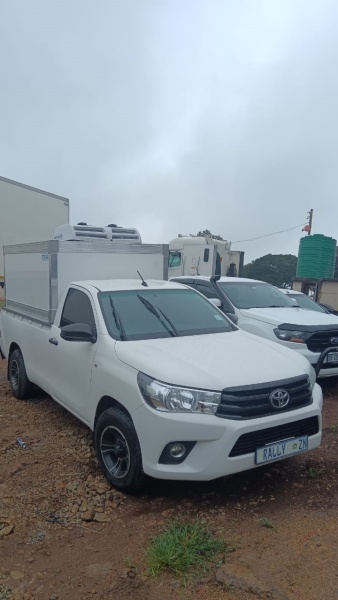
Corunclima’s Van Electric Refrigeration Unit Design Philosophy
Corunclima’s van electric refrigeration units emphasize functional efficiency and long-term reliability. Key design priorities include:
Electric-Driven Cooling System
Operates independently from combustion engines, supporting clean delivery operations.Consistent Temperature Stability
Maintains controlled conditions for temperature-sensitive cargo despite frequent access.Optimized Power Consumption
Intelligent energy management balances cooling demand with vehicle battery capacity.Low Noise Output
Suitable for residential areas, early-morning routes, and nighttime deliveries.Durable Construction
Built to withstand daily commercial use with reduced maintenance requirements.
Benefits for Fleet Operators
Easier compliance with emission and noise regulations
Reduced operational and maintenance costs
Improved compatibility with electric van fleets
Enhanced protection for perishable goods
Strong alignment with sustainability and ESG objectives
Industry Applications
Van electric refrigeration units are increasingly adopted in fresh grocery delivery, pharmaceutical logistics, medical supply transport, catering services, and specialty retail distribution. Their adaptability makes them especially effective for last-mile delivery and high-frequency urban routes.
Market Outlook
As cities continue to promote electric mobility, demand for van electric refrigeration units is expected to grow steadily. Ongoing improvements in battery technology, system efficiency, and thermal management will further enhance their performance and commercial viability.