
Cold Chain Logistics Embraces a Green Transformation: The Accelerating Adoption of All-Electric Truck Refrigeration Units
As global environmental regulations become increasingly stringent and the logistics industry’s demands for operational quality continue to rise, the truck refrigeration unit—the "cold heart" of cold chain transport that has long relied on diesel power—is undergoing a profound transformation in its power source. The maturation and widespread adoption of all-electric refrigeration unit technology are ushering cold chain transportation into a new era characterized by zero emissions, low noise, and intelligent operation.
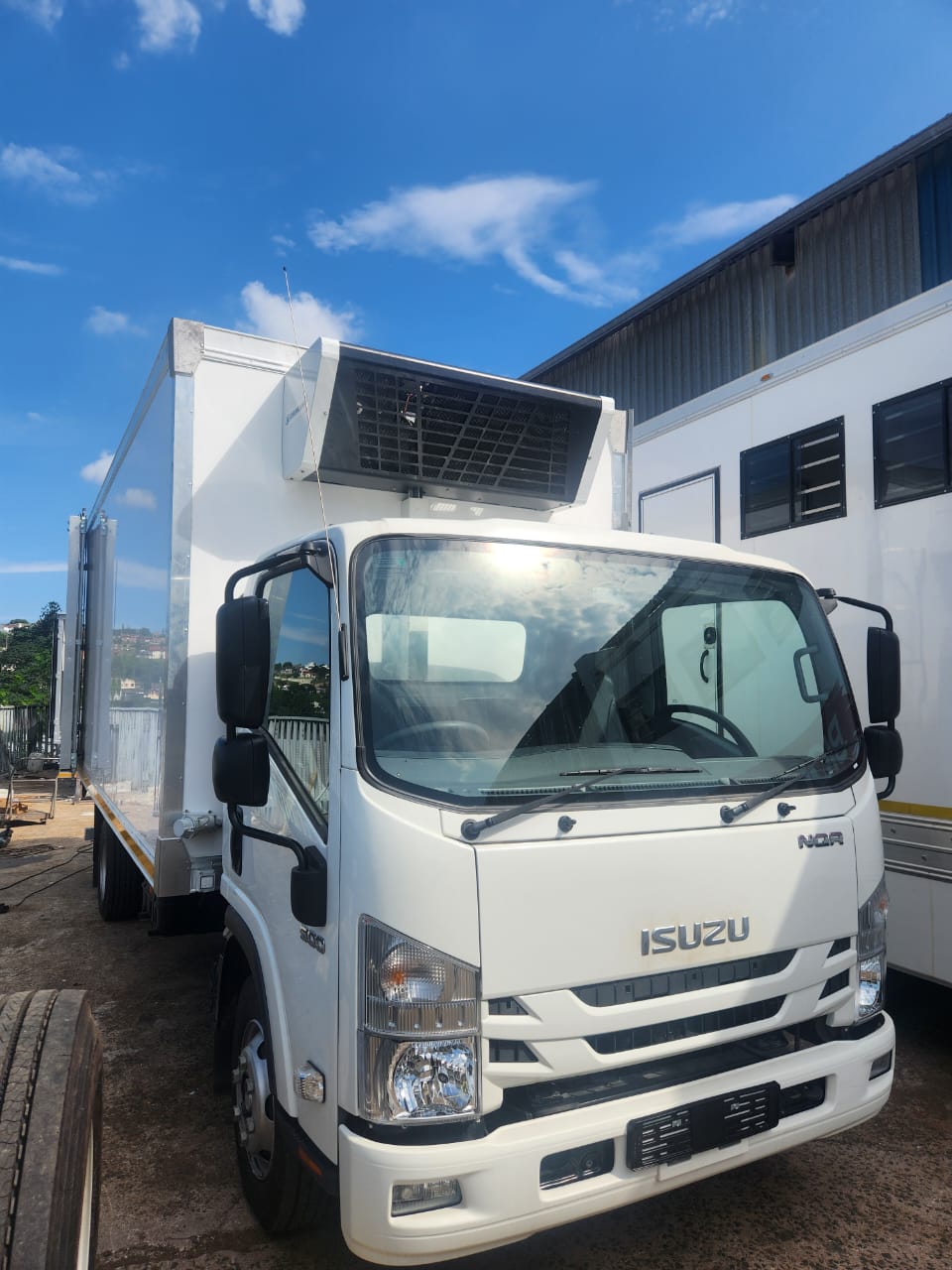
Technological Innovation: From "Diesel-Driven" to an "Electric Heart"
Most traditional refrigerated trucks utilize independent diesel engines to power their refrigeration units. This model not only consumes additional fuel and generates noise that disturbs the public, but its exhaust emissions also make it a major contributor to carbon footprints within the urban distribution sector. The advent of all-electric refrigeration units has fundamentally altered this landscape.
Current mainstream technological approaches fall into two categories: The first is a high-voltage direct-drive solution designed for pure electric commercial vehicles, wherein the refrigeration unit draws power directly from the vehicle's traction battery to achieve cooling via an integrated electric compressor. The second is an independent battery pack solution tailored for traditional fuel-powered vehicles, utilizing a dedicated high-voltage battery pack to supply power to the refrigeration unit. Regardless of the specific approach, all-electric units completely eliminate diesel combustion, thereby achieving zero emissions during the refrigeration process.
Core Advantages: Going Beyond Environmental Friendliness
The reason all-electric refrigeration units are regarded as a major industry trend is that their value extends far beyond mere "zero emissions."
Silent Operation, Breaking Through Operational Constraints: The loud roar of traditional diesel units operating at night often triggers complaints from local communities. In contrast, the nearly silent operation of electric units makes them perfectly suited for noise-sensitive environments—such as nighttime deliveries in residential areas, pharmaceutical cold chains for hospitals, and overnight restocking operations for supermarkets.
Precise Temperature Control, Ensuring Cargo Quality: By combining electric compressors with variable-frequency technology, these units enable far more precise temperature regulation. The system can automatically adjust its cooling output in response to temperature fluctuations within the cargo compartment, thereby eliminating the temperature instability often caused by the frequent start-stop cycles of traditional diesel engines. This provides particularly reliable temperature control assurance for high-value cargo, such as vaccines and fresh produce.
Reduced Total Cost of Ownership: Although the initial procurement cost of electric refrigeration units is slightly higher, they eliminate diesel fuel expenses. Furthermore, given their simpler structure and significantly fewer maintenance requirements compared to diesel engines, their economic advantages in long-term operations are becoming increasingly evident.
Widespread Adoption: From "Optional" to "Standard Equipment"
In recent years, the market application of all-electric refrigeration units has transitioned from the pilot phase to large-scale deployment. In the urban distribution sector, an increasing number of e-commerce platforms and chain restaurant enterprises have designated "zero-emission refrigerated delivery" as a critical component of their green supply chain initiatives. Within the pharmaceutical cold chain sector, the units' stable power supply and precise temperature control capabilities have established them as the preferred technological solution for transporting vaccines and biological agents.
Cold chain logistics enterprises generally report that the combination of all-electric refrigeration units and new-energy refrigerated vehicles is reshaping fleet operational models. Through automotive-grade battery management systems, vehicles can centrally coordinate energy consumption for both refrigeration and propulsion, thereby further optimizing driving range. Some high-end units also feature integrated remote monitoring modules, allowing managers to view cabin temperatures, equipment status, and battery charge levels in real-time, thereby achieving end-to-end visibility throughout the cold chain transport process.
Industry Outlook: Building a New Green Cold Chain Ecosystem
Despite the promising prospects for all-electric refrigeration units, their widespread adoption still faces industry-wide challenges, such as the availability of supporting charging infrastructure and the degradation of battery range in low-temperature environments. In response, stakeholders across the entire supply chain are collaborating to tackle these issues: battery manufacturers are developing cells with superior low-temperature performance; refrigeration unit manufacturers are optimizing low-energy insulation and cooling algorithms; and various cities are accelerating the deployment of dedicated charging facilities for refrigeration units within logistics parks.
Industry experts point out that future competition in refrigerated transport will no longer be a mere contest of individual vehicle or refrigeration unit performance; rather, it will be a comprehensive competition encompassing the integrated design of the vehicle and refrigeration unit, digital temperature control capabilities, and energy management efficiency. Driven by advancements in battery technology and the widespread adoption of high-voltage platforms, all-electric refrigeration units are poised to evolve toward greater efficiency, enhanced intelligence, and deeper integration with the host vehicle.
From the roar of diesel engines to the quiet hum of electric currents—and from basic refrigeration to intelligent temperature control—the widespread adoption of all-electric truck refrigeration units is painting a vision of a greener, more efficient, and more reliable future for cold chain logistics. This represents not merely a shift in power sources, but a pivotal step forward for the entire cold chain industry on its journey toward high-quality development.