
EV Van HVAC Market Expands as All-Electric Climate Control Becomes Essential for Modern Fleets
The global transition toward electrification is rapidly transforming commercial vehicle technology, and EV van HVAC (Heating, Ventilation, and Air Conditioning) systems are emerging as a critical component in this shift. As electric vans gain popularity across logistics, passenger transport, and cold-chain distribution, demand for efficient, independent, and environmentally friendly climate control solutions continues to rise.
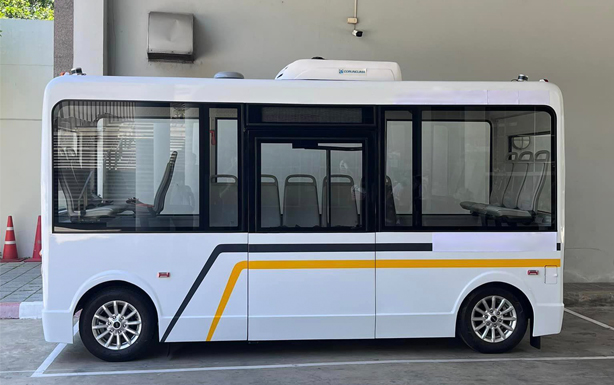
Growing Demand Driven by Electrification and Comfort Needs
With governments and corporations accelerating the adoption of electric vehicles (EVs), fleet operators are facing new challenges in maintaining cabin comfort without compromising vehicle range. Traditional engine-driven HVAC systems are no longer suitable for electric platforms, creating a strong demand for fully electric HVAC systems designed specifically for EV vans.
Modern EV van HVAC systems are engineered to operate independently of the vehicle’s main propulsion system. This allows consistent cooling or heating even when the vehicle is stationary or the engine is turned off—an essential feature for applications such as last-mile delivery, mobile services, and passenger transport.
Technology Advancements in Electric Van Air Conditioning
Recent innovations in EV van HVAC technology are centered around energy efficiency, reliability, and flexibility. Manufacturers like Corunclima are introducing systems that utilize brushless DC compressors, advanced battery protection, and intelligent control systems to optimize performance.
These systems typically offer cooling capacities ranging from 3.8 kW to over 10 kW for vans, and up to 36 kW for larger vehicles, ensuring adaptability across different vehicle sizes and operational requirements.
Key technological features include:
Independent operation: HVAC systems function without draining the main battery excessively, preserving driving range.
Zero-emission cooling: Fully electric operation eliminates CO₂ emissions during use, supporting sustainability goals.
Low maintenance design: Simplified structures and fewer moving parts reduce servicing needs and long-term costs.
Flexible installation: Options include roof-mounted monoblock units and split systems to suit different van configurations.
Applications Across Multiple Industries
EV van HVAC systems are becoming indispensable across a wide range of industries:
Cold-chain logistics: Maintaining stable temperatures for food and pharmaceuticals during transport
Passenger transport: Enhancing comfort for drivers and passengers in shuttle services and urban mobility
Emergency vehicles: Ensuring reliable climate control in ambulances and medical vans
Mobile businesses: Supporting temperature-sensitive equipment and workspace comfort
These applications highlight the growing importance of HVAC systems not only as a comfort feature but as a core operational requirement in electric fleets.
Energy Efficiency and Sustainability Advantages
One of the most significant advantages of EV van HVAC systems is their contribution to sustainability. By enabling engine-off cooling, these systems reduce energy waste and eliminate idle emissions. This is particularly important in urban environments where regulations on emissions and noise are becoming stricter.
Additionally, advanced systems are designed to perform reliably in extreme environments, with some models tested to operate in temperatures up to 50°C and high humidity conditions, ensuring consistent performance across global markets.
Market Outlook: From Optional Feature to Standard Equipment
Industry experts predict that EV van HVAC systems will soon transition from optional upgrades to standard configurations in electric commercial vehicles. As fleet operators prioritize driver comfort, cargo safety, and regulatory compliance, the integration of efficient HVAC systems will become a baseline requirement.
Furthermore, the rise of smart fleet management and IoT integration is expected to enhance HVAC performance through real-time monitoring, predictive maintenance, and energy optimization.