
Truck Freezer Unit: A New Engine Driving Cold Chain Logistics
In recent years, professional manufacturers like Corunclima have been advancing engine-driven freezer unit technology, achieving significant improvements in reliability, energy efficiency, and adaptability.
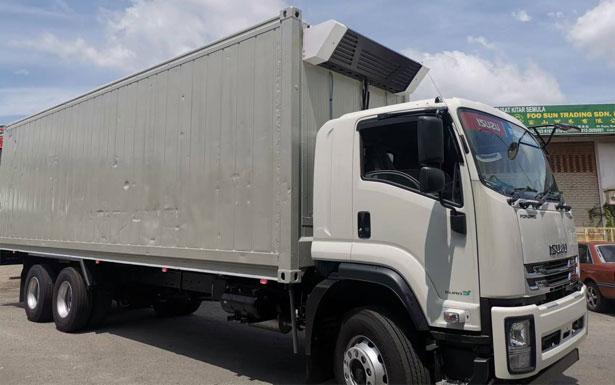
Growing Demand for Truck Freezer Units
Cold chain transportation has evolved from an optional feature into a critical infrastructure. Products such as frozen food, ice cream, vaccines, and medical supplies often require stable temperatures of -18°C or lower during transit.
Engine-driven (direct-driven) freezer units, powered by the vehicle’s engine, have become a mainstream solution for small and medium-sized trucks. Compared to independent diesel units, they offer a simpler structure, lower initial investment, and reduced operating costs—making them ideal for urban distribution and regional logistics.
Advanced Technology and Performance
Taking Corunclima’s Truck Freezer Unit series as an example, the product range covers box volumes from 10m³ to 60m³, meeting diverse transportation needs.
1. Precise Temperature Control
These units can maintain stable temperatures between -18°C and -20°C, ensuring safe frozen transport for sensitive goods.
2. Strong Cooling Capacity
Cooling capacity ranges from approximately 2800W to 7600W, allowing precise matching based on cargo box size:
Small vans (10–14m³): V380F / V450F
Medium trucks (14–22m³): V460F / V660F
Large trucks (22–60m³): V850F / V1100F
This tailored matching improves cooling efficiency and reduces energy waste.
3. High Ambient Temperature Performance
Even in extreme conditions up to 45°C, these units maintain stable operation, making them suitable for markets in the Middle East, Southeast Asia, and Latin America.
4. Intelligent Control System
Digital controller inside the cabin for easy operation
Hot gas defrost system for higher efficiency
Optional electric standby function for stationary cooling
These features enhance reliability and ensure consistent temperature management throughout transportation.
Design Advantages: Efficiency Meets Economy
Truck Freezer Units are designed not only for performance but also for cost-effectiveness:
✔ Lower Initial Investment
Direct-driven systems eliminate the need for a separate engine, reducing upfront costs
✔ Reduced Fuel Consumption
Lower operational costs compared to independent diesel units
✔ Lightweight Structure
Compact design reduces vehicle load and improves fuel efficiency
✔ Flexible Installation
Front-mounted condensers and adaptable evaporator placement suit different vehicle types
Wide Range of Applications
Truck Freezer Units are widely used across various industries:
Frozen food transportation (meat, seafood, ice cream)
Pharmaceutical cold chain (vaccines, medical supplies)
Supermarket and retail distribution
Last-mile urban cold delivery
Their durability and performance have been validated in global markets such as Japan, Mexico, and Australia, proving their reliability in real-world conditions.
Future Trends: Toward Electrification and Smart Systems
With the rise of new energy commercial vehicles, Truck Freezer Units are gradually evolving toward electrification and intelligent monitoring. However, engine-driven systems remain dominant due to their proven reliability and cost advantages.
In the future, the integration of electric standby systems and remote monitoring technologies will further enhance efficiency and operational control.
Conclusion
The Truck Freezer Unit is not just a piece of equipment—it is the backbone of modern cold chain logistics. By ensuring product safety and maintaining strict temperature standards, it plays a vital role in both food security and healthcare.
Driven by continuous innovation from manufacturers like Corunclima, high-performance, cost-effective, and adaptable freezer units will continue to shape the future of global cold chain transportation.