
Truck Refrigeration System Drives the Future of Cold Chain Logistics
As global demand for fresh food, pharmaceuticals, and temperature-sensitive goods continues to rise, the truck refrigeration system has become a critical backbone of modern logistics. These systems ensure that products maintain precise temperature conditions during transportation, protecting quality, safety, and compliance across the supply chain. (Corunclima)
From urban last-mile delivery to long-haul distribution, refrigerated trucks—commonly known as “reefers”—are now indispensable for industries ranging from food service to healthcare. The evolution of refrigeration technology is also reshaping how fleets operate, pushing toward higher efficiency, lower emissions, and smarter temperature control.
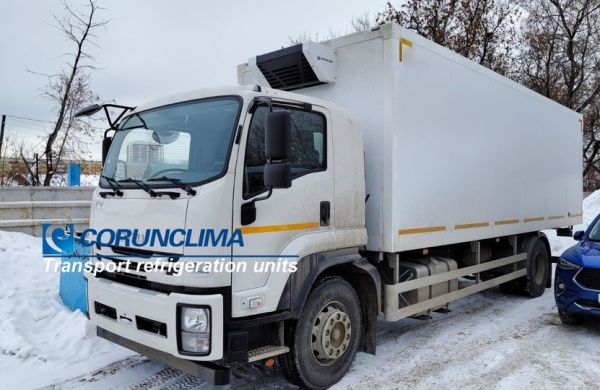
How a Truck Refrigeration System Works
At its core, a truck refrigeration system operates on a vapor-compression cycle, a proven technology used across the HVAC and cooling industry. This process involves four key stages:
Compression – The refrigerant is pressurized into a high-temperature gas.
Condensation – Heat is released, turning the gas into liquid.
Expansion – Pressure drops, cooling the refrigerant rapidly.
Evaporation – The refrigerant absorbs heat from the cargo space, lowering its temperature. (Corunclima)
These systems rely on essential components such as compressors, condensers, evaporators, and expansion valves, all managed by digital temperature control systems that ensure consistent performance during transit.
Technological Breakthroughs in Modern Systems
1. Shift to Electric Refrigeration
One of the most significant trends is the transition from traditional engine-driven or diesel-powered systems to all-electric refrigeration units. These systems operate independently from the vehicle engine, eliminating idling and reducing fuel consumption.
For example, modern 48V electric systems provide:
Zero emissions during operation
Reduced noise for urban deliveries
Independent power supply without draining the vehicle battery (Corunclima)
This shift aligns with stricter environmental regulations and the rapid adoption of electric vehicles in logistics fleets.
2. Independent Power and Energy Efficiency
Advanced truck refrigeration systems now feature dedicated lithium battery packs, enabling continuous cooling even when the vehicle is turned off. This innovation offers:
Up to 25% fuel savings by eliminating engine idling
Stable temperature control during stops and driver breaks
Improved operational flexibility for long-haul transport (Corunclima)
Such systems are especially valuable in urban environments where anti-idling regulations are enforced.
3. High Cooling Capacity and Precision Control
Modern refrigeration units can achieve temperatures as low as -20°C, making them suitable for transporting frozen goods such as meat, seafood, and pharmaceuticals. (Corunclima)
Additionally, digital monitoring systems allow operators to:
Track temperature in real time
Adjust settings remotely
Ensure compliance with cold chain standards
This level of control significantly reduces the risk of spoilage and product loss.
4. Flexible System Types
Truck refrigeration systems are no longer one-size-fits-all. Today’s market includes:
Engine-driven units – Powered directly by the truck engine
Independent units – Equipped with separate engines or batteries
Electric systems – Fully battery-powered and emission-free
Hybrid solutions – Combining multiple power sources
Each type is designed to meet specific operational needs, from small delivery vans to large refrigerated trucks handling heavy loads. (Corunclima)
Key Applications Across Industries
Truck refrigeration systems play a vital role in multiple sectors:
Food & Beverage – Maintaining freshness of dairy, meat, and produce
Pharmaceuticals – Ensuring safe transport of vaccines and medicines
Floral Industry – Preserving delicate flowers during transit
E-commerce & Retail – Supporting rapid growth in cold-chain delivery
Their ability to maintain stable temperatures in diverse climates makes them essential for global trade and local distribution alike.