
Electric Truck Refrigeration Units Accelerate Adoption; Green Cold Chain Transport Ushers in a New Transformation
As global efforts to combat climate change continue to advance, the pace of green transformation within the transportation sector is accelerating. Within the cold chain logistics segment—a sector historically characterized by high energy consumption and high emissions—electric truck refrigeration units are emerging as a central focus of industry attention. Unlike traditional refrigeration equipment that relies on diesel engines for power, electric truck refrigeration units operate by drawing power from the vehicle's main battery pack or an independent electric drive system. Boasting significant advantages such as zero emissions, low noise levels, and high energy efficiency, these units are driving cold chain transport toward a cleaner, smarter, and more sustainable development path.
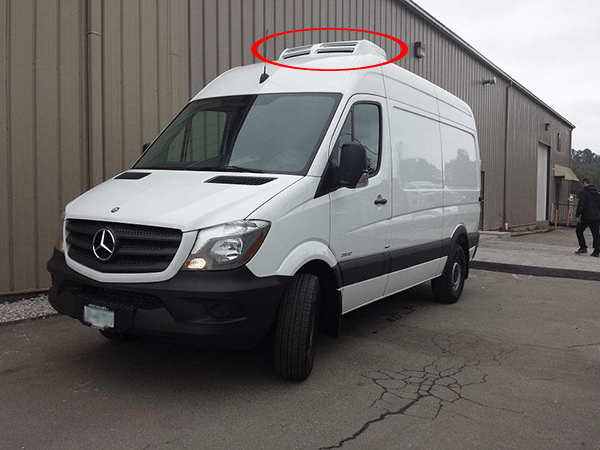
Pressing Challenges in Traditional Refrigeration Await Resolution
For a long time, truck refrigeration units have predominantly utilized small diesel engines as their power source. While these units are capable of meeting refrigeration and temperature-retention requirements during independent operation, they have consistently presented issues regarding fuel consumption and exhaust emissions. These issues become particularly acute in scenarios involving urban distribution, nighttime transport, and operations in the vicinity of hospitals or residential areas, where the noise and pollutant emissions generated by diesel units create increasingly prominent conflicts. With the rapid proliferation of new energy trucks across urban distribution, intercity transport, and even long-haul trunk routes, the demand for complementary electric refrigeration units has naturally emerged, establishing them as an indispensable component in the broader electrification of commercial vehicles.
Two Major Technical Pathways Develop in Parallel
From a technical perspective, electric truck refrigeration units currently on the market generally fall into two main categories: low-voltage systems and high-voltage systems. Low-voltage systems are designed for light-duty electric box trucks; featuring relatively simple structures and lower retrofit costs, they are widely deployed in last-mile urban cold chain distribution. High-voltage systems, conversely, target medium-to-heavy-duty electric trucks. By drawing directly from the vehicle's high-voltage power battery, these systems deliver superior cooling capacity and higher energy efficiency, thereby meeting the rigorous demands for temperature stability and operational range required by long-haul cold chain transport. Concurrently, the trend toward integrated vehicle thermal management is fostering a gradual convergence of refrigeration units with battery thermal management systems and cabin air conditioning systems. Through unified control strategies, this integration aims to reduce overall energy consumption and enhance the comprehensive efficiency of the entire system.
Green and Silent Advantages Come to the Fore
In practical application, the distinct advantages of electric truck refrigeration units are becoming increasingly evident. The absence of a standalone small diesel engine significantly reduces vehicle maintenance requirements while simultaneously eliminating the additional fuel consumption and mechanical risks associated with diesel engine idling. The near-silent operation during transit allows cold chain delivery vehicles to operate flexibly in urban areas during late-night or early-morning hours, thereby extending available delivery windows. For cold chain operators, pairing electric refrigeration units with new-energy vehicles makes it easier to comply with increasingly stringent regulations regarding low-carbon transport, while also helping to cultivate a "green" brand image.
Accelerating Refinement of the Standards Framework
Concurrently, the industry's standards framework is undergoing rapid refinement. Technical specifications addressing the functional configurations, safety requirements, and energy efficiency ratings of new-energy refrigerated vehicles are being successively introduced. These regulations explicitly prioritize the adoption of new-energy or clean-energy vehicles for urban refrigerated distribution fleets. The electrification of refrigeration units is no longer viewed merely as a technical upgrade; rather, it has been formally integrated into the comprehensive evaluation framework for the green development of cold chain logistics. It is foreseeable that—driven by the dual forces of regulatory standards and market demand—the technological maturity of electric truck refrigeration units will continue to advance. As costs gradually decrease, these units will see accelerated market penetration across a diverse range of vehicle models, spanning various tonnage classes and transport radii.
Stepping into a New Era of Zero-Carbon Cold Chains
Looking ahead, the evolution of electric truck refrigeration units will trend toward higher efficiency, greater system integration, and more intelligent control capabilities. As high-voltage vehicle platforms continue to advance, the synergistic integration between refrigeration units and the vehicle's electronic control systems will become increasingly seamless. Advanced features—such as intelligent temperature control, remote monitoring, and energy-saving pre-cooling—are poised to become standard equipment. Against the backdrop of "Dual Carbon" goals, electric truck refrigeration units are no longer mere auxiliary components; they have emerged as a critical link in enabling cold chain transport to truly achieve a zero-carbon closed loop. From urban "last-mile" delivery to inter-provincial trunk-line transport, green, quiet, and highly efficient electric truck refrigeration units are quietly transforming the operational landscape of cold chain logistics. As the adoption rate of new-energy commercial vehicles continues to rise, the era of fully electrified cold chain transport is rapidly approaching.