
Refrigeration Units for Electric Box Trucks: Injecting New Momentum into the Green Cold Chain
Against the backdrop of an accelerating transition toward new energy sources in urban delivery, electric box trucks are emerging as the backbone of cold chain logistics. As core components ensuring an unbroken cold chain throughout the entire journey, electric refrigeration units—in terms of both technological innovation and market application—are garnering increasing attention within the industry. Currently, refrigeration equipment manufacturers and vehicle OEMs are joining forces to drive a comprehensive upgrade of electric refrigeration units, steering them toward greater efficiency, intelligence, and lightweight design.
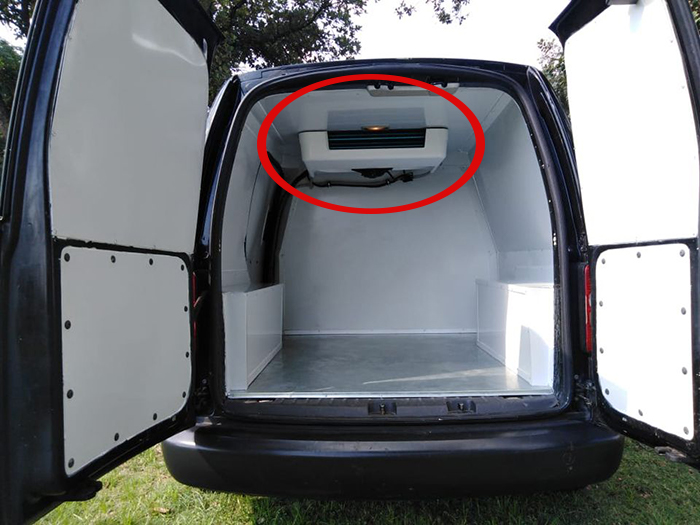
From Fuel-Driven to All-Electric Propulsion
Traditional fuel-powered refrigerated trucks typically rely on the vehicle's engine or a small, independent diesel engine to drive their refrigeration units. This operational method presents several drawbacks, including high energy consumption, significant noise generation, and exhaust emissions. With the growing popularity of electric trucks, the method of power take-off has undergone a fundamental shift, giving rise to independent, all-electric refrigeration units. These units draw power directly from the vehicle's traction battery; utilizing DC variable-frequency compressors, high-efficiency heat exchangers, and intelligent control systems, they achieve precise temperature regulation within the cargo compartment. This design completely eliminates idle-state emissions and additional fuel consumption, thereby ushering cold chain transportation into a truly "green" era.
Technological Upgrades: Greater Precision and Intelligence
On the technological front, the new generation of electric refrigeration units has achieved significant advancements. The application of DC variable-frequency technology enables the unit to automatically adjust its cooling output based on real-time temperature readings and load fluctuations within the compartment. This eliminates the energy waste and temperature instability often associated with the frequent start-stop cycles of traditional fixed-frequency units. Furthermore, thanks to the use of novel lightweight materials and compact structural designs, these units are smaller and lighter; this frees up valuable cargo space within the compartment and minimizes the impact on the vehicle's driving range. Certain high-end models also integrate remote monitoring and intelligent diagnostic capabilities, allowing fleet managers to access real-time data—including compartment temperature, unit operational status, and energy consumption metrics—via terminal devices. In the event of an anomaly, managers receive immediate alerts, thereby significantly enhancing both the safety and operational efficiency of cold chain transportation.
Highlighting Energy-Saving and Environmental Benefits
Energy conservation and environmental protection constitute the most prominent advantages of electric refrigeration units. By eliminating the need for an independent diesel engine, these units generate zero exhaust emissions throughout their entire operation. Moreover, noise levels are drastically reduced, making them ideally suited for use in residential areas with strict noise regulations, as well as for night-time delivery operations. Furthermore, through the integrated design of the vehicle's thermal management system, the electric refrigeration unit can operate synergistically with other functions—such as the cabin air conditioning and battery thermal management—to achieve cascaded energy utilization. For instance, during winter, waste heat generated by the electric motor and control system can be harnessed to provide auxiliary heating for the cargo compartment; conversely, in summer, priority is given to ensuring effective heat dissipation for the power battery. This approach results in a significant improvement in overall energy efficiency compared to traditional solutions, thereby further extending the vehicle's driving range.
Policies and Infrastructure: A Concerted Effort
A favorable policy environment provides robust support for the development of electric refrigeration units. The government continues to drive the electrification of urban freight vehicles, having introduced a range of incentive measures specifically for new-energy refrigerated trucks—including purchase subsidies, priority road access rights, and the provision of supporting charging infrastructure. Concurrently, various regions are accelerating the improvement of cold chain logistics infrastructure, with charging networks surrounding major logistics parks and agricultural wholesale markets becoming increasingly comprehensive. These initiatives effectively lower the barriers to entry for operating electric refrigerated trucks, thereby indirectly stimulating sustained market demand for high-quality electric refrigeration units.
Outlook: Moving Toward Standardization and Intelligence
As consumer market demands for high-quality cold chain delivery services—covering items such as fresh food and pharmaceutical products—continue to rise, a refrigerated transport model characterized by an unbroken cold chain and temperature traceability is fast becoming the industry standard. As a critical component for safeguarding the quality and freshness of goods during the "last mile" of delivery, electric refrigeration units are rapidly advancing in terms of both technological maturity and cost-effectiveness. It is foreseeable that, driven by the dual forces of green, low-carbon initiatives and digital transformation, electric refrigeration units for cargo vans will encounter even broader opportunities for growth, serving as a vital technological pillar for the standardized, intelligent, and clean development of urban cold chain logistics.