
EV Van HVAC System: Powering the Next Generation of Electric Mobility Climate Solutions
Rising Demand for Electrified Climate Control
Electric vans are increasingly deployed in urban delivery, cold-chain logistics, and service industries. As their adoption grows, so does the need for reliable heating, ventilation, and air conditioning (HVAC) systems that can function independently of engine operation.
Traditional systems rely on belt-driven compressors, which are incompatible with fully electric platforms. In contrast, EV HVAC systems utilize electric compressors powered directly by onboard batteries, enabling continuous cooling even when the vehicle is parked or charging.
This capability is particularly valuable in real-world operations such as last-mile delivery, where frequent stops require stable cabin temperatures without unnecessary energy waste.
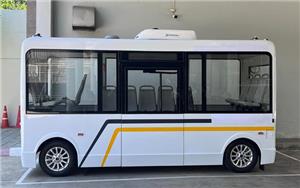
Fully Electric Operation: Efficiency Meets Sustainability
One of the defining characteristics of modern EV van HVAC systems is their full DC electric architecture. Systems developed by companies like Corunclima operate using battery voltages ranging from 12V to 72V or higher, eliminating the need for mechanical compressors altogether.
This design offers multiple advantages:
Zero engine dependency, allowing operation in engine-off conditions
Reduced energy consumption, helping preserve driving range
Lower emissions, supporting environmental sustainability goals
Decreased mechanical wear, extending vehicle lifespan
Additionally, many systems integrate brushless DC compressors, which adjust output dynamically based on cooling demand, improving efficiency and reducing unnecessary power draw.
Advanced Performance for Commercial Applications
Modern EV van HVAC systems are engineered to meet the demanding conditions of commercial use. Whether operating in high-temperature regions or high-frequency stop-and-go urban routes, these systems deliver stable and rapid cooling performance.
For example, high-capacity models such as roof-mounted units can achieve cooling outputs of up to 10.0 kW (34,000 BTU), making them suitable for medium to large van compartments.
Meanwhile, flexible configurations—including monoblock rooftop systems and split installations—allow adaptation to different vehicle designs and space requirements.
Another critical feature is fast cooling capability, with some systems capable of delivering noticeable temperature drops within minutes—essential for driver comfort and cargo protection in extreme climates.
Engine-Off Comfort and Operational Flexibility
A major advantage of EV HVAC systems is their ability to maintain climate control without running the vehicle motor. This feature enhances both driver comfort and operational flexibility, especially during:
Delivery stops
Loading and unloading operations
Rest periods
Charging sessions
By eliminating the need for idling, operators can significantly reduce energy waste and operational costs while maintaining a comfortable interior environment.
Simplified Installation and Low Maintenance
Compared to traditional systems, EV van HVAC units are designed for easy installation and minimal maintenance. Many models feature:
Pre-charged refrigerant systems
Integrated compressors
Plug-and-play electrical connections
These features reduce installation time and complexity, making them ideal for fleet retrofits and new vehicle integration.
In addition, the absence of engine-driven components results in fewer moving parts, lowering maintenance requirements and improving long-term reliability.
Enhancing Sustainability and Fleet Economics
With rising fuel costs and stricter emissions regulations, fleet operators are under increasing pressure to optimize efficiency. EV HVAC systems contribute directly to these goals by:
Reducing fuel dependency
Supporting zero-emission vehicle operation
Lowering total cost of ownership (TCO)
Improving driver productivity and comfort
The transition to electric HVAC aligns with broader trends in electrification, where every subsystem—from propulsion to climate control—is being redesigned for efficiency and sustainability.