
Refrigeration Systems for Electric Box Trucks Accelerate into a New Era of Green Intelligence
Driven by the dual forces of the "Dual Carbon" goals and the rapid expansion of cold chain logistics demand, the industry for electric box truck refrigeration systems is undergoing a profound transformation. This year, the sector has witnessed a simultaneous surge in technological innovation and market adoption. Efficiency, intelligence, and sustainability have become the core themes across the entire value chain, as the "cold power" of new energy refrigerated trucks redefines the future landscape of urban distribution and short-haul cold chain transport.
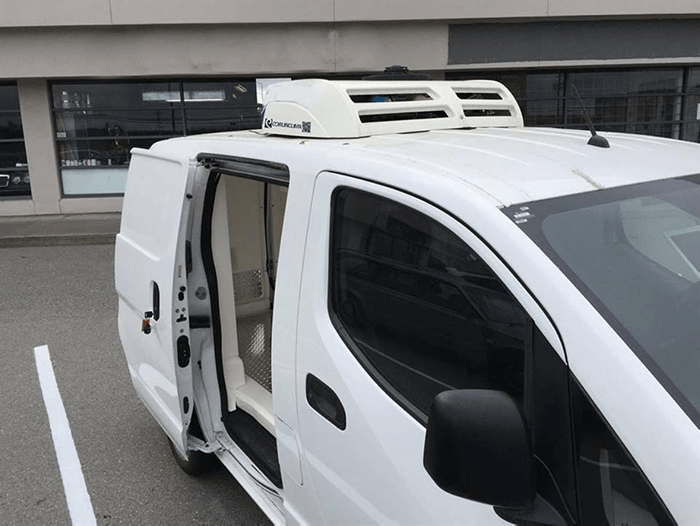
Policy and Market Synergy Accelerate Industry Momentum
As national support for green transportation and low-carbon logistics intensifies, the adoption of new energy commercial vehicles is accelerating significantly. Serving as a vital link between farms and urban dining tables, electric refrigerated trucks have highlighted the critical importance of their associated refrigeration systems. Driven by policies encouraging the renewal of commercial vehicle fleets, cold chain logistics companies are increasingly turning to zero-emission, low-noise electric refrigeration solutions, propelling the industry's transition from traditional internal combustion engines to pure electric drive systems. This positive market response has prompted manufacturers to ramp up R&D investment; a wave of new products and technologies is now hitting the market, and the synergistic effects within the supply chain are beginning to emerge.
Breakthroughs in Core Technology: Boosting Both Refrigeration Efficiency and Intelligence
The industry is experiencing revolutionary progress in core refrigeration technologies. Major breakthroughs have been achieved in high-efficiency electric compressor technology; new centrifugal compressor designs—capable of ultra-high-speed operation—offer significant advantages over traditional structures in terms of size, weight, and noise control. These systems also support wide-voltage heat pump operations and utilize eco-friendly refrigerants, resulting in a substantial boost to overall energy efficiency. Furthermore, the maturation of oil-free design technology has led to longer maintenance intervals and enhanced reliability, ensuring stable, long-term operation in commercial settings.
Simultaneously, artificial intelligence is being deeply integrated into refrigeration control systems. Next-generation smart units now deliver ultra-precise temperature control and utilize predictive maintenance algorithms to effectively mitigate the risk of unexpected breakdowns. By monitoring cargo thermal loads and environmental changes both inside and outside the truck body in real-time, the system automatically optimizes cooling output, achieving significant energy savings while maintaining superior temperature control quality. The widespread adoption of heat pump technology is equally noteworthy; its heating efficiency far surpasses that of traditional electric heating methods. Particularly in cold regions, it significantly reduces winter energy consumption, effectively addressing the issue of reduced driving range in all-electric vehicles during low-temperature conditions.
Synergy Between Vehicle and Cooling Unit: Enhanced Adaptability to Operational Scenarios
The deep integration of refrigeration equipment with electric chassis is becoming a key focus for vehicle manufacturers. To meet the diverse transport needs of urban cold chain distribution, major automakers are collaborating closely with refrigeration equipment suppliers to launch comprehensive solutions covering various temperature zones—such as fresh produce preservation, frozen storage, and temperature-controlled pharmaceutical transport. Continuous upgrades in cargo box sealing techniques and thermal insulation materials, combined with the precise temperature control of high-efficiency cooling units, enable electric refrigerated trucks to maintain a stable internal environment across different cargo types and external weather conditions. Meanwhile, ongoing lightweight design efforts help reduce the vehicle's curb weight and increase payload capacity, further optimizing operational cost-efficiency.
A Clear Future: Intelligence and Integration Driving Industry Upgrades
Looking ahead, the development trajectory for electric van refrigeration equipment is becoming increasingly clear. Zero-emission operation will remain a core requirement, driving the deep integration of refrigeration systems with the vehicle's power battery electrical architecture. The adoption of higher-voltage platforms will further boost the operating efficiency of key components, such as compressors. In terms of intelligence, dynamic energy management algorithms—based on road conditions, real-time weather, and cargo characteristics—will become widespread; refrigeration systems will shift from passive response to active participation in vehicle energy management, achieving optimal energy efficiency across the entire product lifecycle. Furthermore, modular and integrated design concepts will reduce installation and maintenance complexity, enhance product standardization, and accelerate the industry's scale-up.
Driven by the convergence of green development and technological innovation, electric van refrigeration equipment is steadily injecting continuous "cooling" power into the low-carbon transformation of cold chain logistics. A new era of cold chain operations—characterized by greater efficiency, intelligence, and cleanliness—has already begun.