
Auxiliary AC for Electric Van: The New Backbone of Urban Cold-Chain Logistics
In recent years, the rapid growth of e-commerce, fresh food delivery, and pharmaceutical transportation has accelerated the demand for reliable temperature-controlled logistics. As electric vans become more widely adopted in last-mile delivery fleets, the need for efficient cooling systems that do not rely on combustion engines has become a critical challenge. Among the most important innovations addressing this challenge is the auxiliary air conditioning (AC) system for electric vans, especially integrated refrigeration and cooling units designed for zero-emission vehicles.
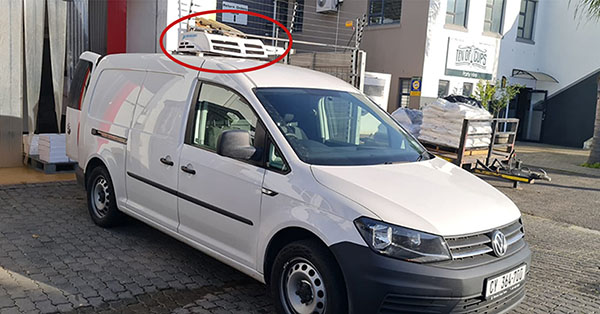
Rising Demand for Cooling in Electric Vans
Traditional refrigerated vans rely on engine-driven compressors to power cooling systems. However, electric vans do not have a continuously running internal combustion engine, making it impossible to use conventional mechanical AC systems. This limitation has led to the development of auxiliary electric AC systems that operate independently from the drivetrain, powered instead by high-capacity vehicle batteries or dedicated auxiliary battery packs.
Companies such as Corunclima have introduced a range of all-electric transport refrigeration units specifically designed for electric and hybrid vans. These systems support last-mile delivery scenarios where temperature stability is essential, including fresh food, frozen goods, and medical supplies transportation .
What Is an Auxiliary AC System?
An auxiliary AC system in an electric van is a standalone cooling solution that includes:
An electric compressor (DC-powered)
Condenser and evaporator units
Intelligent control system
Optional auxiliary battery pack
Standby AC input (110V/220V in some models)
Unlike engine-driven systems, auxiliary AC units operate fully on electricity. This makes them ideal for electric vans such as BYD T3, Renault Kangoo Z.E., Nissan e-NV200, and similar EV platforms used in urban logistics fleets.
Conclusion
The auxiliary AC system for electric vans represents a crucial technological bridge between electrified transportation and temperature-sensitive logistics. By replacing traditional engine-driven refrigeration with intelligent, energy-efficient electric cooling solutions, the industry is enabling a new era of sustainable urban delivery.
With continuous improvements in battery technology and system efficiency, auxiliary AC systems are set to become one of the most important components in the electric van ecosystem—ensuring that the future of logistics is not only electric, but also reliably cold.