
EV Van Refrigeration Units Drive the Future of Sustainable Cold Chain Transportation
The growing adoption of electric commercial vehicles is accelerating demand for efficient, low-emission refrigeration solutions designed specifically for EV vans.
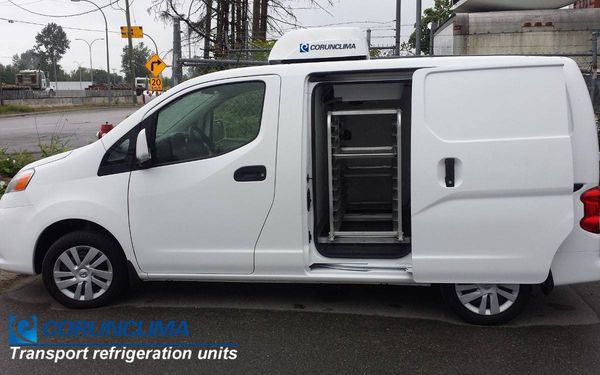
As global logistics companies continue to transition toward cleaner transportation, EV van refrigeration units are becoming a key technology supporting the future of urban cold chain delivery. From fresh food distribution and pharmaceutical transportation to last-mile grocery services, electric refrigerated vans require advanced cooling systems that can operate efficiently without compromising vehicle range or delivery performance.
Unlike traditional refrigeration systems powered by engine-driven compressors, modern electric refrigeration units are designed to work independently through vehicle batteries or dedicated electric power sources. This development provides fleet operators with a more sustainable solution while reducing fuel consumption, emissions, and operational noise in urban environments.
Industry suppliers are now focusing on developing compact, energy-efficient refrigeration technologies that meet the unique requirements of electric vans. Among these solutions, battery-powered refrigeration units have gained attention due to their simple installation, reliable temperature control, and compatibility with various electric commercial vehicle platforms.
Rising Demand for Electric Refrigerated Vans
The rapid growth of e-commerce, food delivery, and pharmaceutical logistics has created increasing demand for temperature-controlled transportation. Traditional diesel-powered refrigerated vans have long been used for these applications, but stricter environmental regulations and rising operating costs are encouraging businesses to explore electric alternatives.
Electric vans offer several advantages for urban distribution, including zero tailpipe emissions, lower maintenance requirements, and quieter operation. However, refrigeration remains one of the biggest challenges because cooling systems must maintain stable temperatures while minimizing additional battery consumption.
For fleet operators, choosing the right EV van refrigeration unit is becoming essential. The ideal system must provide strong cooling performance, low energy consumption, flexible installation options, and reliable operation under different climate conditions.
Electric Refrigeration Technology Designed for EV Vans
New-generation EV van refrigeration units use fully electric compressors and DC power systems to deliver cooling performance without relying on vehicle engines. This design allows refrigeration to operate even when the van engine is not running, making it particularly suitable for delivery vehicles that frequently stop during urban routes.
Corunclima’s electric van refrigeration solutions, for example, are developed for both fully electric vans and conventional vehicles. Their battery-driven refrigeration units have been applied to multiple electric vehicle platforms, including models such as Maxus e-Deliver series, Mercedes-Benz eSprinter, Nissan e-NV200, BYD T3, and Renault Kangoo Z.E.
The systems are designed with integrated DC electric compressors, helping simplify installation while reducing the need for additional mechanical components. Compact evaporator designs also help preserve cargo space, which is especially important for small and medium-sized delivery vans where every cubic meter matters.
Meeting Different Cooling Requirements
Different industries require different temperature ranges. Fresh food delivery typically requires chilled environments, while frozen products and pharmaceutical applications may require much lower temperatures.
Modern EV van refrigeration units are available in various configurations to meet these needs. For example, Corunclima provides models designed for chilled transport at approximately -5°C and freezer applications reaching around -20°C. These solutions are suitable for different van sizes, from compact delivery vehicles to medium-sized cargo vans.
This flexibility allows businesses to select refrigeration equipment based on cargo type, vehicle size, and delivery requirements.
For food retailers, reliable cooling helps maintain product quality throughout transportation. For pharmaceutical companies, precise temperature management is critical for protecting sensitive products such as vaccines and medicines. As regulations surrounding cold chain transportation become increasingly demanding, dependable refrigeration technology will play an even greater role.