
Electric Refrigeration Units for Box Trucks Enter the Fast Lane: A New Engine for the Green Upgrade of Cold Chain Logistics
Driven by the dual forces of "Dual Carbon" goals and consumption upgrades, the cold chain transport industry is undergoing a profound transformation in its power systems. As a core component of refrigerated trucks, electric refrigeration units are gradually replacing traditional fuel-powered systems—thanks to their clean, efficient, and intelligent nature—and becoming the preferred choice for urban distribution and short-haul cold chain transport. This shift not only marks a technological leap in transport equipment but also propels the entire logistics chain toward low-carbon operations and refined management.
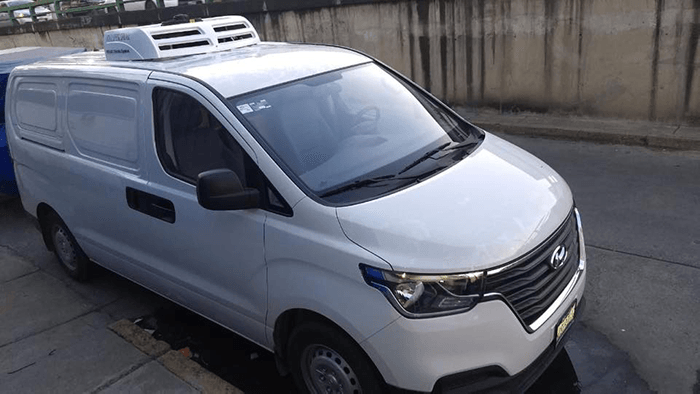
Technological Breakthroughs: From Basic Cooling to "Precision Smart Cooling"
For a long time, refrigeration units on trucks relied heavily on diesel engines or external power sources, resulting in high energy consumption and significant exhaust emissions. The rise of electric refrigeration units addresses the environmental requirement for "zero direct emissions" from the outset. Leveraging the high-voltage power systems of all-electric chassis, these units operate independently, eliminating fuel consumption during idling—making them particularly suitable for operations in city centers with strict emission standards.
In terms of cooling performance, the new generation of electric products generally employs variable-frequency technology. Variable-frequency compressors automatically adjust their speed based on real-time temperature fluctuations inside the cargo hold. This avoids the frequent start-stop cycles typical of traditional fixed-frequency units, thereby minimizing temperature swings to safeguard cargo quality while significantly reducing energy waste. Meanwhile, the introduction of intelligent control systems gives the units "thinking" capabilities: through sensor networks and adaptive algorithms, the equipment can anticipate changes in thermal load and adjust cooling output in advance, ensuring more stable temperature control. Furthermore, significantly reduced operating noise creates a more neighbor-friendly environment for night-time deliveries and operations in residential areas, resolving a long-standing industry challenge regarding noise disturbances.
Policy Guidance and Market Enthusiasm Resonate in Unison
Against the backdrop of strong national advocacy for green transportation, new energy refrigerated trucks and their associated equipment have received extensive policy support. Local governments have rolled out various incentives, offering road access privileges and operational subsidies to cold chain vehicles equipped with electric refrigeration units. Some cities have even designated restricted zones for fuel-powered refrigerated trucks, directly driving robust demand for the transition to electric alternatives. Meanwhile, as end-users increasingly demand transparency across the entire cold chain, the remote monitoring and data transmission capabilities inherent in electric refrigeration units perfectly meet the needs of cargo owners for temperature traceability and early-warning management; this has further accelerated the adoption of these products.
In terms of practical application, electric refrigeration units demonstrate exceptional suitability for high-frequency, short-haul scenarios such as supermarket distribution, community group buying, and the transport of pharmaceuticals and vaccines. Vehicle manufacturers are also actively responding by launching OEM electric chassis that are deeply integrated with the refrigeration units; this enables energy synergy between the traction battery and the refrigeration system, thereby ensuring cooling performance while optimizing the vehicle's overall driving range.
Real-World Challenges and Future Pathways
Despite the promising outlook, the widespread adoption of electric refrigeration units still faces several hurdles. A primary challenge lies in balancing energy consumption with driving range: refrigeration operations continuously draw power from the main battery, and under conditions of high ambient temperatures or heavy loads, the driving range can shrink significantly—placing greater demands on battery capacity and thermal management systems. Additionally, the initial purchase cost of electric refrigeration units is relatively high, and the after-sales service networks and training for specialized technicians are still being refined; these factors have somewhat slowed adoption rates among small and medium-sized logistics enterprises.
Looking ahead, continuous advancements in high-energy-density batteries, efficient heat pump technology, and lightweight materials are expected to gradually resolve these bottlenecks. The industry generally anticipates that electric refrigeration will first achieve full coverage in urban last-mile cold chain logistics before gradually extending to long-haul transport. It is foreseeable that electric refrigeration units will evolve beyond being mere "substitutes" to become a pivotal force driving cold chain logistics toward a smarter, cleaner, and more reliable future. This green revolution, initiated within the refrigeration sector, is establishing a robust and eco-friendly safeguard to ensure the secure delivery of everything from fresh produce to vaccines.