
Engine Driven Transport Refrigeration: Efficient Cooling for Modern Cold Chain Logistics
Engine driven transport refrigeration units are becoming a practical and cost-effective solution for temperature-controlled logistics, especially in urban delivery and short-to-medium haul operations. As global demand for fresh food, pharmaceuticals, and perishable goods continues to rise, these systems play a crucial role in ensuring product quality and safety throughout transportation.
Transport refrigeration units (TRUs) are designed to maintain precise temperature conditions inside trucks and vans, protecting cargo such as dairy products, frozen foods, seafood, and medical supplies. These systems operate using a vapor-compression refrigeration cycle, where heat is removed from the cargo space and released outside, ensuring consistent cooling performance.
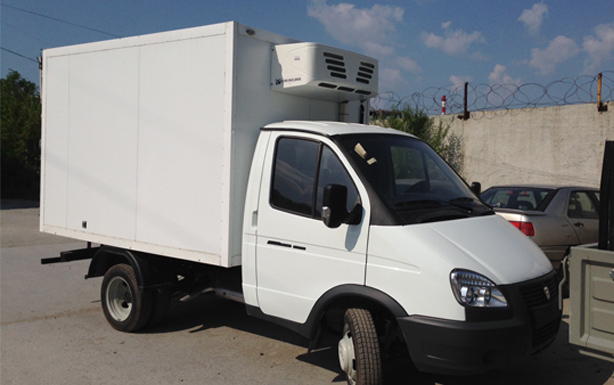
What Is Engine Driven Transport Refrigeration?
Engine driven refrigeration units—also known as direct-drive systems—are powered directly by the vehicle’s main engine. Unlike independent diesel refrigeration units, they do not have a separate power source. Instead, the truck engine drives the compressor through a belt or power take-off (PTO), enabling the refrigeration cycle to function efficiently during vehicle operation.
This design makes engine driven units simpler, lighter, and more affordable compared to self-powered systems. However, since they rely entirely on the vehicle engine, cooling stops when the engine is turned off.
Key Advantages
One of the main advantages of engine driven transport refrigeration is its cost efficiency. With no additional engine required, the system has a lower initial investment and reduced maintenance complexity.
Additionally, these units are lightweight and fuel-efficient, as they eliminate the need for a secondary diesel engine. This contributes to better overall vehicle performance and lower operating costs.
Their simple structure also makes installation and servicing easier, which is particularly attractive for fleet operators and small-to-medium logistics businesses.
Limitations and Considerations
Despite their advantages, engine driven units have certain limitations. The most notable is their dependence on the vehicle engine. When the truck stops or the engine is off, the refrigeration system also stops, which may affect temperature-sensitive cargo if not properly managed.
For operations involving long parking periods or overnight storage, additional solutions such as standby electric systems or alternative refrigeration units may be required.
Ideal Applications
Engine driven transport refrigeration units are best suited for:
Urban and last-mile delivery
Short-distance distribution routes
Continuous driving operations
Small to medium refrigerated vans and trucks
Their balance of affordability and efficiency makes them a popular choice in sectors such as food distribution, catering logistics, and retail supply chains.
Market Outlook
With increasing emphasis on cost control and energy efficiency, engine driven refrigeration systems continue to gain traction in the global cold chain market. While electric and hybrid solutions are emerging, engine driven units remain a reliable and economical option for many logistics operators.
As technology advances, modern engine driven systems are incorporating smarter temperature controls, improved insulation, and enhanced energy management features—further strengthening their role in sustainable and efficient refrigerated transport.