
Electric Van Refrigeration Units: The "Invisible Key" to a Green Cold Chain
In the wave of urban logistics embracing new energy, a component long relegated to a supporting role—the refrigeration unit for electric vans—is quietly taking center stage in industry transformation. With the booming development of fresh food e-commerce and the continuous tightening of environmental policies, how to ensure both freshness and emission reduction in the "last mile" of cold chain delivery has become a crucial question that the entire industry chain must answer. Technological breakthroughs in refrigeration units are becoming the key to solving this problem.
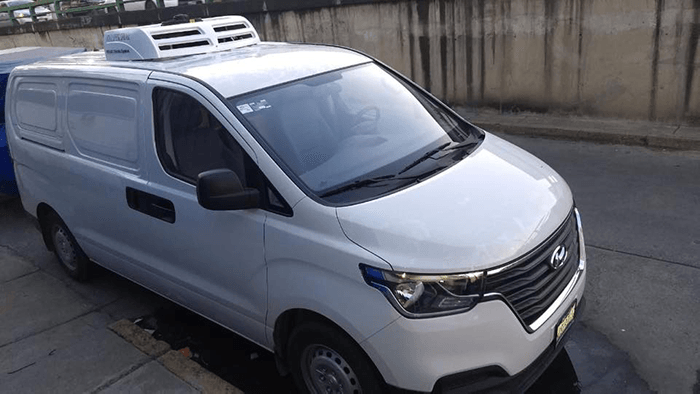
Electrification Creates New Demands
In the past, refrigeration units in refrigerated trucks were mostly driven by internal combustion engines or coupled with the vehicle's transmission system. Energy consumption was not a significant issue in the era of traditional energy. However, when chassis power shifted from fuel to batteries, the original technological logic was completely disrupted. Electric vans have limited battery capacity; if the refrigeration unit continues to consume high energy, the vehicle's range will be significantly reduced, leading to a decline in both operational efficiency and economic benefits.
This contradiction is becoming increasingly prominent as the penetration rate of new energy refrigerated trucks increases. The industry generally recognizes that if the energy consumption matching issue of refrigeration units cannot be resolved, the promotion of electric refrigerated trucks will face the embarrassing situation of being "praised but not popular." Therefore, specialized, high-efficiency electric refrigeration units have moved from behind the scenes to the forefront, becoming the focus of technological breakthroughs for vehicle manufacturers.
Technological Path Evolving Towards "Collaboration"
Faced with the challenges brought by electrification, the technological roadmap of the refrigeration equipment industry is undergoing profound changes. The traditional, simple, piecemeal matching model is gradually being replaced by deep collaborative research and development.
On the one hand, variable frequency technology has become the industry standard. Compared to the frequent start-stop of traditional fixed-frequency units, the new electric refrigeration units adopt a full DC inverter solution, which can automatically adjust the compressor speed and cooling capacity according to changes in the temperature inside the compartment and the needs of the goods. This "on-demand cooling" working mode minimizes energy waste and significantly improves the energy efficiency ratio of the refrigeration unit. While maintaining precise temperature control, it keeps power consumption to a minimum, thus allowing electric trucks to operate for longer periods.
On the other hand, lightweight and integrated design is becoming a trend. To avoid adding extra weight to electric vehicles, manufacturers are widely adopting new composite materials and aluminum alloys to reduce the weight of the equipment while maintaining structural strength. More forward-thinking designs are attempting to integrate some modules of the refrigeration unit with the vehicle's structure, exploring integrated solutions for thermal management and the vehicle body to achieve maximum space utilization and weight reduction.
Intelligent Design Defines a New Experience
Beyond energy conservation, intelligent technology is redefining the value of electric refrigeration units. With the widespread adoption of IoT technology, the new generation of refrigeration units is no longer an isolated refrigeration device, but has evolved into a sensing, interconnected, and predictive intelligent terminal.
Through onboard sensors and communication modules, the unit can upload real-time data on interior temperature, equipment status, and energy consumption to the cloud. Logistics dispatch centers can remotely monitor the temperature control of each refrigerated truck. In the event of temperature anomalies or equipment malfunctions, the system will immediately issue an alert to ensure an uninterrupted cold chain. For drivers, remote start/stop, temperature presets, and operating mode switching can be achieved through a mobile application, greatly improving ease of use.
A deeper level of intelligence lies in its synergy with overall vehicle energy management. By integrating with the vehicle's control system, the refrigeration unit can automatically optimize its operating strategy based on the vehicle's driving status, remaining battery power, and expected travel distance. It enters a low-power maintenance mode when the vehicle is stationary and unloading cargo; and pre-cools the cargo compartment while the vehicle is moving, making full use of every kilowatt-hour of electricity. This intelligent collaboration between the vehicle and the refrigeration unit is becoming a commanding height in industry technological competition.
Standards Lead Industry Norms
While technology is rapidly iterating, the development of industry standards is also accelerating. Because electric refrigeration units are a relatively new niche market, the market previously lacked unified performance evaluation and testing standards, leading to inconsistent product quality. The influx of inefficient and mismatched products into the market not only damaged user experience but also affected the overall image of the industry.
Looking Towards a Green Cold Chain Future
Looking to the future, the dedicated refrigeration unit for electric vans carries not only the advancement of temperature control technology but also the hope for a green and low-carbon transformation of the entire cold chain logistics system. With continuous breakthroughs in core refrigeration technologies and the deepening collaboration among the vehicle, battery, and refrigeration unit, the operating costs of electric refrigerated trucks will further decrease, and their application scenarios will expand from urban delivery to intercity transportation.
In the streets and alleys of the city, more and more quiet, zero-emission, and precisely temperature-controlled electric refrigerated trucks will shuttle through, delivering fresh food and medicine to thousands of households. All of this is made possible by those seemingly inconspicuous refrigeration units that embody technological wisdom. They are quietly ushering in a new era of green, intelligent, and efficient cold chain logistics, acting as "invisible keys."