
Electric Truck Refrigeration Units Accelerate Adoption: Zero-Carbon Cold Chains Move from "Feasible" to "Mainstream"
As global demand for cold chain logistics continues to rise—coupled with the accelerating pace of decarbonization in the transportation sector—electric truck refrigeration units are rapidly evolving from a nascent technology into a core direction for the upgrading of cold chain transport equipment. Compared to traditional diesel-powered refrigeration units, all-electric cooling solutions not only achieve dual zero-emission status—covering both vehicle propulsion and refrigeration—but also significantly reduce noise pollution during urban distribution, thereby becoming a pivotal component of green urban logistics ecosystems.
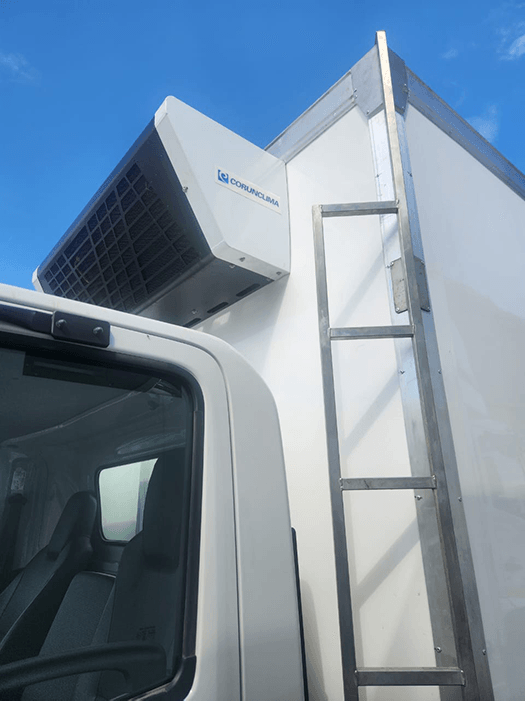
Technological Maturity: From "Is It Usable?" to "Is It Effective?"
In the early stages, industry concerns regarding all-electric refrigeration units centered primarily on balancing driving range degradation against cooling energy efficiency. However, with the evolution of vehicle thermal management philosophies, an increasing number of solutions are now adopting an integrated design approach that seamlessly combines the battery, electric motor, electronic control unit, and refrigeration system. The gradual implementation of technologies such as high-efficiency variable-frequency compressors, intelligent temperature control algorithms, and vehicle waste heat recovery systems has enabled electric truck refrigeration units to maintain precise temperature control while keeping their impact on the vehicle's driving range within an acceptable threshold. Some cutting-edge designs even utilize the heat generated during the refrigeration process to preheat the battery in low-temperature environments, thereby achieving a cascading utilization of energy across the entire vehicle system. This technological maturity has allowed electric refrigeration units to cross the threshold of mere "usability," entering a competitive phase focused on demonstrating their true "effectiveness."
Robust Market Demand: Niche Segments Drive Refrigeration Upgrades
On the demand side, specialized sectors—such as fresh food e-commerce, pharmaceutical cold chains, and the distribution of pre-prepared meals—are imposing increasingly stringent requirements on temperature stability during transit. While traditional diesel-powered refrigeration units offer powerful cooling capabilities, they frequently face dual restrictions regarding noise and exhaust emissions when operating within urban core areas. Electric refrigeration units precisely address this shortcoming; they generate minimal noise—and zero exhaust emissions—during operations such as loading and unloading, nighttime deliveries, and transit through hospital or residential zones. This capability grants cold chain logistics enterprises more flexible windows for vehicle access and operational scheduling, thereby boosting overall operational efficiency. The shift in customer behavior—from passive experimentation to active selection—is emerging as a key driving force behind the widespread adoption of electric truck refrigeration units. **Policy and Standards Drive Momentum: Road Priority and Subsidies Unlock Growth Potential**
Concurrently, policy directives and technical standards are accelerating the adoption of electric truck refrigeration units. In numerous key regions, newly added cold-chain transport vehicles that utilize new-energy chassis paired with electric refrigeration units enjoy distinct advantages regarding road access permits, operational subsidies, and annual vehicle inspections. An increasing number of logistics parks and charging/battery-swapping facilities are also incorporating refrigeration unit power compatibility into their planning, thereby providing the necessary infrastructure support for end-to-end cold-chain operations for electric trucks. This continuous reinforcement of policy support has transformed electric refrigeration units from a "highly praised but commercially sluggish" eco-friendly option into a genuinely competitive business choice.
Deepening Industry Collaboration: From Independent Accessories to Integrated Vehicle Design
From the perspective of industry collaboration, the synergy among vehicle manufacturers, refrigeration unit producers, and battery and thermal management suppliers is becoming increasingly tight. In the past, refrigeration units were often viewed merely as independently retrofitted accessories; however, in modern new-energy refrigerated trucks developed through a "forward engineering" approach, the refrigeration system is now deeply integrated into the vehicle's electrical and electronic architecture, enabling unified energy scheduling and fault diagnostics via domain controllers. This integration not only enhances system reliability but also lays the groundwork for future capabilities such as remote temperature control, predictive maintenance, and fleet energy efficiency optimization. This deep-seated industry collaboration is fundamentally reshaping the value proposition of electric truck refrigeration units.
Persistent Challenges Remain: Overcoming Extreme Conditions and Vehicle Retrofitting Hurdles
Naturally, the widespread adoption of electric truck refrigeration units still faces practical challenges. Under extreme cold or heat conditions, balancing the need to maintain battery performance, cabin comfort, and cargo compartment temperature control simultaneously places rigorous demands on thermal management systems. Furthermore, questions regarding how refrigeration units should coordinate operations during high-power DC fast-charging scenarios—as well as how to assess the economic viability of retrofitting older vehicles with electric refrigeration units—remain subjects of ongoing exploration. While these challenges are not insurmountable, they require the collective investment of all industry stakeholders in research, development, and validation.
Outlook: The Zero-Carbon Cold Chain Moves from Experimentation to the Mainstream
Although technical and operational details still require refinement, a broad industry consensus has emerged: electric truck refrigeration units are not merely simple substitutes for traditional diesel-powered units, but rather pivotal forces driving the cold-chain transport sector toward a transformative leap toward zero-carbon, low-noise, and intelligent operations. As more purpose-built products are deployed and charging, battery swapping, and maintenance networks are gradually refined, zero-carbon cold chains are transitioning from frontier experimentation to large-scale operations. In the coming years, they are poised to emerge as a mainstream option within the cold chain logistics market—one that can no longer be overlooked.
This response was generated by AI; the content is provided for reference purposes only. Please exercise your own judgment when evaluating the information.