
Emergency Vehicle Air Conditioner: Enhancing Comfort and Safety in Critical Care Transport
Ambulances and other emergency response vehicles operate in highly variable environments. Summer heat, heavy traffic, and prolonged idling can create extreme cabin temperatures, which may compromise patient care, strain medical equipment, and reduce crew efficiency. An emergency vehicle air conditioner provides precise temperature control to maintain a stable and comfortable environment inside the cabin.
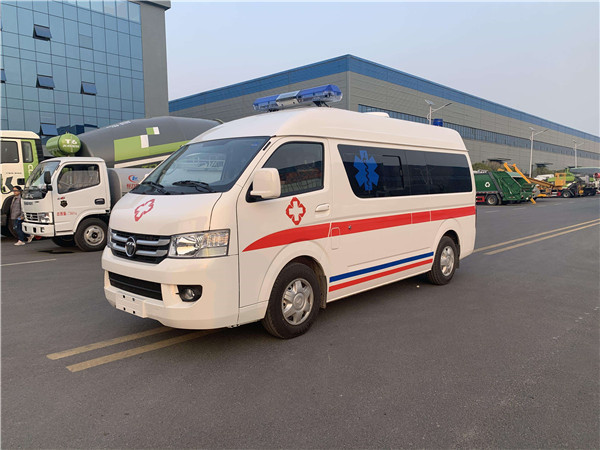
Unlike standard vehicle AC systems, these units are engineered to operate under high-demand conditions, offering reliable performance during emergencies when the vehicle may be running at low speeds or stationary for extended periods.
How Emergency Vehicle AC Systems Work
Modern ambulance air conditioners are typically electric-driven and independent from the vehicle engine. This allows continuous operation without impacting the vehicle’s power supply or fuel consumption. Key components include:
High-efficiency electric compressor
Optimized heat exchanger for rapid cooling
Low-noise, vibration-free operation
Smart temperature control for precise cabin climate
These systems deliver cooling quickly, maintain consistent temperatures, and operate quietly to minimize disruption for patients and medical staff. (corunclima.com)
Benefits for Emergency Medical Services
1. Patient Safety and Comfort
Maintaining an appropriate cabin temperature is essential for patients, especially those with heat-sensitive conditions, trauma, or pediatric and geriatric needs. Stable temperatures reduce stress and prevent complications.
2. Crew Efficiency
Paramedics and emergency staff perform critical tasks during transport. An efficiently cooled environment minimizes fatigue, improves concentration, and enhances overall response quality.
3. Equipment Reliability
Many medical devices, including ventilators, monitors, and drug storage units, are sensitive to temperature fluctuations. A dedicated air conditioner ensures these devices function properly throughout the journey.
4. Fuel and Energy Efficiency
Electric-powered systems eliminate the need for engine idling, reducing fuel consumption and minimizing environmental impact while maintaining optimal cabin climate. (corunclima.com)
5. Compliance with Health Standards
Reliable temperature control supports adherence to medical transport regulations and industry best practices, safeguarding patient care during emergency response operations.
Applications Beyond Ambulances
While ambulance fleets are the primary users, emergency vehicle air conditioners are also essential for:
Fire and rescue units
Mobile clinics
Mobile laboratories and blood transport vehicles
Disaster response vehicles
These systems allow emergency teams to operate effectively in extreme heat conditions while ensuring cargo, medical supplies, and personnel remain safe and functional.
Technological Advancements
Companies like Corunclima have developed air conditioners specifically for vans and ambulances that integrate:
DC electric compressors with high efficiency
Low-voltage operation for safety and compatibility
Compact design to maximize interior space
Quick installation and easy maintenance
These advancements make it possible to retrofit existing emergency vehicles or include the systems in new builds, enhancing fleet versatility and operational readiness. (corunclima.com)