
Electric Refrigeration Enters the City Silently, Reshaping the Last Mile of the Cold Chain
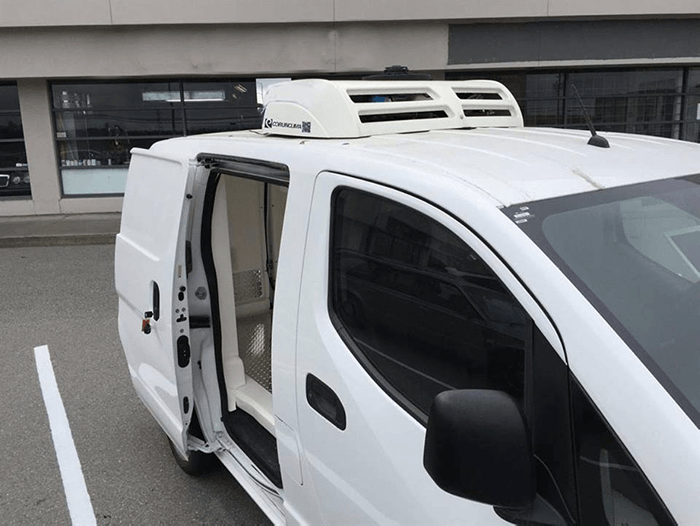
In the faint light of a city morning, a white small van quietly drives into a residential area. Unlike traditional refrigerated trucks, it has no diesel engine roar, no exhaust emissions, only an almost inaudible operating sound, protecting the precisely controlled low-temperature environment inside the cargo compartment.
This silent change foreshadows a profound transformation in the cold chain logistics field – electric small van refrigeration units have quietly entered the stage, bringing new possibilities to the last mile of urban cold chain distribution.
The Silent Revolution: A New Face for Urban Cold Chains
Traditional diesel refrigeration units have long been the mainstay of cold chain transportation, but their noise and emissions problems are becoming increasingly prominent in densely populated urban environments. As cities raise their requirements for noise pollution and air quality, diesel refrigeration units are facing restrictions in many urban areas.
The emergence of electric refrigeration units perfectly solves this contradiction. They operate quietly, hardly affecting residents' lives; their zero-emission characteristics allow them to freely enter urban low-emission zones. More importantly, electric refrigeration units can utilize the electric vehicle's own power system, eliminating the need for additional fuel and reducing energy conversion losses.
This transformation not only changes the appearance of the vehicle – no longer requiring an external diesel engine and exhaust system – but also changes the way cold chain transportation works. Drivers no longer need to turn off the refrigeration unit in the early morning to avoid disturbing residents, and logistics companies can arrange delivery times more flexibly.
Technological Integration: Dual Innovation in Electric and Refrigeration Technologies
Electric small van refrigeration units are not simply an electrification of traditional refrigeration systems, but rather a deep integration of dual innovations in electric vehicles and refrigeration technology.
Modern electric refrigeration units generally adopt variable frequency technology, which can precisely adjust the cooling power according to the temperature changes in the cargo compartment, avoiding the energy waste of traditional units' "all-on, all-off" operation. At the same time, the addition of intelligent temperature control systems makes temperature control more precise, especially suitable for the transportation of temperature-sensitive pharmaceuticals and high-end food.
Even more noteworthy is that many advanced systems have achieved integrated control of the cab air conditioning, battery temperature management, and cargo compartment refrigeration. This integrated design not only saves space and reduces weight but also optimizes overall energy distribution through intelligent algorithms, extending the vehicle's range. These technological advancements have collectively propelled electric refrigerated vehicles from concept to practical application, expanding from small-scale pilot projects to an industry trend.
Model Restructuring: The New Logic of Cold Chain Distribution
The popularization of electric refrigeration technology is reshaping the operating model of cold chain logistics. Traditional cold chain distribution often revolves around large refrigerated trucks, requiring centralized loading and unloading and rapid transportation, making it difficult to adapt to the increasingly decentralized urban distribution needs.
The emergence of small electric refrigerated vehicles has changed this logic. Their compact size allows them to easily navigate city streets; convenient charging utilizes the increasingly完善 urban charging network; and, more importantly, their operating cost structure is better suited to the high-frequency, small-batch modern distribution needs.
This change has given rise to a new cold chain distribution model – the "pre-positioned cold chain" concept. Businesses can pre-store refrigerated goods in micro cold chain hubs located throughout the city, and then use small electric refrigerated vehicles for last-mile delivery. This model not only improves distribution efficiency but also reduces energy consumption during long-distance transportation.
At the same time, the data collection capabilities of electric refrigeration units provide new tools for cold chain management. Temperature records, energy consumption data, and operating status information can be uploaded to the cloud in real time, helping logistics companies optimize routes, prevent failures, and achieve full traceability throughout the cold chain.
Green Transformation: The Future of Sustainable Cold Chains
Environmental pressure and policy guidance are key drivers of the development of electric refrigeration technology. More and more cities are establishing low-emission zones, restricting the entry of fuel-powered vehicles; some regions even provide purchase subsidies or road access privileges for electric commercial vehicles.
In this policy environment, the economic advantages of electric refrigerated vehicles are gradually becoming apparent. Although the initial investment is higher, in the long run, electric vehicles have lower maintenance costs and less energy consumption, coupled with possible policy incentives, making the total cost of ownership increasingly competitive.
In addition to direct environmental benefits, electric refrigeration technology also provides new scenarios for the application of renewable energy. Cold chain warehousing facilities are often equipped with solar power generation systems, and this clean electricity can be directly used to charge electric refrigerated vehicles, creating a fully green cold chain from warehousing to distribution.
Challenges Remain: Obstacles on the Road to Popularization
Despite the promising prospects, the large-scale popularization of electric small truck refrigeration units still faces many challenges. Range anxiety is one of the most prominent problems – the refrigeration system itself consumes a significant amount of electricity, especially in extreme temperatures, which limits the operating range of electric refrigerated trucks.
Insufficient charging infrastructure also restricts industry development. Commercial vehicles often require high-power fast charging, but most charging stations in cities are currently designed for passenger vehicles, making it difficult to meet the needs of commercial vehicles. Cold chain delivery usually has strict time requirements, and long charging times are incompatible with the industry's characteristics.
High initial investment also deters many small logistics companies. The purchase cost of electric refrigerated trucks is significantly higher than that of traditional vehicles. Although long-term operating costs are lower, the financial pressure makes it difficult for many companies to take the first step.
Furthermore, establishing a maintenance system takes time. Traditional diesel refrigeration units have a mature maintenance network, while the maintenance of electric refrigeration systems requires new skills and tools, and professional personnel in this area are currently relatively scarce.
Future Outlook: The Embryonic Form of Smart Cold Chains
The development of electric small truck refrigeration units will not stop at simply replacing diesel engines. With technological advancements, these systems are becoming smarter and more integrated.
Future electric refrigeration systems may be deeply integrated with the urban Internet of Things. The system can obtain real-time information such as weather, road conditions, and electricity prices, and automatically adjust operating strategies – strengthening refrigeration during off-peak electricity hours, reducing energy consumption on congested roads, and even pre-cooling the cargo compartment based on order information before delivery.
The combination with autonomous driving technology is also worth looking forward to. Electric vehicles themselves are suitable for automated control, and coupled with intelligent refrigeration systems, unmanned cold chain vehicles capable of automatic loading, unloading, and delivery may appear in the future, completely transforming the last-mile cold chain.
Advances in materials science may also bring more efficient insulation solutions. The application of new phase change materials, vacuum insulation panels, and other technologies will reduce the refrigeration load and further extend the range of electric refrigerated trucks.
Conclusion: A Silent Revolution in Progress
The development of electric small truck refrigeration units reflects not only technological changes but also the transformation of the entire urban logistics system. This transformation is silent yet profound, just like the electric refrigerated trucks quietly driving through the streets, unobtrusively but truly changing our lives. From large refrigerated trucks to small electric delivery vehicles, from the roar of diesel engines to silent operation, and from fixed routes to flexible delivery, cold chain logistics is becoming more efficient, environmentally friendly, and intelligent. From farm to table, and from pharmaceutical factory to hospital ward, the way temperature-sensitive goods are transported is being redefined.
This transformation is still in its early stages, presenting both challenges and opportunities. However, it is certain that as technology matures, costs decrease, and infrastructure improves, electric refrigeration units will become the standard for urban cold chain logistics. And when we become accustomed to quiet, clean refrigerated trucks traversing city streets, we will have witnessed the arrival of a more sustainable era of logistics.