
Cold Chain Van Refrigeration Drives Innovation in Last-Mile Logistics
The global cold chain industry is undergoing rapid transformation as demand for fresh food, pharmaceuticals, and temperature-sensitive goods continues to surge. At the center of this evolution is the cold chain van refrigeration system, a critical technology enabling safe and efficient last-mile delivery.
With urban logistics expanding and e-commerce accelerating, refrigerated vans are no longer a niche solution—they are becoming a backbone of modern distribution networks.
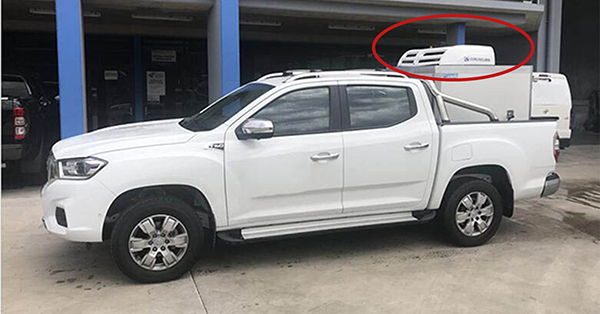
Rising Demand for Cold Chain Transportation
In recent years, the need for reliable cold chain logistics has grown significantly. Industries such as food delivery, grocery retail, pharmaceuticals, and floral distribution all depend on precise temperature control to maintain product quality.
Cold chain van refrigeration units ensure that perishable goods remain within strict temperature ranges during transit. From chilled goods at around 0°C to frozen cargo below −20°C, maintaining consistency is essential to avoid spoilage and regulatory issues.
Advanced van refrigeration solutions now support a wide range of applications, including:
Urban food and grocery delivery
Vaccine and pharmaceutical transport
Catering and hospitality logistics
Last-mile distribution for e-commerce
These use cases highlight the increasing importance of compact, efficient refrigeration systems tailored for vans and light commercial vehicles.
Technology Advancements in Van Refrigeration Units
Modern cold chain van refrigeration systems are evolving toward electric, energy-efficient, and environmentally friendly solutions. One notable trend is the shift from traditional engine-driven systems to full DC electric refrigeration units.
According to product data from Corunclima, their latest van refrigeration units feature:
Full DC electric compressors for efficient cooling
Temperature ranges from −5°C (chilled) to −20°C (deep freeze)
Compatibility with both electric and engine-powered vans
Slim, space-saving evaporator designs
Built-in safety protections such as low voltage and high-pressure control
These systems are designed to deliver stable cooling performance while minimizing energy consumption and operational costs.
Additionally, battery-driven refrigeration units eliminate the need for engine idling, reducing emissions and noise—an important advantage in urban environments with strict environmental regulations.
Designed for Modern Fleet Operations
Cold chain van refrigeration units are increasingly optimized for flexibility and scalability. They can be installed across a wide variety of vehicle platforms, including:
Fully electric vans such as e-Sprinter, e-NV200, and BYD T3
Compact and mid-size cargo vans
Mixed fleets combining electric and diesel vehicles
This versatility allows logistics companies to standardize their refrigeration solutions across different fleet types, improving operational efficiency.
Furthermore, modern units are built with durability in mind, offering long service life and low maintenance requirements. Some systems are engineered to last up to 10 years, supported by extended warranties and robust component design .
Conclusion
Cold chain van refrigeration is no longer just a supporting technology—it is a strategic asset in modern logistics. With innovations in electric cooling, energy efficiency, and smart controls, refrigerated vans are redefining how perishable goods are transported.
Companies that invest in reliable and scalable refrigeration systems will be better positioned to meet growing market demands while ensuring compliance, sustainability, and customer satisfaction.
In an era where freshness and safety are paramount, cold chain van refrigeration stands as a key driver of progress in global supply chains.