
Accelerated Technological Iteration in Electric Truck Refrigeration Equipment
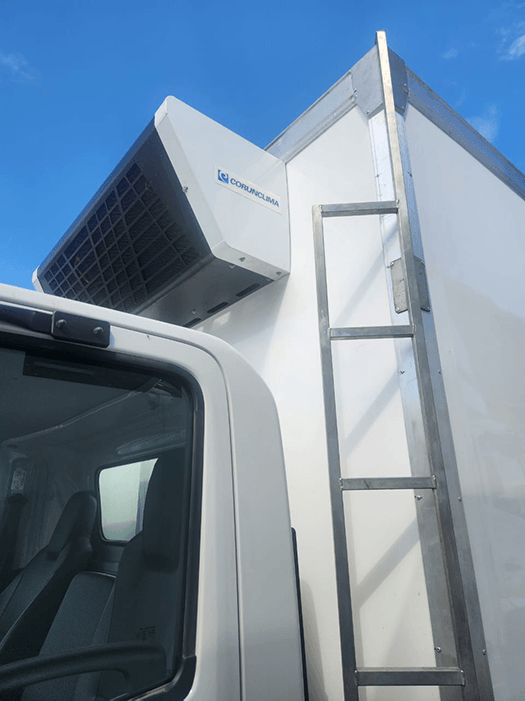
Green Transformation of Cold Chain Logistics Welcomes New Opportunities
As the transition to new energy sources in the commercial vehicle sector continues to accelerate, electric trucks are finding increasingly widespread application in scenarios such as urban distribution and short-haul trunk transport. However, refrigeration equipment—a core component of cold chain transport—has long faced technical bottlenecks such as high energy consumption and significant negative impacts on driving range, becoming a critical factor limiting the large-scale adoption of electric trucks in the cold chain sector. Recently, the industry has achieved a series of new breakthroughs in electric refrigeration technology; from energy efficiency optimization and intelligent control to system-wide coordination, a range of innovations is propelling new-energy cold chain transport toward a more mature stage of development.
Traditional Integration Models Struggle to Bear the Load
For a long time, refrigeration units in traditional cold chain transport vehicles typically relied on direct drive from fuel-powered engines or operated in a fixed-frequency mode, resulting in relatively limited energy efficiency. When this integration framework was transplanted onto electric trucks, coordination issues between the refrigeration equipment and the vehicle's powertrain system became starkly apparent. The continuous operation of the refrigeration unit significantly drains the vehicle's overall driving range, placing operators in a dilemma where it is difficult to simultaneously satisfy the demands of "range assurance" and "temperature control reliability." Furthermore, traditional equipment struggles to flexibly adjust cooling output based on variables such as cargo status, environmental conditions, and door-opening frequency, often leading to energy waste. Consequently, the energy efficiency performance of the refrigeration system largely determines the practicality and economic viability of electric refrigerated trucks.
Variable Frequency and Intelligent Control Emerge as Key Solutions
To address this critical pain point, mainstream technological pathways are rapidly evolving toward full DC variable frequency control and intelligent management systems. The new generation of electric refrigeration equipment widely adopts variable frequency scroll compressor technology, which dynamically adjusts compressor speed based on real-time internal compartment temperatures and cooling demand, thereby avoiding the energy waste associated with the frequent start-stop cycles of fixed-frequency units. More importantly, refrigeration control systems are now being deeply integrated with the vehicle's own Battery Management System (BMS) and Vehicle Control Unit (VCU) to achieve coordinated optimization of energy allocation. During high-power demand scenarios—such as starting, hill climbing, or acceleration—the refrigeration system can proactively reduce its cooling output; once the vehicle returns to a stable driving state, it resumes operation at the preset parameters. This "peak-shaving and valley-filling" strategy maximizes the preservation of the vehicle's driving range. Digital Empowerment of End-to-End Temperature Control
A significant leap in intelligence is another defining characteristic of this latest technological iteration. Current mainstream products are now widely equipped with remote communication modules and high-precision positioning systems, enabling the real-time transmission of data—including refrigeration unit operating status, multi-point temperatures within the cargo compartment, and equipment energy consumption metrics—back to a cloud-based management platform. Logistics operators can thus achieve end-to-end visual monitoring of cold chain vehicles while in transit. Should any anomalies arise—such as temperature deviations, potential equipment malfunctions, or unauthorized opening of cargo doors—the system issues immediate alerts, enabling managers to intervene proactively. This paradigm shift—moving from "post-incident forensics" to "real-time alerts and proactive intervention"—has substantially enhanced the safety and reliability of cold chain transport. This holds particular significance for sectors with extremely stringent temperature control requirements, such as pharmaceuticals and high-end fresh produce.
From Policy-Driven to Value-Driven Growth
From an industry-wide perspective, technological breakthroughs in refrigeration equipment for electric trucks are reshaping both the energy landscape and operational models of cold chain logistics. Historically, electric refrigerated vehicles were often viewed merely as products of policy mandates, frequently facing practical limitations in real-world applications. However, thanks to improvements in refrigeration energy efficiency and optimized synergy with overall vehicle range, the comprehensive cost-of-ownership advantages of new-energy cold chain vehicles are becoming increasingly apparent. Consequently, a growing number of logistics enterprises are now integrating these vehicles into their standard fleet configurations. In typical operational scenarios—such as urban distribution, airport transfers, and dedicated intercity routes—the prospects for the large-scale deployment of electric cold chain vehicles are becoming ever clearer. Concurrently, the deep integration of refrigeration equipment with the vehicle's overall electrical architecture is laying the groundwork for more advanced future applications, such as vehicle-level energy management and intelligent, networked dispatching systems.
Thermal Storage Technology Opens Up New Horizons
Looking ahead, industry innovation continues to advance to even deeper levels. Some R&D efforts have now turned their focus toward the application of thermal storage refrigeration technologies and phase-change energy storage materials. The goal is to explore the feasibility of "storing cold" during off-peak nighttime hours—when electricity rates are lower—to provide cooling during daytime operational hours with minimal, or even zero, power consumption. Once matured, these technologies will further reduce the lifecycle energy consumption and carbon footprint of cold chain transport, steering the industry toward a more efficient and environmentally sustainable path of development. The Promising Outlook for Green Cold Chains
Against the dual backdrop of the deepening adoption of green and low-carbon development philosophies—coupled with consumer upgrades driving a sustained surge in demand for cold chain services—the deep integration of electric trucks and high-efficiency refrigeration technologies is opening up entirely new horizons for the cold chain logistics industry. As technological iterations continue to advance and collaboration across the industrial chain deepens, new-energy cold chain transport is poised to strike an optimal balance between efficiency, reliability, and economic viability, thereby providing greener and more intelligent logistics support for high-quality economic and social development.