
Truck Freezer Unit Drives Cold Chain Efficiency Across Global Logistics
A truck freezer unit—also known as a truck refrigeration unit (TRU)—is a self-contained cooling system installed on refrigerated trucks to maintain a controlled environment inside the cargo box. Its primary function is to preserve product quality by keeping goods within a specified temperature range, often as low as -20°C for frozen cargo.
These units are essential in industries where temperature fluctuations can lead to spoilage, contamination, or financial loss. As global demand for fresh and frozen products grows, so does the importance of advanced truck freezer technologies.
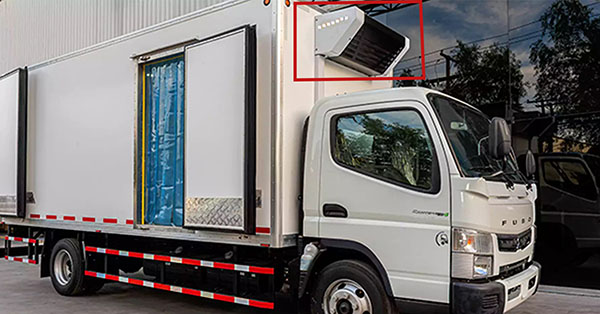
How Truck Freezer Units Work
Truck freezer units operate based on a closed-loop refrigeration cycle. The system typically includes:
Compressor – circulates and compresses refrigerant
Condenser – releases heat to the outside environment
Expansion valve – regulates refrigerant flow
Evaporator – absorbs heat from the cargo space
Through this cycle, heat is continuously removed from the cargo area, maintaining stable temperatures regardless of external conditions.
Modern systems also integrate digital thermostats, sensors, and real-time monitoring, allowing drivers to maintain precise temperature control and receive alerts if conditions deviate
In today’s rapidly evolving cold chain industry, the truck freezer unit has become a cornerstone technology ensuring the safe transportation of temperature-sensitive goods. From frozen food and pharmaceuticals to fresh produce and seafood, modern logistics increasingly depends on reliable refrigeration systems that can maintain strict temperature control throughout transit.
Today’s truck freezer units are designed with performance, efficiency, and reliability in mind. Key features include:
1. Strong Cooling Capacity
High-performance systems can rapidly pull down temperatures and maintain freezing conditions even in extreme climates.
2. Precise Temperature Control
Advanced control systems ensure consistent internal temperatures, critical for pharmaceuticals and frozen foods.
3. Multiple Power Options
Independent units (diesel or electric) can operate without the truck engine
Direct-drive units rely on the vehicle engine, offering better fuel efficiency for short-distance transport
4. Energy Efficiency & Low Maintenance
Modern designs optimize fuel consumption and reduce maintenance costs while maintaining stable operation.
5. Multi-Temperature Capability
Some systems allow different temperature zones within the same truck, improving logistics flexibility.
Applications in the Cold Chain Industry
Truck freezer units are widely used across multiple sectors:
Food & Beverage – frozen meat, seafood, dairy, ice cream
Pharmaceuticals – vaccines, biologics, medical supplies
Agriculture – fruits, vegetables, flowers
Retail & Distribution – supermarket and e-commerce delivery
These units ensure that products remain fresh and compliant with safety standards during transportation, forming a critical link in the global cold chain