
A Quiet Revolution: All-Electric Refrigeration Units Reshape the Green Cold Chain for Box Trucks
As global emphasis on environmental protection and energy transition intensifies, the push for low-carbon transportation is accelerating. Within the critical cold-chain logistics sector, a core technological innovation is quietly transforming the landscape: all-electric refrigeration units for box trucks are moving from concept to large-scale application, driving a "quiet yet profound" green revolution in urban distribution and short-haul logistics.
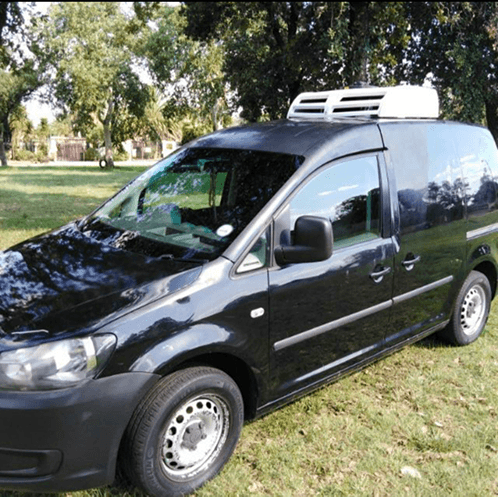
A Power Transition: From "Fuel Guzzlers" to "Electric Hearts"
Traditionally, refrigerated trucks relied on auxiliary fuel engines to power their cooling systems; this resulted in high energy consumption and significant exhaust emissions and noise pollution—issues that were particularly problematic in densely populated urban centers. The advent of all-electric refrigeration units has completely upended this established model. Powered directly by the vehicle's traction battery or an independent onboard power source, this technology fully electrifies the cooling process, thereby eliminating local pollutant emissions at the source. This represents far more than a simple swap of power sources; it is a fundamental restructuring of energy management logic, allowing the "heart" of cold-chain transport to beat cleaner and quieter than ever before.
An Intelligent Core: Precision Temperature Control and High Energy Efficiency
In terms of technical architecture, all-electric refrigeration units embody a highly integrated design philosophy. By eliminating complex mechanical drive structures in favor of high-efficiency variable-frequency compressors and intelligent temperature control algorithms, the system automatically adjusts cooling output based on real-time thermal loads within the cargo hold. This "cooling-on-demand" approach not only enhances temperature control precision—effectively safeguarding the quality and safety of high-value goods like fresh produce and pharmaceuticals—but also significantly boosts the efficiency of the entire energy conversion chain. Furthermore, the removal of wear-prone components like belt drives leads to a qualitative leap in operational reliability and ease of maintenance, optimizing the system's overall lifecycle benefits. In essence, this system acts as both a "precision analyst" and a "reliable guardian." Synergy Among Policy, Market, and Ecosystem
Industry observers note that the widespread adoption of all-electric refrigeration units is closely linked to the broader trend of electrifying commercial vehicles. As major automakers roll out new energy truck chassis featuring improved range and advanced electrical architectures, electric refrigeration units have found an ideal "golden partner." Sharing a common energy system not only simplifies vehicle layout but also paves the way for the deep integration of digital management functions—such as the Internet of Vehicles (IoV), intelligent dispatching, and remote diagnostics. Guided by "dual carbon" goals, many regions have incorporated the greening of cold chain logistics into their urban transport plans, imposing stricter environmental standards on logistics vehicles operating in city centers. Thanks to their quiet and clean operation, all-electric refrigeration technologies perfectly meet the rigorous demands of scenarios like night-time deliveries and community fresh-food hubs, serving as a key solution to the environmental challenges of "last-mile" delivery. Meanwhile, growing awareness among end-users regarding carbon footprint traceability is compelling stakeholders across the supply chain to accelerate the adoption of more sustainable temperature-controlled solutions.
Looking ahead, as power battery energy density rises and fast-charging infrastructure networks mature, the application scope for all-electric refrigeration units will expand from light-duty urban delivery trucks to medium-duty trucks and even heavy-duty refrigerated vehicles. The industry generally agrees that this technology has moved beyond the feasibility validation stage and is entering a fast track toward commercialization. It represents not merely a shift in power sources for cold chain equipment, but a significant milestone in the logistics industry's transition toward a future that is efficient, intelligent, and zero-carbon. This electrification-driven "cold" revolution is injecting a steady stream of green momentum into ensuring the freshness of food on people's tables and the safety of pharmaceutical transport.