News
-
06-12 2026
Van Cooling System for Cargo Revolutionizes Temperature-Controlled Transport
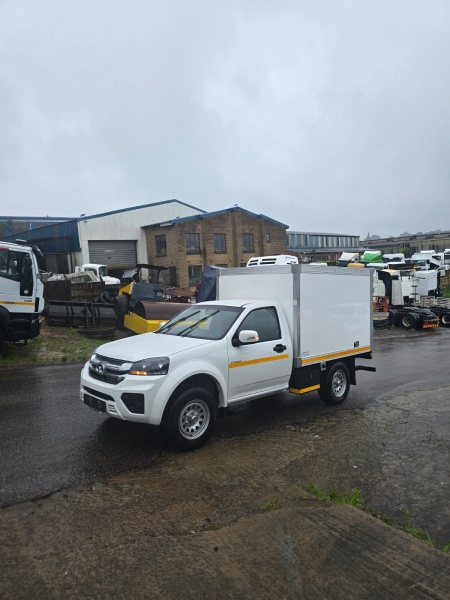
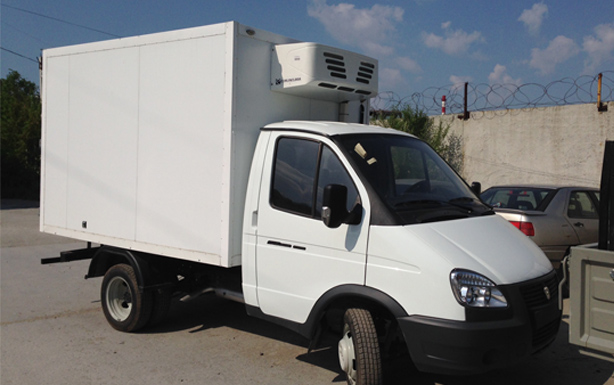
As businesses continue to expand their delivery networks and e-commerce grows globally, maintaining the quality and freshness of transported goods has never been more critical. A van cooling system for cargo has emerged as an essential technology for logistics providers, food distributors, and pharmaceutical transport operators seeking reliable, efficient, and flexible refrigeration solutions.
-
06-11 2026
Say Goodbye to Idling Fuel Waste and Cab "Saunas": DC Electric A/C Sets a New Trend for Green Trucking
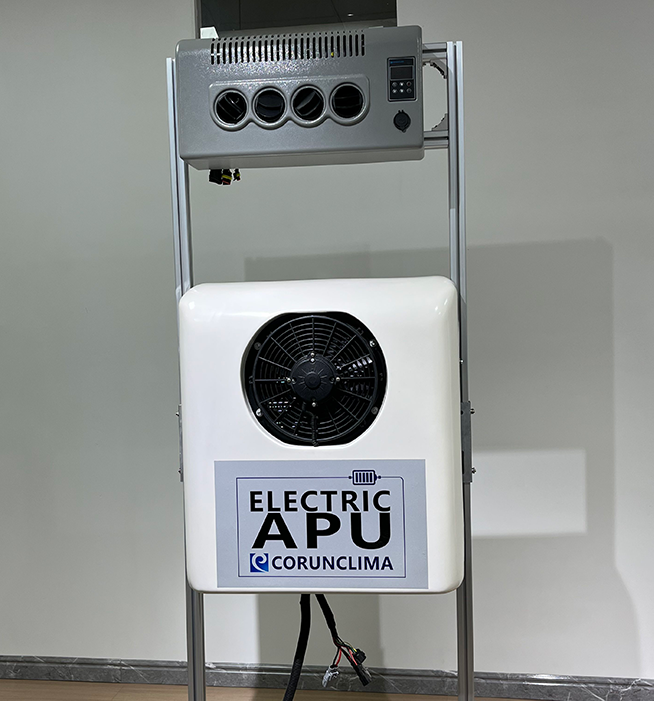
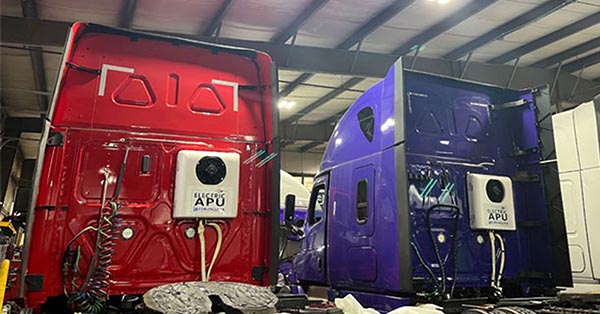
In the scorching heat of summer, rows of truck cabs in logistics park parking lots bake under the sun, turning into veritable "sauna rooms" made of sheet metal. For truck drivers constantly on the road, finding a way to enjoy a cool, comfortable resting environment while the engine is off has long been a major pain point in the industry. Today, thanks to the maturation and widespread adoption of DC inverter electric air conditioning technology, this challenge is being resolved; these quiet, energy-efficient units—which operate without the need for engine idling—are becoming a standard feature for an increasing number of drivers.
-
06-11 2026
DC Air Conditioner for Trucks Enhances Comfort and Efficiency in North American Fleets
The transportation industry is experiencing a significant shift toward energy-efficient and sustainable solutions, and one innovation leading the way is the DC air conditioner for trucks. As fleets across North America adapt to stricter environmental standards and rising driver expectations, advanced DC-powered air conditioning systems are becoming a crucial component of modern truck operations.
-
06-10 2026
Rapid Adoption of All-Electric Truck Refrigeration Units Ushers in Zero-Emission Era for Cold Chain Logistics
Amidst the global push for deep decarbonization in the transportation sector, all-electric truck refrigeration units are transitioning from concept to large-scale application, serving as a pivotal breakthrough for the green transformation of cold chain logistics. Unlike traditional mechanical refrigeration systems driven by diesel engines, all-electric units rely entirely on onboard traction batteries or independent battery packs, achieving zero fuel consumption and zero tailpipe emissions during operation. The maturation of this technology signifies the gradual elimination of the long-standing "blind spot" of fuel-based refrigeration in cold chain transport.
-
06-10 2026
Cold Chain Refrigeration Unit Technology Supports Growing Demand for Safe and Efficient Temperature-Controlled Transportation
The global cold chain industry continues to expand as demand for fresh food, pharmaceuticals, vaccines, and temperature-sensitive products reaches new heights. At the center of this growth is the cold chain refrigeration unit, a critical technology that helps maintain product quality and safety throughout the transportation process.
-
06-09 2026
New Momentum in Cold Chain Logistics: Electric Refrigeration Units for Box Trucks Usher in a Green, Efficient Era
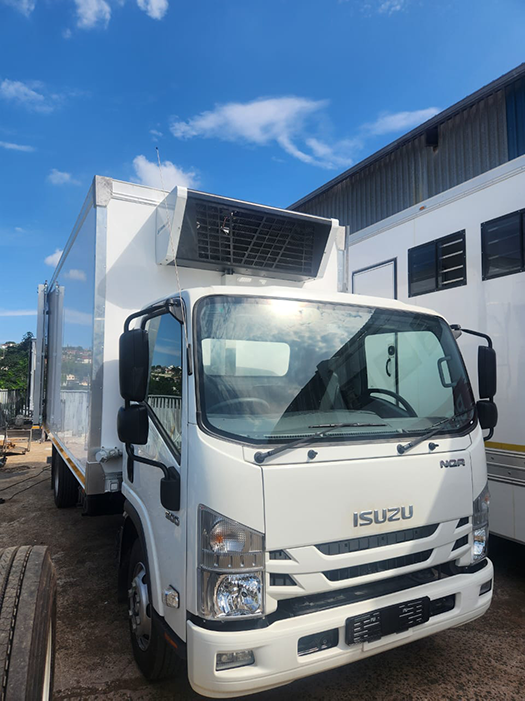
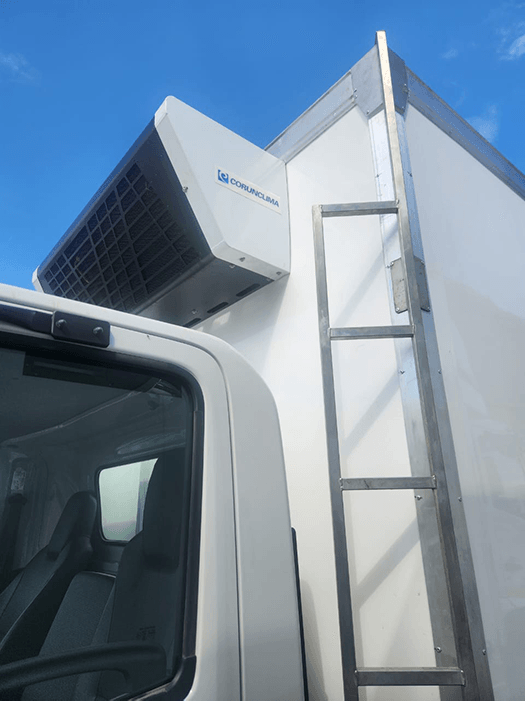
Driven by the surging demand for fresh food e-commerce, pharmaceutical cold chain logistics, and on-demand delivery services, urban cold chain distribution is entering a period of rapid growth. Against this backdrop, electric refrigeration units for box trucks are increasingly replacing traditional diesel-powered systems. Thanks to advantages such as zero emissions, low noise, and high efficiency, they have become a focal point of the industry, injecting fresh, green momentum into "last-mile" cold chain logistics.
-
06-09 2026
Rooftop Air Conditioner for Electric Van Gains Attention as Demand for Sustainable Mobile Cooling Solutions Grows
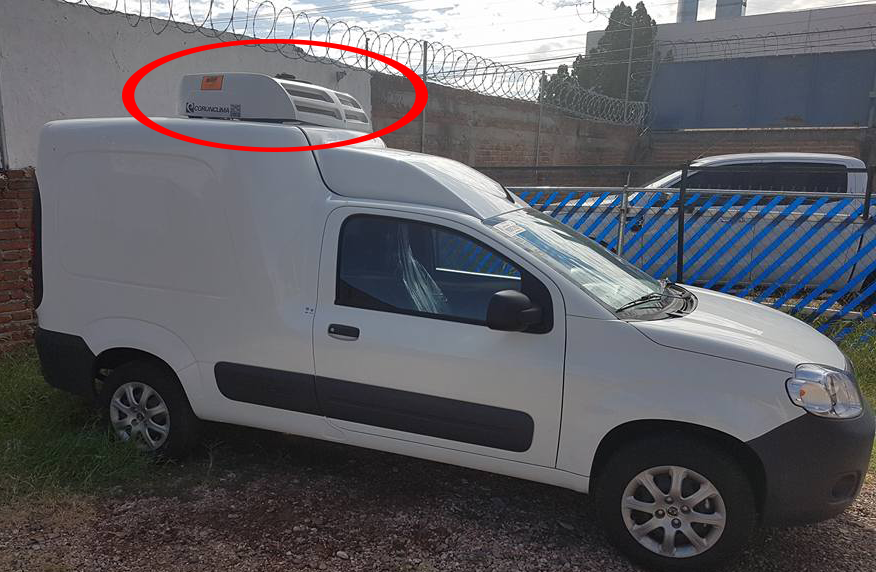
As electric vehicles continue to reshape the transportation industry, the demand for efficient and reliable climate control systems has become increasingly important. Among the latest innovations supporting this transition, the rooftop air conditioner for electric van has emerged as a practical solution for operators seeking comfort, energy efficiency, and environmental responsibility.
-
06-08 2026
DC Electric Air Conditioning for Ambulances Gains Traction: Quiet, Zero Emissions, Independent Operation Reshapes Emergency Care
As emergency medical services place higher demands on the environment inside patient compartments, a new type of DC-powered electric air conditioning system – completely independent of the vehicle’s engine – is becoming a key upgrade for ambulances. Unlike conventional cooling systems that rely on engine idling, this system runs directly off the vehicle’s battery, providing continuous cooling or heating without the engine running. It is seen as a critical step toward quieter, more electrified emergency vehicles.
-
06-08 2026
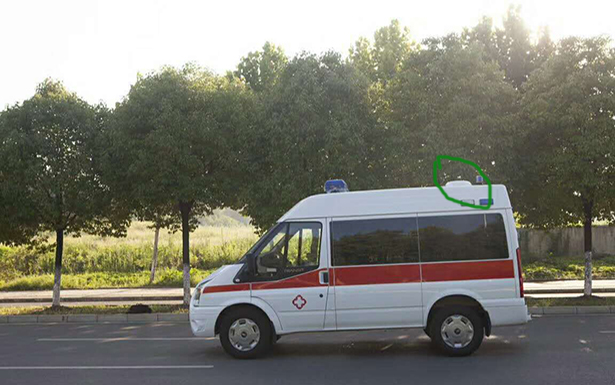
Ambulance Rooftop AC Unit Enhances Emergency Medical Transport with Reliable Climate Control
As emergency medical services continue to evolve worldwide, the demand for advanced ambulance equipment has increased significantly. Among the critical systems that directly impact patient safety and medical staff performance, the Ambulance Rooftop AC Unit has become an essential component of modern emergency vehicles. Designed to provide stable cooling and heating performance under demanding operating conditions, rooftop air conditioning systems help create a comfortable and controlled environment inside ambulances during patient transport.
-
06-05 2026
DC Electric Refrigeration Units Accelerate Green Transition, New Energy Cold Chain Equipment Market Heats Up
As China’s “dual carbon” strategy deepens and the new energy industry flourishes, DC electric refrigeration units — core temperature control equipment — are facing unprecedented market opportunities. The sector is now achieving continuous technological breakthroughs while accelerating deployment across diverse scenarios, including cold chain logistics, rail transportation, and energy storage. The industry has moved beyond the basic “just cooling” stage into a new competitive landscape where green, intelligent, and highly efficient solutions are integrated.