
Electric Truck Refrigeration Units Accelerate Technological Evolution, Driving the Green Transition in Cold Chain Transport
As the adoption of new energy commercial vehicles continues to deepen, the share of electric trucks within the logistics and transportation ecosystem is steadily rising. As a critical link in the cold chain transport network, the refrigeration units accompanying these electric trucks are currently experiencing a new wave of technological upgrades and heightened market attention. Industry consensus suggests that high-efficiency, intelligent, and low-noise electric refrigeration units represent a key future direction for the development of cold chain logistics equipment.
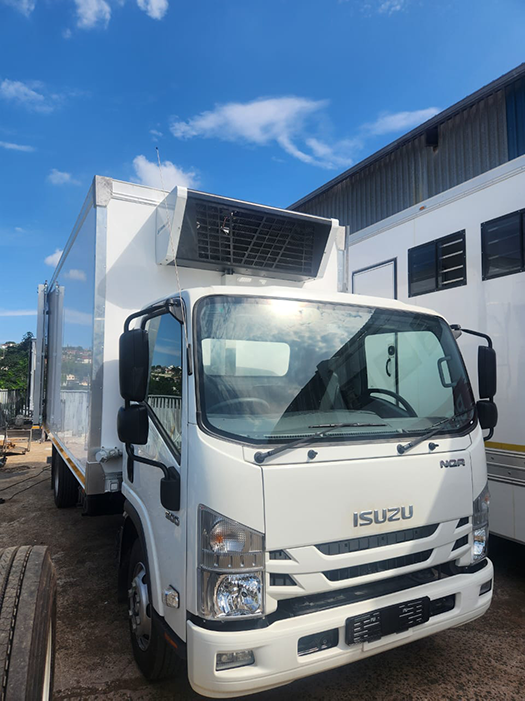
Traditional Pain Points Drive Demand for Green Alternatives
Traditional cold chain transport has long relied on fuel-powered refrigeration units, which present inherent operational challenges such as high energy consumption, exhaust emissions, and noise pollution affecting local communities. Against the backdrop of increasingly stringent environmental regulations—coupled with rising societal expectations for green, low-carbon development—logistics enterprises face an increasingly urgent need for clean, cost-effective refrigeration solutions. Leveraging advantages such as zero operational emissions, significantly reduced noise levels, and optimized energy utilization structures, electric truck refrigeration units are gradually moving into the mainstream spotlight.
Technological Leap: From "Fuel-to-Electric Conversion" to Deep Integration
From a technological evolution standpoint, the current generation of electric refrigeration units represents far more than a simple "fuel-to-electric conversion" of traditional products. Designed around the comprehensive electric truck platform, these refrigeration units are engineered from the outset to integrate deeply with the vehicle's battery system, thermal management architecture, and electronic control units. By incorporating variable-frequency modulation and intelligent temperature control logic, the units can automatically adjust their cooling output based on cargo characteristics, ambient temperature, and the actual thermal load within the cargo compartment, thereby preventing energy waste. Furthermore, there is a distinct trend toward lightweight and compact unit designs, which helps reduce the vehicle's curb weight and frees up additional cargo space.
Expanding Application Scenarios and Continuous Performance Breakthroughs
In terms of application adaptability, the performance boundaries of electric refrigeration units are constantly expanding. For urban distribution scenarios, the low-noise characteristics allow vehicles to operate seamlessly during nighttime hours or in densely populated residential areas, thereby meeting increasingly strict urban noise control regulations for freight vehicles. For the transport of high-value cargo—such as fresh produce and pharmaceuticals—the new generation of units demonstrates significant improvements in both temperature control stability and response speed, enabling them to effectively handle complex operating conditions such as frequent door openings or extreme weather events. Furthermore, driven by advancements in vehicle thermal management technology, the continuous operational capability of cooling units in high-temperature environments—as well as their startup reliability in frigid regions—has been effectively guaranteed, thereby achieving comprehensive coverage across virtually all operational scenarios.
Industry-wide Collaboration: Modularity Takes Center Stage
In terms of industry chain trends, numerous core component suppliers and new energy vehicle manufacturers are accelerating their strategic expansion within this sector. To cater to electric trucks of varying load capacities, product lines for cooling units are becoming increasingly sophisticated, forming a complete product spectrum that spans light-duty, medium-duty, and heavy-duty trucks. The widespread adoption of modular and standardized design concepts has streamlined product manufacturing, installation, and after-sales maintenance, thereby contributing to a reduction in total lifecycle costs. Concurrently, the rapid proliferation of battery-swapping models within the heavy-duty truck sector has opened up new technical possibilities for energy synergy between cooling units and battery-swapping systems; specifically, cooling units can either independently replenish their energy during the battery-swapping process or be managed in tandem with the main power battery, thereby further enhancing operational flexibility.
A Promising Future for Green Transformation
Industry observers note that the market foundation supporting electric truck cooling units is poised to become increasingly robust. This trend is driven by the sustained growth in cold chain demand—fueled by rising consumer expectations—as well as the ongoing implementation of more refined regulations regarding the access and emission standards for fuel-powered freight vehicles across various regions. It is foreseeable that, through the combined forces of technological iteration and industry-wide collaboration, electric cooling units will play a pivotal role in enabling the cold chain logistics sector to achieve a comprehensive "green upgrade"—transforming it from a mere "means of transport" into a fully integrated "energy system." Ultimately, this will make a critical contribution toward establishing a modern urban logistics ecosystem that is low-carbon, highly efficient, and quiet.