
Semi Truck Parking AC: The Rise of Electric APU Solutions in the U.S. Trucking Industry
In recent years, the keyword “semi truck parking AC” has rapidly gained attention across the North American trucking market. Behind this trend lies a major industry shift: from traditional engine-idling cooling to energy-efficient, battery-powered air conditioning systems—commonly known as Electric Auxiliary Power Units (eAPUs). As fuel costs rise, environmental regulations tighten, and driver comfort becomes a priority, parking AC solutions are becoming a standard rather than an option.
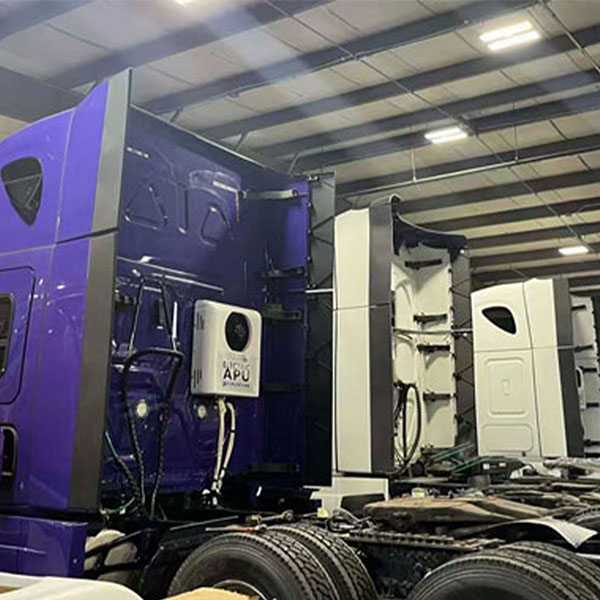
The Problem: Cooling Without Idling
For decades, long-haul truck drivers relied on idling their engines to power cabin air conditioning during rest periods. However, this practice comes with significant drawbacks.
Engine idling consumes approximately 0.5 to 1 gallon of fuel per hour, leading to substantial fuel waste over long rest periods . Additionally, prolonged idling increases engine wear, maintenance costs, and emissions. In response, many U.S. states and local jurisdictions have introduced anti-idling regulations, often limiting idle time to just a few minutes .
This creates a critical challenge: how can drivers maintain a comfortable cabin temperature—especially during hot summer nights—without violating regulations or wasting fuel?
The Solution: Semi Truck Parking AC (Electric APU)
Semi truck parking AC systems, particularly electric APUs, provide a modern solution. These systems function as independent power units that operate without the truck’s main engine.
An electric APU works as a battery-powered mini power plant, supplying energy to air conditioning, lighting, and other onboard systems while the engine is off . While driving, the truck’s alternator charges a dedicated battery bank, which is then used to power the AC system during parking or rest periods.
Unlike traditional systems, parking AC units allow:
Engine-off cooling
Quiet and emission-free operation
Continuous comfort during rest periods
Key Benefits Driving Market Adoption
1. Significant Fuel Savings
Fuel efficiency is one of the biggest drivers behind the adoption of parking AC systems. By eliminating idle time, fleets can save 1,200 to 1,800 gallons of diesel per truck annually, translating to thousands of dollars in cost savings .
For fleet operators managing dozens or hundreds of trucks, the total savings quickly become substantial.
2. Compliance with Anti-Idling Regulations
With increasing environmental policies across the U.S., compliance is no longer optional. Electric APUs enable drivers to maintain cabin comfort without running the engine, helping fleets avoid fines and regulatory issues.
These systems are especially valuable in states and cities with strict idle limits, where traditional cooling methods are no longer viable.
3. Reduced Emissions and Sustainability
Electric parking AC systems produce zero emissions during operation, making them a key component in fleet sustainability strategies .
As logistics companies face growing pressure to reduce carbon footprints, adopting electric APUs aligns with ESG goals and green transportation initiatives.
4. Extended Engine Life and Lower Maintenance
Idling not only wastes fuel but also accelerates engine wear. By reducing idle hours—often by over 1,000 hours annually—parking AC systems help extend engine life and reduce maintenance frequency .
This translates into lower total cost of ownership (TCO) over the lifespan of the truck.
5. Improved Driver Comfort and Retention
Driver comfort is increasingly recognized as a key factor in retention and productivity. Parking AC systems provide consistent cooling during rest periods, ensuring drivers can sleep comfortably regardless of external temperatures.
In an industry facing driver shortages, such improvements can offer a competitive advantage for fleet operators.
Diesel APU vs Electric APU: A Market Shift
Traditionally, diesel APUs were widely used to provide auxiliary power. However, electric APUs are quickly gaining popularity due to their advantages:
No fuel consumption during operation
Lower noise levels
Reduced maintenance complexity
Zero emissions
While diesel APUs still have longer runtime in some cases, electric systems are becoming the preferred choice for fleets prioritizing efficiency and sustainability.