
Electric Truck Refrigeration Systems: The Next Blue Ocean in Cold Chain Logistics
Against the backdrop of global efforts to combat climate change and the energy transition, electric truck refrigeration systems are evolving from an easily overlooked link in the cold chain transportation chain into a cutting-edge area of technological innovation and green transformation.
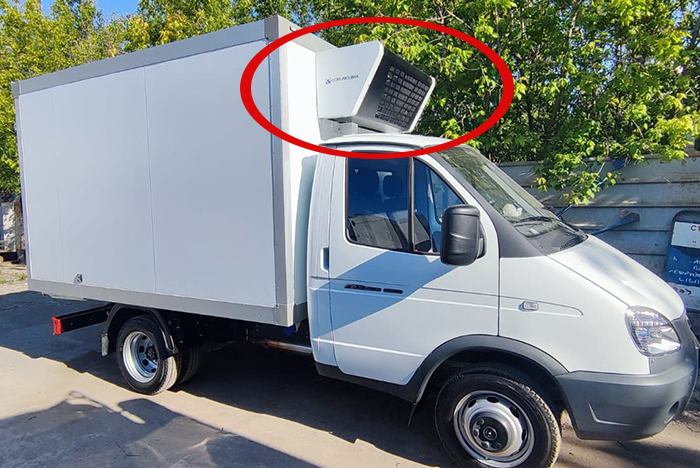
Revolutionary Improvements in Integration and System Efficiency
Traditional truck refrigeration systems are often installed as independent modules, relatively separate from other vehicle systems. With the rise of electric trucks, this model is undergoing a fundamental change. Modern electric truck refrigeration systems are no longer merely "add-on equipment," but rather critical components deeply integrated into the vehicle's overall energy management architecture.
New systems are moving towards integration with power battery thermal management and cabin air conditioning systems. By sharing heat exchange components and optimizing energy flow paths, this integrated design significantly improves overall energy efficiency, reduces system size and weight, and lowers manufacturing costs.
The control logic of refrigeration systems is also undergoing an intelligent transformation. Advanced algorithms can adjust operating strategies in real time based on cargo characteristics, external ambient temperature, and transportation routes, minimizing energy consumption while ensuring cargo safety. Some forward-thinking designs can even predict road gradients and traffic congestion, adjusting system operation in advance.
Diverse Technological Paths and Innovation Directions
In the field of electric truck refrigeration systems, multiple technological routes are developing in parallel. Pure electric drive systems rely entirely on on-board battery power, achieving zero emissions and low-noise operation, making them particularly suitable for urban distribution and short-haul cold chain transportation scenarios. These systems typically employ variable-frequency compressor technology, which can precisely adjust power output according to cooling needs.
Hybrid energy systems provide another solution for long-distance cold chain transportation. These systems combine multiple energy supply methods to ensure stable operation under different working conditions. They usually have intelligent energy management functions, automatically switching energy supply modes based on driving conditions and cargo requirements.
Technological innovation is also reflected in the choice of refrigerants. With increasingly stringent environmental regulations, traditional refrigerants are gradually being replaced by new environmentally friendly refrigerants. These new refrigerants are not only harmless to the ozone layer, but also significantly reduce the greenhouse effect, while also bringing new optimization possibilities for system design.
Multiple Driving Forces for Industry Transformation
The rapid development of electric truck refrigeration systems is driven by multiple factors. Environmental regulations and policy guidance play a key role. An increasing number of cities are restricting high-emission vehicles from entering central areas and incorporating environmental standards for cold chain transportation into the evaluation systems of logistics companies.
Logistics companies' own economic considerations are also a significant driving force. Although the initial investment in electric truck refrigeration systems may be higher, the long-term operating cost advantages are becoming increasingly apparent. These systems have a relatively simple structure, require less maintenance, and electricity costs are generally more stable and controllable than diesel.
End consumers' growing concern for sustainable logistics is also driving industry transformation. Many food retailers and manufacturers are beginning to include the environmental performance of transportation processes in their supply chain evaluation standards, thus compelling logistics service providers to adopt greener technological solutions.
Challenges and Countermeasures in Practical Application
Despite the promising prospects, electric truck refrigeration systems still face numerous challenges in widespread application. Range and energy management are among the most prominent issues. The refrigeration system itself is a major energy consumer, and in electric trucks, it needs to compete with the drive system for limited battery capacity.
The adaptability of charging infrastructure also needs urgent improvement. Many cold chain logistics centers are not yet equipped with high-power charging facilities suitable for electric truck refrigeration systems, requiring vehicles to spend extra time replenishing the energy needed for the refrigeration system.
The lack of industry standards and testing methods also hinders technological innovation and market promotion. Different manufacturers use significantly different technical parameters and performance evaluation methods, making it difficult for users to directly compare the advantages and disadvantages of different products and increasing the difficulty of system integration.
Future Trends: The Intersection of Intelligence and Sustainability
Looking ahead, electric truck refrigeration systems will develop towards greater intelligence and sustainability. The in-depth application of Internet of Things technology will make refrigeration systems important nodes in the cold chain logistics data network. Real-time monitoring, early warning analysis, and remote diagnostic functions will become standard features, greatly improving transportation reliability and cargo safety.
The diversification and integration of energy systems is also a clear trend. By organically combining various technologies such as solar-assisted power generation, regenerative braking, and smart grid interaction, future refrigeration systems will reduce reliance on a single energy source and maintain stable operation in complex transportation environments.
Advances in materials science and heat exchange technology may bring about fundamental innovations. More efficient insulation materials, more compact heat exchanger designs, and entirely new cooling principles could potentially change the form and performance of electric truck refrigeration systems in the future.