
Electric Van Refrigeration Revolution: Silent Guardians of Temperature on the Move
As the city's morning light hasn't fully spread, batches of electric vans have already quietly hit the road. Unlike the roar of traditional diesel refrigerated trucks, they move almost silently between buildings, yet a precise temperature control system is at work inside the cargo compartment. This marks a fundamental transformation in cold chain logistics – electrification and intelligence are redefining the way and meaning of freight refrigeration.
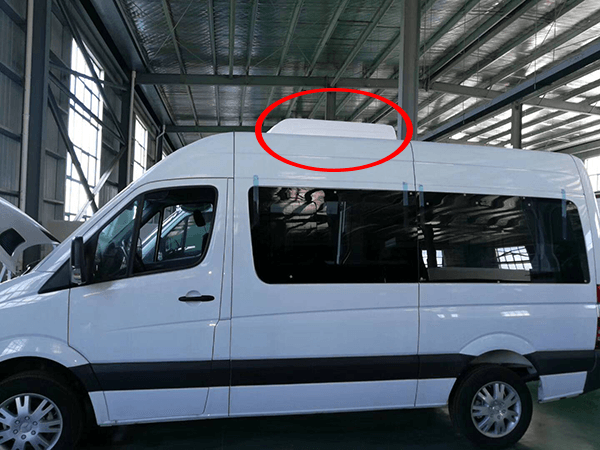
Technological Innovation
The refrigeration technology in electric vans has broken free from the constraints of traditional auxiliary engines, instead integrating deeply with the vehicle's main power system. This integration is not simply a matter of replacing power sources, but has given rise to a completely new refrigeration system architecture. DC direct-drive technology has become the mainstream choice, reducing energy conversion losses and significantly improving refrigeration efficiency.
Intelligence is a core feature of the new generation of refrigeration systems. By integrating various sensors and adaptive algorithms, the system can sense changes in the internal and external environment in real time and predictively adjust its operating status. This intelligent temperature control not only ensures the optimal storage temperature for goods but also optimizes energy consumption based on delivery routes, traffic conditions, and loading and unloading schedules.
Modular and lightweight design is changing the form of refrigeration equipment. Traditional large and bulky units are being broken down into more compact integrated modules, saving valuable loading space and reducing the overall weight of the vehicle. This design approach allows electric vans to achieve a better balance between refrigeration performance and driving range with limited battery capacity.
Shifting Market Demands
Changes in urban delivery models have created new refrigeration needs. With the rise of new retail formats such as instant delivery and community group buying, cold chain logistics is moving towards fragmentation, high frequency, and small batches. Electric vans, with their flexibility, environmental friendliness, and low operating costs, have become the ideal vehicle to adapt to this trend.
Increasingly stringent environmental regulations are accelerating industry transformation. More and more cities are restricting high-emission vehicles from entering core areas, while electric vans gain access advantages due to their zero-emission characteristics. This policy direction not only encourages logistics companies to replace their vehicles but also prompts refrigeration equipment manufacturers to accelerate the deployment of electrified products.
The diversification of goods types places higher demands on refrigeration systems. From traditional fresh food to pharmaceuticals, high-end electronics, and even artwork transportation, different goods have varying requirements for temperature, humidity, and stability. The new generation of electric refrigeration systems meets these diverse needs through adjustable temperature ranges and precise control capabilities.
Expanding Application Scenarios
Electric van refrigeration systems are breaking the boundaries of traditional cold chain logistics. In urban fresh food delivery, they not only handle transportation from distribution centers to retail points but also participate directly in "last-mile" delivery, bringing fresh products directly to consumers. This door-to-door service model places higher demands on the stability and reliability of the refrigeration system.
In the medical logistics field, electric refrigeration systems, with their precise temperature control and real-time monitoring capabilities, are becoming crucial for the transportation of vaccines, blood products, and biological preparations. The system ensures that sensitive medical products remain within a strict temperature range throughout the entire transportation process and provides complete cold chain traceability through digital records.
Mobile retail and emergency services are also emerging application scenarios for electric refrigeration systems. Electric vans equipped with refrigeration equipment can serve as mobile stores, temporary medical points, or emergency supply distribution centers, quickly deploying to needed locations. This flexibility allows cold chain services to extend to areas not covered by traditional fixed facilities.
Real-World Challenges
The complexity of technology integration remains a significant challenge for the industry. The refrigeration system of electric vans needs to be highly integrated with the vehicle's power management, thermal management, and energy recovery systems, posing challenges to system integration capabilities. Optimizing the layout within the limited vehicle space and balancing refrigeration performance with driving range requires cross-disciplinary technical collaboration.
The matching of charging infrastructure and operational rhythm needs to be addressed urgently. Cold chain logistics typically have strict time windows, while charging times for commercial electric vehicles are still relatively long. Planning delivery routes and charging schedules to ensure vehicles maintain sufficient power when needed without delaying delivery times is a practical operational challenge.
The balance between initial investment and long-term benefits affects the speed of adoption. Although electric refrigeration systems offer cost advantages during the operational phase, the higher initial investment still makes many small and medium-sized enterprises hesitant. The industry needs to explore new business models and service systems to lower the barrier to entry for users and accelerate technology adoption.
Future Development Directions
System intelligence will continue to deepen. Future electric refrigeration systems will be more than just temperature control devices; they will be intelligent terminals integrating cargo identification, quality monitoring, and route optimization. Through artificial intelligence and big data analysis, the system will be able to learn the optimal preservation conditions for different goods and dynamically adjust strategies based on actual transportation conditions.
The diversified integration of energy systems is highly anticipated. In addition to main battery power, diversified energy sources such as solar auxiliary systems and hydrogen fuel cell range extenders may be integrated into the refrigeration systems of electric vans. This hybrid energy architecture will improve the system's adaptability and reliability under complex operating conditions.
Innovation in service models will expand industry boundaries. With the development of the Internet of Things and cloud computing technologies, refrigeration systems may transform from single devices into gateways for temperature management services. Manufacturers and service providers can provide users with comprehensive cold chain solutions through remote monitoring, predictive maintenance, and on-demand deployment, rather than simply selling equipment.