
DC Air Conditioner for Electric Van: A New Era of Mobile Cooling Solutions
As the global transition toward electric mobility accelerates, the demand for efficient thermal management systems in electric vans is rising rapidly. Among these innovations, the DC air conditioner for electric van has emerged as a critical solution, enabling reliable cooling without relying on traditional engine-driven systems. Designed specifically for electric vehicles (EVs) and battery-powered fleets, DC air conditioning systems are reshaping industries such as logistics, healthcare, and passenger transport.
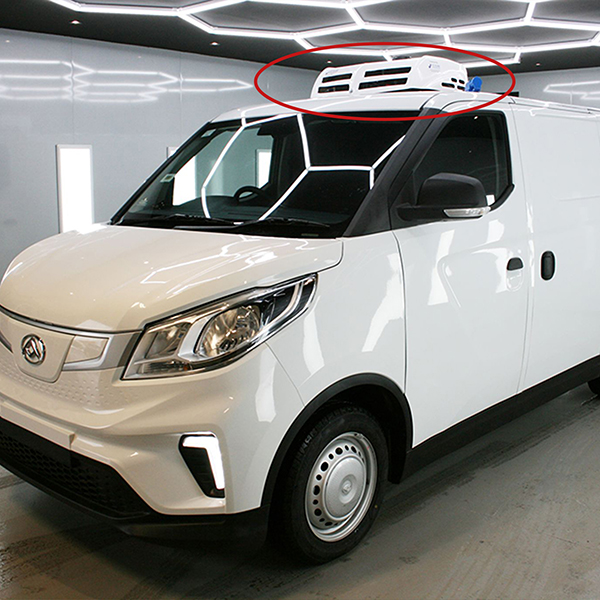
Fully Electric Cooling Without Engine Dependency
Unlike conventional air conditioners that rely on engine compressors, DC air conditioners operate entirely on battery power. Systems like those developed by Corunclima are engineered to function independently of the engine, allowing continuous cooling even when the vehicle is parked or the engine is turned off.
According to product data, these systems typically support 12V, 24V, and high-voltage EV platforms, making them compatible with a wide range of electric vans and commercial vehicles.
This capability is particularly valuable in real-world scenarios such as:
Last-mile delivery operations with frequent stops
Ambulance services requiring uninterrupted cabin cooling
Passenger vans needing consistent comfort during idle periods
High Cooling Capacity for Diverse Applications
Modern DC air conditioners are no longer limited in performance. Advanced models offer cooling capacities ranging from 3.8 kW to over 10 kW, suitable for different vehicle sizes and operational demands.
For example:
Compact systems like the T35B provide around 3.8 kW cooling, ideal for small vans and ambulances.
Mid-range units such as the AC60TB deliver approximately 5.8 kW, balancing efficiency and performance.
High-capacity models like the AC100TB reach 9.2 kW, designed for larger vans and heavy-duty cooling needs.
This scalability allows fleet operators to select tailored solutions based on cargo volume, insulation level, and climate conditions.
Energy Efficiency and Cost Savings
One of the most compelling advantages of DC air conditioners is their ability to reduce operating costs. Because they eliminate the need for engine idling, businesses can significantly cut fuel consumption and extend vehicle lifespan.
Key efficiency benefits include:
Zero idling fuel consumption
Reduced mechanical wear due to fewer moving parts
Optimized battery usage with intelligent power management
Additionally, many systems integrate automatic battery protection, ensuring that the vehicle retains enough power for operation even during extended cooling periods.
Quiet Operation for Specialized Use Cases
Noise reduction is another major advantage. DC air conditioners are designed for ultra-quiet operation, making them suitable for environments where silence is essential.
Typical use cases include:
Medical transport, where patient comfort is critical
Overnight parking for drivers needing rest
Urban delivery in noise-sensitive areas
Because these systems do not rely on engine vibration, they provide a significantly more stable and comfortable environment.
Environmental Benefits and Sustainability
DC air conditioning systems align closely with sustainability goals. By operating without engine power, they contribute to:
Zero direct CO₂ emissions during operation
Reduced urban air pollution
Lower overall carbon footprint for fleet operations
This makes them an ideal solution for companies transitioning toward greener logistics and compliance with stricter environmental regulations.
Flexible Installation and Smart Design
Modern DC air conditioners are typically available in roof-mounted monoblock designs, simplifying installation and minimizing vehicle modifications. Their compact structure helps maintain the integrity of the vehicle body while maximizing interior space.
Optional configurations may include:
Lithium battery integration
Electric heaters for all-season use
External charging compatibility (110V/220V)
These flexible features make DC air conditioners adaptable to a wide range of commercial and specialized vehicle applications.
Expanding Role in Commercial Industries
The adoption of DC air conditioners for electric vans is accelerating across multiple sectors:
Cold chain logistics: Supporting temperature-sensitive deliveries
Pharmaceutical transport: Ensuring stable environments for medical goods
E-commerce fleets: Improving driver comfort and efficiency
Emergency services: Enhancing reliability in critical situations
As electric vans become more prevalent, the need for integrated, energy-efficient climate control will only grow.