
Cold Chain Logistics Undergoes a New Transformation: Dedicated Refrigeration Units for Electric Vans Become a New Engine for Green Transportation
Technological Turning Point: From "Oil-to-Electric" to "Pure Electric Dedicated"
As urban logistics accelerates its entry into the new energy vehicle arena, a long-neglected technological sub-sector is quietly gaining momentum. Recently, several domestic refrigeration equipment companies have released dedicated refrigeration unit solutions for electric vans, marking a profound transformation in the cold chain transportation equipment market from "oil-electric co-operation" to "pure electric dedicated."
In the era of traditional fuel-powered trucks, refrigeration units in refrigerated trucks typically relied on the vehicle's engine or an independent diesel engine for power. While the technology was mature, energy consumption and emissions were significant issues. However, with the chassis power shifting from fuel engines to battery packs, simply using the old refrigeration logic can no longer meet the operational needs of new energy commercial vehicles. Industry experts point out that the development challenge of dedicated refrigeration units for electric vans lies not only in "refrigeration efficiency" but also in achieving a delicate balance with limited onboard electrical power.
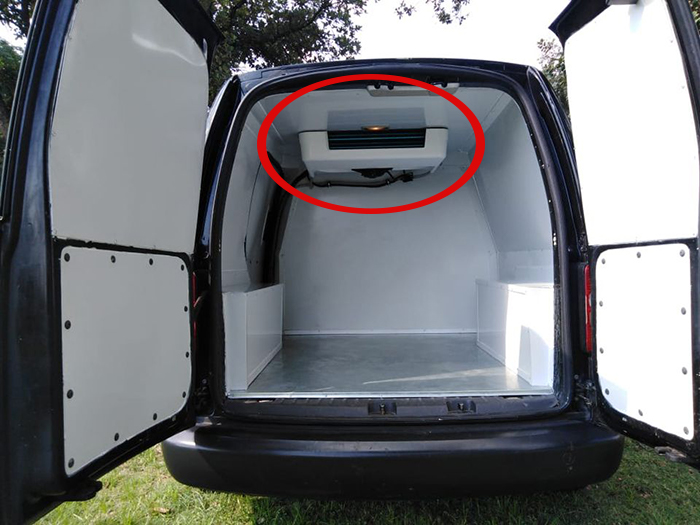
Energy Efficiency Revolution: Every Kilowatt-Hour Serves Goods
Unlike the expedient measure of simply "transplanting" the refrigeration unit from a gasoline vehicle to an electric chassis, the new generation of dedicated pure electric refrigeration units has completely abandoned engine dependence from the outset. It is understood that the current mainstream technology generally adopts high-efficiency electric compressors and full DC inverter systems, enabling deep interaction between the refrigeration system and the vehicle's battery management system through intelligent energy consumption management algorithms. During delivery stops, the unit can independently maintain the set temperature inside the compartment using low battery energy consumption; during driving, it can dynamically adjust its output power based on the remaining driving range.
Industry observers believe that this technological shift is not simply a replacement of the power source, but a reshaping of the underlying logic of the entire cold chain logistics. In the past, refrigeration equipment manufacturers focused more on cooling speed and durability. Now, driven by "range anxiety," lightweight design, low power consumption, and precise temperature control have become the core benchmarks for measuring product competitiveness. One R&D engineer described it as like tailoring a "high-efficiency down jacket" for electric vehicles—it must be warm without adding burden to the body.
Scenario Adaptation: A "Silent Revolution" in Urban Delivery
From an application perspective, the "last few kilometers" of urban delivery are becoming a stage for electric refrigerated trucks to shine. With the explosive growth of community fresh food e-commerce, central kitchen delivery, and pharmaceutical cold chain instant delivery, transportation tasks are characterized by short one-way distances, high frequency of stops, and stringent requirements for quiet and environmentally friendly operations. The roaring noise of traditional fuel-powered refrigeration units operating at night in residential areas often leads to complaints, while electric dedicated refrigeration units, with their inherent advantage of low-noise operation, not only mitigate the NIMBY (Not In My Backyard) effect but also make off-peak delivery at night possible.
Manufacturing Upgrade: From Aftermarket to Standard Pre-installation
Meanwhile, the collaboration model between the vehicle manufacturing and refrigeration equipment stages is also undergoing subtle changes. In the past, chassis manufacturers and refrigeration unit manufacturers were relatively independent, and the aftermarket involved a significant amount of adaptation and debugging work. Now, facing the trend of highly integrated electric platforms, some leading companies have begun to promote the concept of "factory pre-installation" or "integrated design," integrating the refrigeration system as part of the overall vehicle thermal management. The widespread adoption of this pre-installed model is expected to significantly reduce post-installation costs and improve overall vehicle reliability and energy efficiency.
Future Outlook: The Race for the Best Electric Vehicle
It is foreseeable that with the continuous optimization of core component costs and the increasing sophistication of charging infrastructure, electric refrigerated trucks will shift from a policy-driven to a market-driven phase. For the industry chain, whoever can first overcome the contradiction between long range and deep-freezing will gain a competitive advantage in the future cold chain equipment market. This technological race centered around one kilowatt-hour is redefining the urban fresh food supply chain.