
Electric Van Freezer Units Poised to Transform Sustainable Cold Logistics
As electric commercial vehicles surge in popularity worldwide, electric van freezer units are rapidly becoming a vital technology for eco-friendly cold chain transport. These advanced refrigeration systems allow perishable goods to be transported at deep-freeze temperatures without reliance on diesel engines or auxiliary power units, aligning with stricter emissions regulations and rising demand for green logistics solutions.
Leading the charge is Corunclima’s range of fully electric freezer solutions engineered specifically for vans and compact commercial vehicles. Designed to integrate seamlessly with both full-electric vans and traditional engine vans, these units provide deep-freeze performance while minimizing energy consumption, maintenance costs, and overall environmental impact.
Corunclima’s V150TB and V350TB models are flagship electric van freezer units capable of maintaining temperatures as low as -20 °C, ideal for transporting frozen foods, ice cream, pharmaceuticals, and other temperature-sensitive cargo that require sub-zero conditions. The units operate entirely on 100% DC electric power, drawing from a vehicle’s battery or integrated lithium-ion power packs, eliminating the need for engine idling and traditional fossil fuel usage.
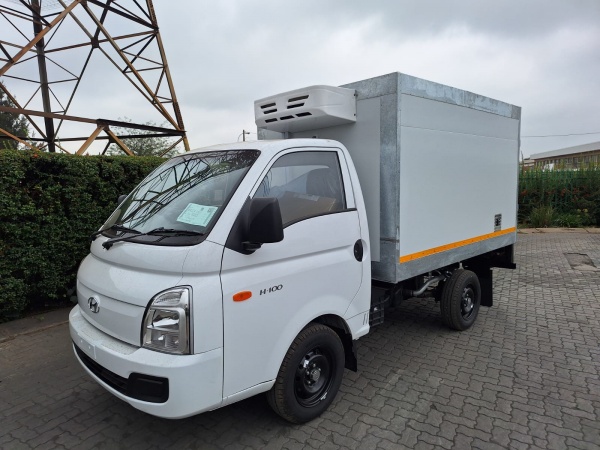
One of the key advantages of electric van freezer units is their emission-free operation, making them particularly valuable in urban delivery scenarios where clean-air zones and low-emission requirements are enforced. With quieter performance than conventional diesel-powered refrigeration systems, they also enable nighttime deliveries without disturbing local communities.
The modular and compact design of Corunclima’s electric freezer units makes them suitable for a wide variety of van platforms, including fully electric models such as the Maxus e-Deliver 9 (EV90), e-Deliver 3, e-Sprinter, e-NV200, BYD T3, and Kangoo Z.E. They are also compatible with conventional vans when paired with auxiliary battery systems, giving fleets flexibility across different deployment scenarios.
Beyond cold chain food logistics, electric van freezer units are increasingly critical in sectors such as pharmaceutical and vaccine distribution, where precise temperature control is essential for product efficacy. Maintaining a stable deep-freeze environment throughout transit ensures compliance with strict regulatory standards and reduces spoilage risks.
From an economic standpoint, fleets adopting electric van freezer units can benefit from lower operational costs through reduced fuel consumption, less engine wear, and simpler maintenance regimes compared with diesel-dependent alternatives. This shift supports broader sustainability goals while improving bottom-line performance for logistics providers.
Industry analysts predict accelerated adoption of electric refrigeration systems in last-mile delivery, with global markets for EV refrigerated transport expected to grow strongly as e-commerce and cold supply chains expand. With regulators tightening emissions standards and shippers prioritizing sustainability, electric van freezer units are poised to play a central role in the modern logistics landscape.
As technology continues to advance — including improvements in battery efficiency, thermal management, and digital temperature monitoring — electric van freezer units will become even more powerful, efficient, and accessible. These innovations promise to redefine how cold goods are moved, helping businesses of all sizes achieve greener and more reliable refrigerated transport solutions.