
Truck Refrigeration Freezer Systems: Advancing Cold Chain Efficiency in Modern Logistics
As global demand for temperature-sensitive transportation continues to rise, the truck refrigeration freezer has become an indispensable component of modern cold chain logistics. From frozen food and pharmaceuticals to high-value biological products, maintaining precise temperature control during transit is critical to ensuring product quality, safety, and regulatory compliance.
In this evolving landscape, engine-driven truck refrigeration freezer units are gaining renewed attention for their reliability, efficiency, and adaptability across a wide range of transport scenarios.
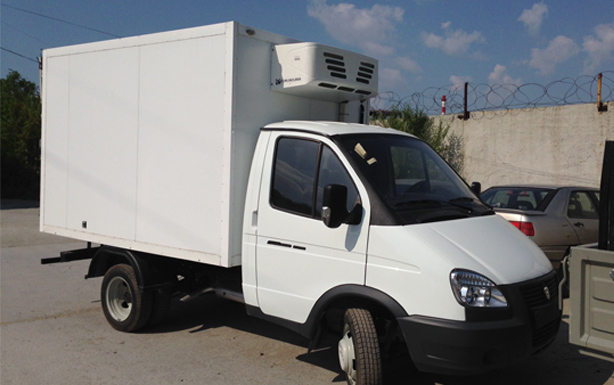
Reliable Freezing Performance for Long-Distance Transport
Truck refrigeration freezer units are specifically engineered to maintain stable sub-zero temperatures, typically reaching as low as -18°C to -20°C, ensuring that frozen goods remain intact throughout long-haul journeys.
These systems are widely used in refrigerated trucks and trailers across global logistics networks, where consistent cooling performance is essential regardless of external environmental conditions. Whether transporting frozen meat, seafood, or ice cream, the ability to maintain precise temperature control directly impacts product integrity and customer satisfaction.
Modern units, such as those developed by Corunclima, are designed with robust cooling capacity and durable components, enabling stable operation even in high ambient temperatures up to 45°C.
Engine-Driven Technology: A Proven Industry Standard
Unlike fully electric refrigeration systems, engine-driven freezer units are powered directly by the vehicle’s engine, offering a cost-effective and reliable solution for many fleet operators. This traditional yet refined technology continues to dominate in scenarios where:
Long-distance transport requires continuous cooling
Infrastructure for electric charging is limited
Cost sensitivity is a key consideration
Engine-driven systems deliver strong cooling output with lower upfront investment, making them particularly attractive for small and medium-sized fleet operators. Additionally, they provide consistent performance without relying on auxiliary power systems, ensuring uninterrupted operation during transit.
Wide Capacity Range for Diverse Applications
One of the defining advantages of modern truck refrigeration freezer systems is their scalability. Manufacturers now offer solutions tailored to a wide range of cargo volumes:
Small trucks (10–11 m³): Compact units like the V380F provide reliable freezing for urban delivery vehicles.
Medium trucks (12–20 m³): Models such as the V450F and V650F balance cooling capacity and efficiency for regional distribution.
Large trucks (22–60 m³): High-capacity systems like the V1100F support heavy-duty logistics operations with powerful cooling output.
This modular approach allows logistics providers to match refrigeration capacity precisely to their operational needs, optimizing both energy use and cost efficiency.
Energy Efficiency and Cost Optimization
Fuel efficiency remains a critical factor in fleet operations. Modern engine-driven freezer units are designed to deliver greater fuel savings and lower maintenance costs compared to traditional diesel-powered standalone refrigeration systems.
Key efficiency features include:
Optimized compressor performance for reduced fuel consumption
Lightweight and aerodynamic designs to minimize vehicle load
Digital control systems for precise temperature management
These innovations contribute to a lower total cost of ownership (TCO), making advanced refrigeration systems accessible to a broader range of operators.
Advanced Features for Operational Reliability
To meet the demands of real-world logistics, truck refrigeration freezer systems incorporate a range of advanced features:
Hot gas defrost technology, ensuring efficient frost removal and continuous airflow
Digital in-cabin controllers, allowing drivers to monitor and adjust temperature easily
Optional standby systems, enabling operation when the vehicle is stationary without excessive fuel consumption
These features enhance system reliability while simplifying operation, ensuring that temperature-sensitive cargo remains protected at all times.
Supporting the Global Cold Chain Ecosystem
The role of truck refrigeration freezers extends far beyond transportation—they are a cornerstone of the global cold chain ecosystem. As consumer demand for fresh and frozen products grows, and as pharmaceutical logistics become increasingly complex, the need for dependable refrigeration technology continues to expand.
In emerging markets, where infrastructure challenges persist, engine-driven systems provide a practical and scalable solution, enabling businesses to maintain cold chain integrity without heavy investment in new energy systems.
Future Outlook: Toward Hybrid and Intelligent Refrigeration
While engine-driven freezer units remain dominant, the industry is gradually evolving toward hybrid and electric refrigeration solutions. Future systems are expected to integrate:
Electric standby capabilities
Smart monitoring and IoT-based diagnostics
Improved energy management systems
These advancements will further enhance efficiency, sustainability, and operational transparency in cold chain logistics.