
Transport Refrigeration Unit for Van: Driving Efficiency in Cold Chain Logistics
In today’s fast-moving cold chain industry, the keyword “transport refrigeration unit for van” reflects a rapidly growing demand for compact, efficient, and reliable cooling solutions. As urban delivery networks expand—especially for food, pharmaceuticals, and fresh goods—refrigerated vans equipped with advanced transport refrigeration units (TRUs) are becoming essential assets for modern logistics operations.
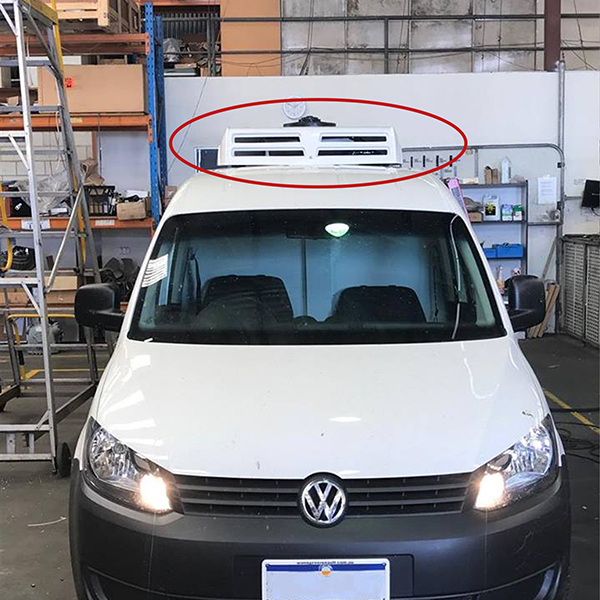
What Is a Transport Refrigeration Unit for Van?
A transport refrigeration unit (TRU) is a specialized system designed to maintain a controlled temperature environment inside a vehicle during transit. These units ensure that temperature-sensitive cargo remains stable regardless of external weather conditions or delivery duration. Transport Refrigeration Unit systems are widely used in vans, trucks, and trailers to preserve product quality across the supply chain.
For vans specifically, refrigeration units are engineered to be compact, lightweight, and energy-efficient, making them ideal for last-mile delivery and urban distribution.
How Van Refrigeration Units Work
Van refrigeration systems operate based on a vapor compression cycle, consisting of a compressor, condenser, expansion device, and evaporator. These components work together to remove heat from the cargo area and maintain the desired temperature.
Depending on the power source, van units are typically divided into:
Engine-driven systems – powered directly by the vehicle engine
Battery/DC-powered systems – using electric compressors for independent operation
Hybrid or diesel-driven systems – combining flexibility and high cooling capacity
This flexibility allows businesses to choose the most suitable configuration based on delivery routes and operational needs.
Key Benefits of Transport Refrigeration Units for Vans
1. Reliable Temperature Control
Van refrigeration units maintain precise temperature ranges, ensuring safe transport of perishable goods such as fresh food, dairy, pharmaceuticals, and flowers.
2. Extended Product Shelf Life
By slowing bacterial growth and preventing spoilage, these systems help extend the shelf life of goods and reduce waste during transportation.
3. Flexibility for Urban Logistics
Refrigerated vans are ideal for small loads and frequent stops, making them perfect for city distribution, e-commerce grocery delivery, and catering services.
4. Energy Efficiency and Cost Savings
Modern electric refrigeration units reduce fuel consumption and enable idle-free operation, lowering operating costs and minimizing engine wear.
5. Compliance with Food and Safety Standards
Maintaining consistent temperatures ensures compliance with strict health regulations, especially in food and pharmaceutical logistics.
Applications Across Industries
Transport refrigeration units for vans are widely used in multiple sectors:
Food & Beverage: Fresh produce, frozen foods, dairy products
Pharmaceuticals: Vaccines, medicines, and temperature-sensitive healthcare products
Floral Industry: Flowers requiring stable cooling during delivery
Retail & E-commerce: Last-mile cold delivery services
These applications highlight the critical role refrigerated vans play in maintaining product integrity from origin to destination.