
The Rapid Rise of Electric Truck Air Conditioning: Ushering in a New Era of Parking Comfort and Green Efficiency
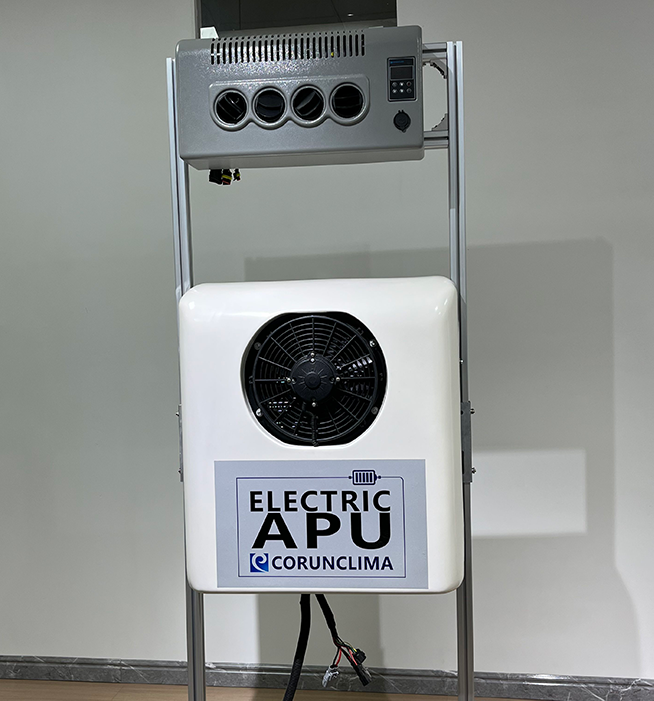
Bid Farewell to Idling Roar; Embrace Moments of Quiet Comfort
In long-haul road transport, truck drivers have long faced a persistent dilemma: during summer stops or overnight rest periods, activating the air conditioning required keeping the diesel engine idling for extended periods. This practice not only consumes vast amounts of fuel and generates noise and exhaust fumes but also accelerates engine wear. In recent years, driven by upgrades to onboard electrical systems and the spillover of new energy technologies, electric air conditioning for trucks is rapidly transitioning from an optional extra to a mainstream standard—emerging as a pivotal solution for improving drivers' working environments while simultaneously reducing operating costs and carbon emissions.
Worry-Free Parking: From "Too Costly to Run" to "Run It Whenever You Please"
The core advantage of electric truck air conditioning lies in its independence from the engine. Powered by a dedicated electric compressor and an onboard battery pack, it provides cooling and ventilation without the need to start the diesel engine. For long-haul drivers who frequently need to stop and rest at service areas or freight depots, this means they can completely shut down the engine and sleep soundly in a quiet, exhaust-free cab. In the past, many drivers—reluctant to bear the cost of fuel consumption and engine wear—would rather lay out a makeshift bed in a service area lobby during the sweltering summer months than run the air conditioning overnight; today, electric air conditioning has made "parking freedom" a reality.
Concurrently, the daily energy consumption burden on trucking fleets has been significantly alleviated. Electric air conditioning draws power from the battery pack, which can be automatically recharged while the vehicle is in motion or topped up via an external power source during loading and unloading operations. Beyond eliminating anxiety over fuel consumption, electric air conditioning also drastically reduces noise pollution—ensuring that trucks parked overnight in service areas near residential zones no longer trigger complaints due to the roar of an idling engine.
Technological Maturity: From Popular Aftermarket Mods to Factory-Standard Equipment
In the past, the adoption of electric truck air conditioning was slow, primarily hindered by factors such as limited battery capacity, low compressor efficiency, and inconsistent reliability. However, over the last two years—thanks to rapid advancements in full DC inverter technology, high-energy-density batteries, and intelligent electronic control systems—the new generation of electric truck air conditioning units has successfully achieved a harmonious balance between powerful cooling performance and extended operating endurance. Variable-frequency compressors can adjust their rotational speed in real-time based on the temperature difference between the cabin interior and the outside environment, thereby eliminating unnecessary power consumption. Furthermore, an intelligent temperature control system keeps temperature fluctuations within an extremely narrow range, ensuring a more comfortable physical sensation for the occupant.
On the supply side, both mainstream commercial vehicle OEMs and specialized component manufacturers have significantly increased their R&D investment in electric air conditioning systems. An increasing number of new heavy-duty truck models now feature pre-reserved interfaces for electric air conditioning during the original design phase. Some manufacturers have even introduced factory-integrated solutions that seamlessly package the battery, controller, and compressor into a single unit—a design that is both aesthetically pleasing and highly reliable. The aftermarket retrofit sector is equally thriving; installation procedures are becoming increasingly standardized, compatibility now extends to the vast majority of mainstream models on the market, and installation times have been drastically reduced.
Policy-Driven: Idle Restrictions Become the Norm
Driven jointly by environmental protection pressures and regulations aimed at energy conservation and emission reduction, restricting prolonged truck idling has become a standard administrative measure in many regions. Numerous cities across the country, as well as key logistics corridors, have explicitly designated "no-idling zones," enforcing these restrictions through electronic surveillance or on-site inspections. Electric air conditioning offers truck drivers a fully compliant solution, helping them effectively avoid the risk of fines while making a tangible contribution to noise reduction and carbon emission cuts within urban areas.
Of particular note is the fact that some large-scale logistics enterprises have begun to incorporate electric air conditioning into their core initiatives for driver welfare. Against the backdrop of driver shortages and high personnel turnover rates, providing a quiet, comfortable resting space—warm in winter and cool in summer—has emerged as a subtle yet powerful competitive advantage for companies seeking to retain experienced drivers and ensure the safe operation of their fleets.
A Promising Future: From Enhanced Comfort to Intelligent Cabins
As the "Dual Carbon" strategy continues to advance and as pure-electric and hybrid commercial vehicles take to the roads in increasing numbers, the installation rate of electric air conditioning in trucks is set to continue its upward trajectory. Looking ahead, the electric air conditioning unit will no longer function merely as a standalone component; instead, it will be seamlessly integrated into the vehicle's intelligent cabin system. By interconnecting with windows, sunshades, air purification systems, and even sleep monitoring sensors, it will enable a comprehensive "one-touch rest mode." The truck cabin is currently undergoing a transformation—evolving from a purely functional workspace into a living space that harmoniously blends comfort, energy efficiency, and intelligence. Electric air conditioning stands as an indispensable element in this ongoing metamorphosis.